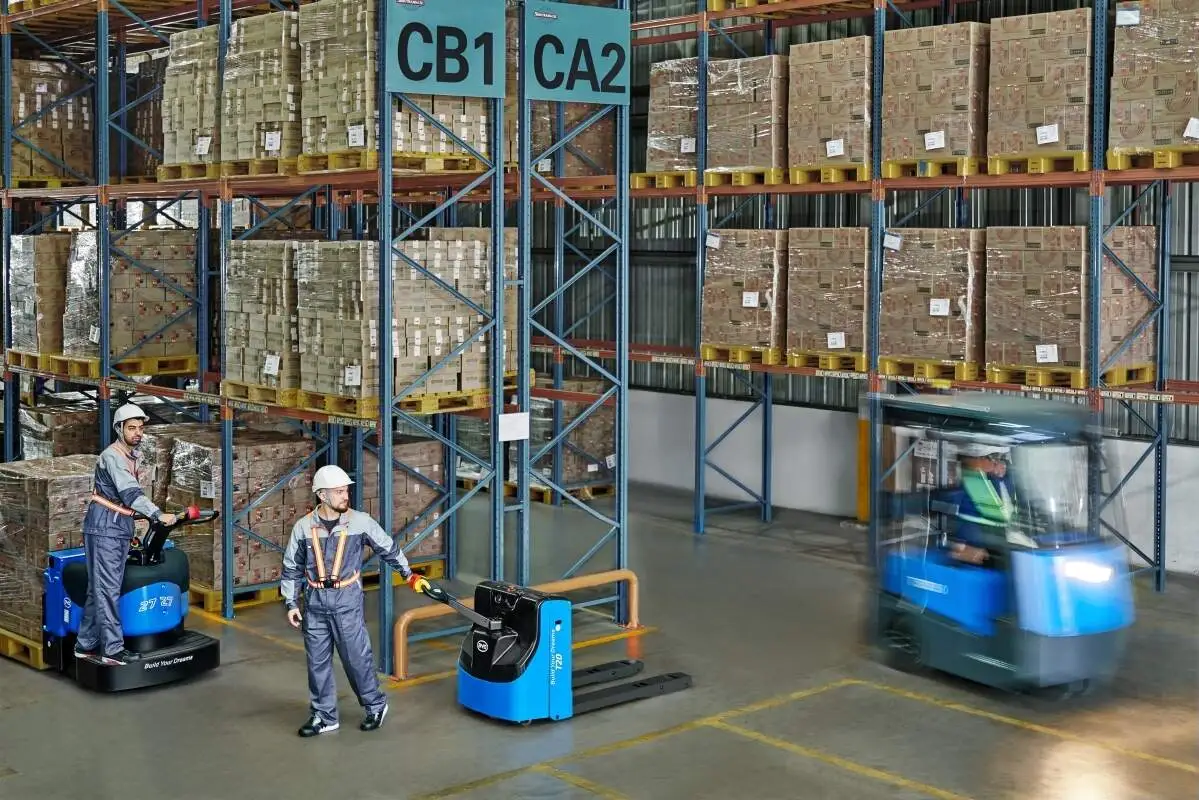
forklift attachments play a critical role in expanding the functionality of industrial forklifts, enabling them to handle specialized loads, improve operational efficiency, and adapt to diverse workplace tasks. However, the integration of uncertified or non-compliant attachments poses significant safety risks, including structural failure, load instability, and increased likelihood of workplace accidents. For this reason, adhering to established safety standards for forklift attachment certification is non-negotiable for businesses operating in industrial, warehousing, and logistics sectors.
At the core of forklift attachment certification are stringent safety standards designed to verify the attachment’s ability to perform reliably under intended operating conditions. Key standards include load capacity validation, which requires rigorous testing to ensure the attachment can safely handle its rated maximum load without deformation or failure. Structural integrity testing is another critical component, assessing welds, materials, and overall construction to withstand repeated use and dynamic stresses. Additionally, compatibility standards ensure that the attachment integrates seamlessly with the host forklift, maintaining proper weight distribution, visibility, and control for the operator.
The certification process typically involves third-party testing and evaluation by accredited organizations, which assess the attachment against recognized industry standards. This includes reviewing design documentation, conducting physical tests, and verifying compliance with regional regulations such as OSHA (Occupational Safety and Health Administration) guidelines in the United States or ISO (International Organization for Standardization) standards globally. Once certified, attachments must display clear labeling indicating their load capacity, intended use, and certification status, providing operators and employers with essential safety information.
Beyond initial certification, ongoing compliance requires regular inspections and maintenance of forklift attachments. Employers must establish routine inspection schedules to check for wear, damage, or modifications that could compromise safety. Any alterations to a certified attachment may require re-certification to ensure continued compliance with safety standards. Training operators on the proper use of certified attachments is also a key part of maintaining a safe work environment, ensuring that personnel understand load limits, operational procedures, and emergency protocols.
In conclusion, forklift attachment certification is a fundamental aspect of workplace safety in industrial operations. By adhering to established safety standards, businesses can minimize the risk of accidents, protect personnel and assets, and ensure compliance with regulatory requirements. Investing in certified attachments and implementing robust maintenance and training programs not only enhances operational efficiency but also demonstrates a commitment to creating a safe and responsible work environment for all employees.