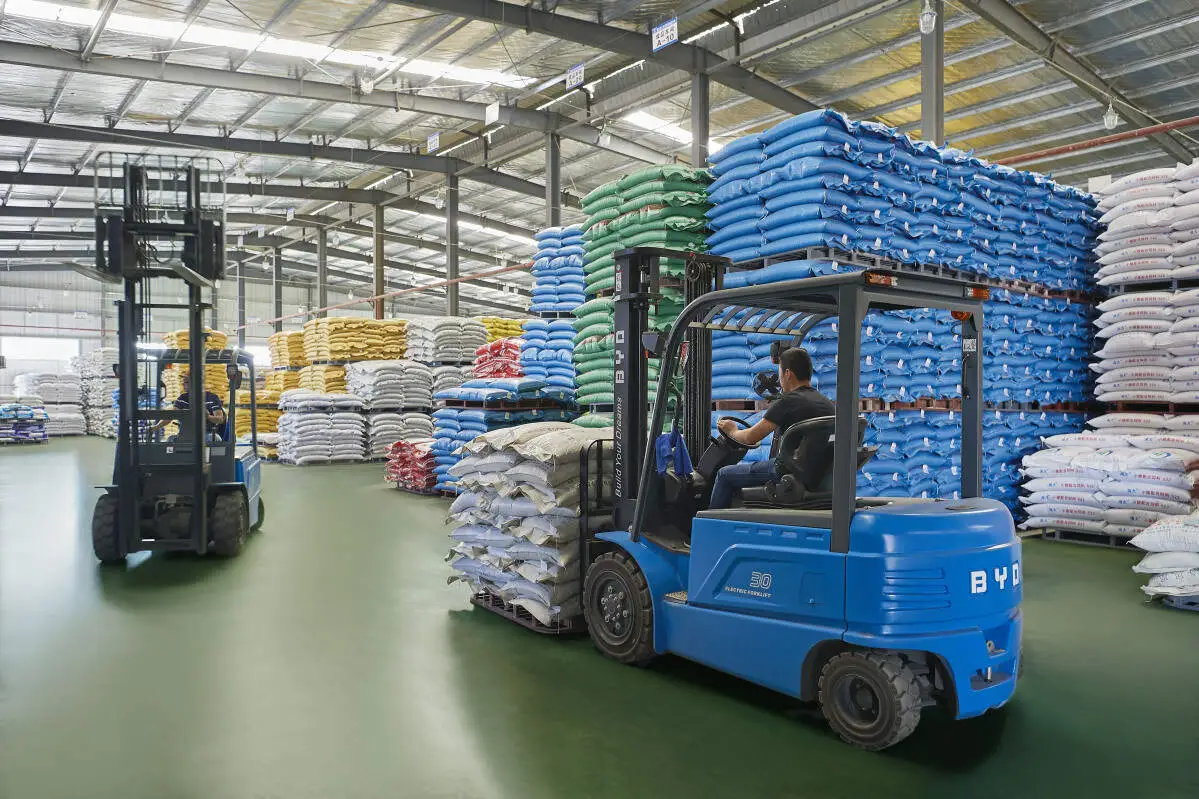
Effective warehouse space planning is a cornerstone of streamlined operations, directly impacting inventory turnover, labor productivity, and overall operational costs. For warehouses looking to maximize their available space while maintaining efficient material handling, leveraging multi-size electric forklifts presents a targeted solution. This guide outlines key strategies to align forklift size with warehouse layout, ensuring optimal space utilization and operational efficiency.
First, conduct a comprehensive assessment of your warehouse’s core needs before finalizing any space plan. Start by analyzing your inventory profile: identify the types of goods stored (palletized, bulky, small items), their weight ranges, and storage heights. Additionally, evaluate daily material flow patterns, including inbound/outbound volumes, picking frequencies, and peak operation times. This assessment will help determine the range of electric forklift sizes required—from compact models ideal for narrow aisles and light loads to larger units designed for heavy-duty lifting and high rack storage.
Next, match specific forklift sizes to dedicated storage zones to minimize wasted space and enhance workflow. For narrow aisle storage areas, compact electric forklifts are the optimal choice, as their smaller footprint allows for reduced aisle widths without compromising maneuverability. This can free up valuable floor space that can be repurposed for additional storage or improved traffic flow. In heavy-duty storage zones with high racking systems, larger electric forklifts with extended lift heights and higher weight capacities can safely handle bulky, heavy loads, ensuring efficient access to upper-level inventory. For order picking zones, medium-sized electric forklifts strike a balance between maneuverability and load capacity, supporting quick and accurate picking operations.
Then, optimize aisle widths and overall layout based on the dimensions and turning radii of the multi-size electric forklifts you intend to use. Compact forklifts typically require narrower aisles compared to larger models, so adjusting aisle widths accordingly can significantly increase usable storage space. It’s critical to account for turning radii at the ends of aisles and near loading docks to avoid bottlenecks and ensure safe, smooth operation. Additionally, design material flow routes to separate inbound, outbound, and picking operations, reducing the risk of collisions and improving overall efficiency.
Integrating safety into your space planning is non-negotiable. Ensure that all storage zones and aisles comply with safety standards, including maintaining adequate clearance around forklift operating areas and installing clear signage to mark traffic lanes and speed limits. Regularly review your space plan and forklift usage to identify any areas where adjustments may be needed, such as modifying aisle widths as inventory or operational needs change. Providing proper training for operators on handling different-sized electric forklifts and navigating the warehouse layout further enhances safety and efficiency.
At Jianshu New Energy, we specialize in electric forklifts, offering a range of multi-size models tailored to meet diverse warehouse needs. Our team can provide expert guidance to help you design a space plan that aligns with your operational requirements and maximizes the value of your electric forklift investment. For more information, reach out to us at 17399989919@163.com.