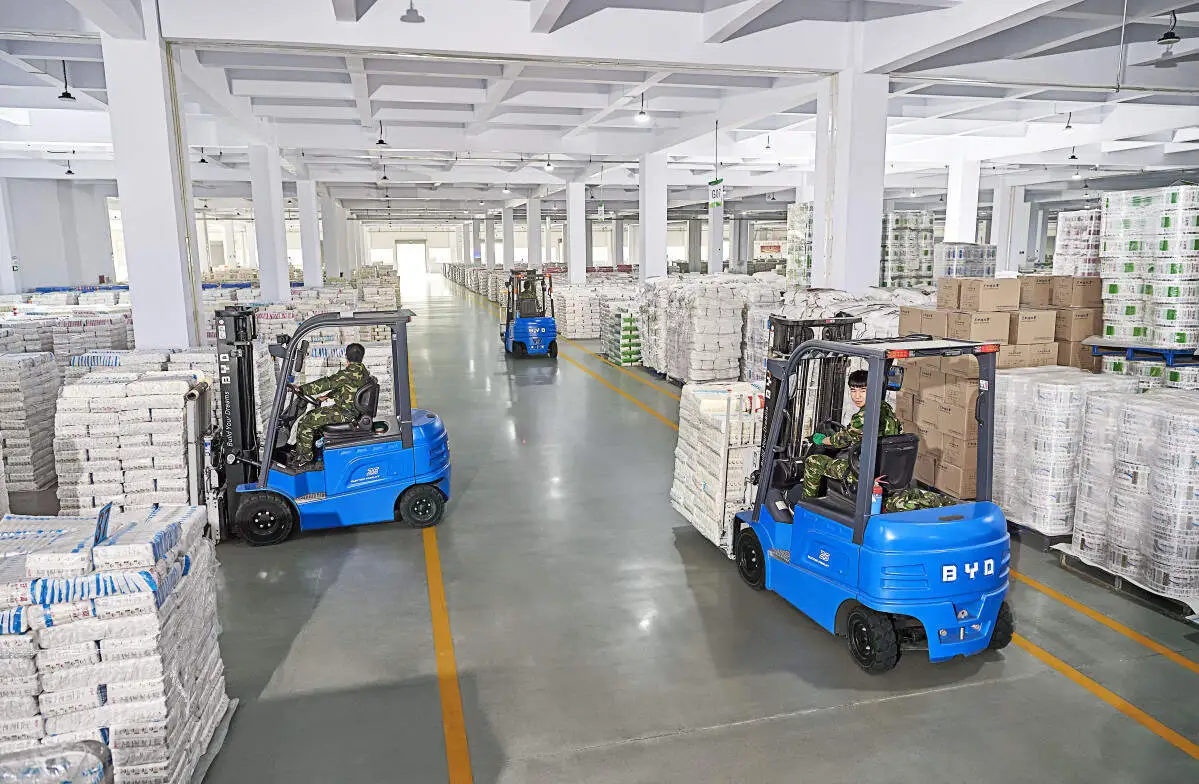
When investing in an electric forklift, aligning the equipment with your operational needs is foundational to controlling long-term costs. Oversized or underpowered forklifts lead to inefficient energy use and unnecessary wear. Evaluate factors like load capacity requirements, daily operating hours, and terrain conditions in your facility. Opting for models with energy-efficient components can significantly cut down on electricity consumption over time. As a professional electric forklift supplier, we at Jianshu New Energy offer tailored guidance to help you select the right equipment that balances performance and cost-effectiveness.
Proactive preventive maintenance is critical to avoiding costly breakdowns and extending the forklift’s service life. Create a structured maintenance schedule that includes routine checks of key components such as brakes, tires, hydraulic systems, and electrical connections. Addressing minor issues early prevents them from escalating into major repairs that halt operations and incur high expenses. Additionally, training your operators to perform basic pre-shift inspections can help identify potential problems before they affect productivity. Our team provides comprehensive maintenance support, including scheduled service visits and operator training programs to keep your forklifts in optimal condition.
Batteries represent a significant portion of an electric forklift’s total ownership cost. To maximize battery lifespan and reduce replacement expenses, follow proper charging and storage practices. Avoid overcharging or deep discharging the battery, as both can accelerate degradation. Implement a scheduled charging routine that aligns with your operational shifts, and ensure batteries are stored in a cool, dry environment. Investing in battery monitoring systems can help track performance and identify any anomalies early. We offer expert advice on battery management and can recommend solutions to enhance battery efficiency and longevity.
Efficient operational practices directly impact cost savings. Training operators to drive efficiently—such as avoiding sudden acceleration and deceleration, optimizing route planning, and properly handling loads—reduces energy consumption and minimizes wear on components. Encourage turning off the forklift when idle for extended periods, and hold regular refresher training sessions to reinforce these habits. Our customized operator training programs are designed to improve efficiency and lower operational costs over the service cycle.
Planning for the end of your forklift’s service cycle helps mitigate disposal and replacement costs. Consider refurbishing or repurposing functional components to cut replacement expenses. Explore recycling options for old batteries and parts to comply with environmental regulations while recovering some value. We can assist you in developing an end-of-life strategy that balances cost-effectiveness and environmental responsibility.
Controlling an electric forklift’s total ownership cost requires a holistic approach spanning its entire service cycle. By focusing on strategic selection, proactive maintenance, optimized battery management, efficient operations, and end-of-life planning, you can significantly reduce expenses and maximize your investment return. For personalized support, contact us at 17399989919@163.com.