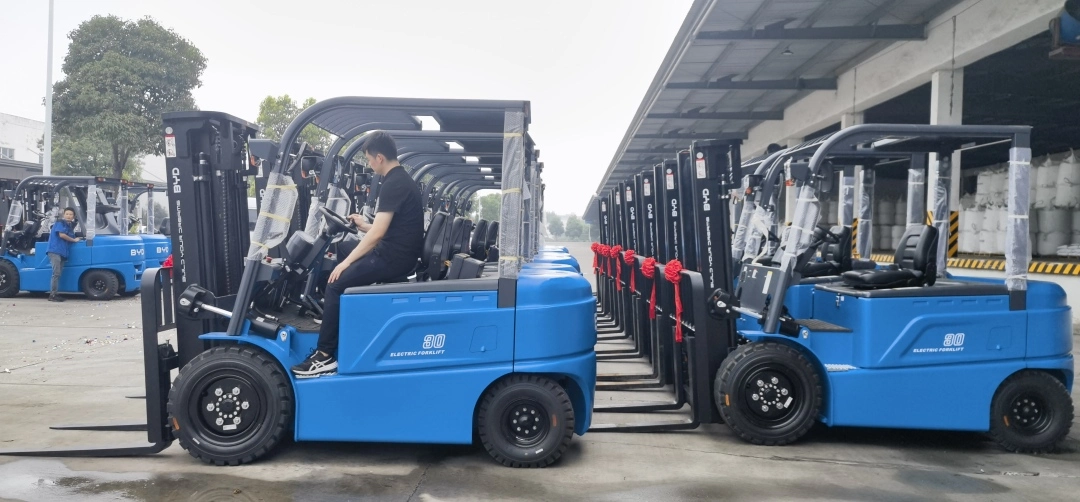
As electric forklifts grow more prevalent in warehouses and industrial facilities, retrofitting them with reliable backup warning sensors is a critical step to elevate workplace safety. These sensors help reduce collision risks, protect on-site personnel, and preserve valuable equipment. For operators of BYD electric forklifts, choosing the right sensor requires careful evaluation of several core factors to ensure optimal performance and seamless integration.
Sensor Type Evaluation
Two primary sensor types suit electric forklift retrofits. Ultrasonic sensors use sound waves to detect nearby obstacles, offering a cost-effective solution for low-speed, confined spaces where close-proximity detection is prioritized. They excel at identifying stationary objects in tight warehouse aisles. Millimeter-wave radar sensors, by contrast, provide longer detection ranges and maintain performance in adverse conditions like rain, fog, or dust. They accurately detect moving objects, making them ideal for larger industrial yards or busy facilities with high foot traffic. When selecting, align the sensor type with your specific work environment needs.
Compatibility with Electric forklift Systems
Before purchasing, verify the sensor’s compatibility with your BYD electric forklift’s electrical system. Ensure its voltage requirements match the forklift’s power supply to prevent damage or malfunction. Additionally, assess available mounting space on the forklift’s rear—some sensors require specific positioning to deliver accurate readings. Confirm that the sensor’s warning outputs, whether audible alarms, visual indicators, or both, integrate smoothly with the forklift’s existing control system to ensure consistent, timely alerts for operators.
Adherence to Safety Standards
Compliance with industry safety regulations is non-negotiable. Look for sensors that meet regional safety standards, which guarantee rigorous testing for detection accuracy, warning clarity, and durability in harsh industrial conditions. Choosing a compliant sensor not only protects your workforce but also helps your business avoid potential regulatory penalties or liabilities. Always review documentation to confirm the sensor meets relevant safety benchmarks before purchase.
Installation and Maintenance Considerations
Ease of installation is a key practical factor. Some sensors feature plug-and-play designs that simplify retrofitting, minimizing forklift downtime. For more complex setups, partnering with a specialized provider like Sharp Tree New Energy can ensure proper placement and calibration. We specialize in BYD electric forklifts and can deliver tailored support to optimize sensor performance. Additionally, evaluate maintenance needs: opt for sensors that are easy to clean and have long lifespans to reduce long-term operational costs.
Investing in the right backup warning sensor is an investment in both safety and efficiency. By evaluating sensor types, verifying compatibility, prioritizing compliance, and considering installation and maintenance needs, you can select a solution that aligns with your operational requirements. For personalized guidance on BYD electric forklift retrofits, reach out to Sharp Tree New Energy at 17399989919@163.com.