In modern material handling, choosing the right forklift directly impacts operational efficiency and safety. Two commonly used types are four-way electric forklifts and conventional units, each with distinct operational characteristics tailored to different work environments. Understanding their operational differences is key to making an informed decision for your warehouse or logistics needs.
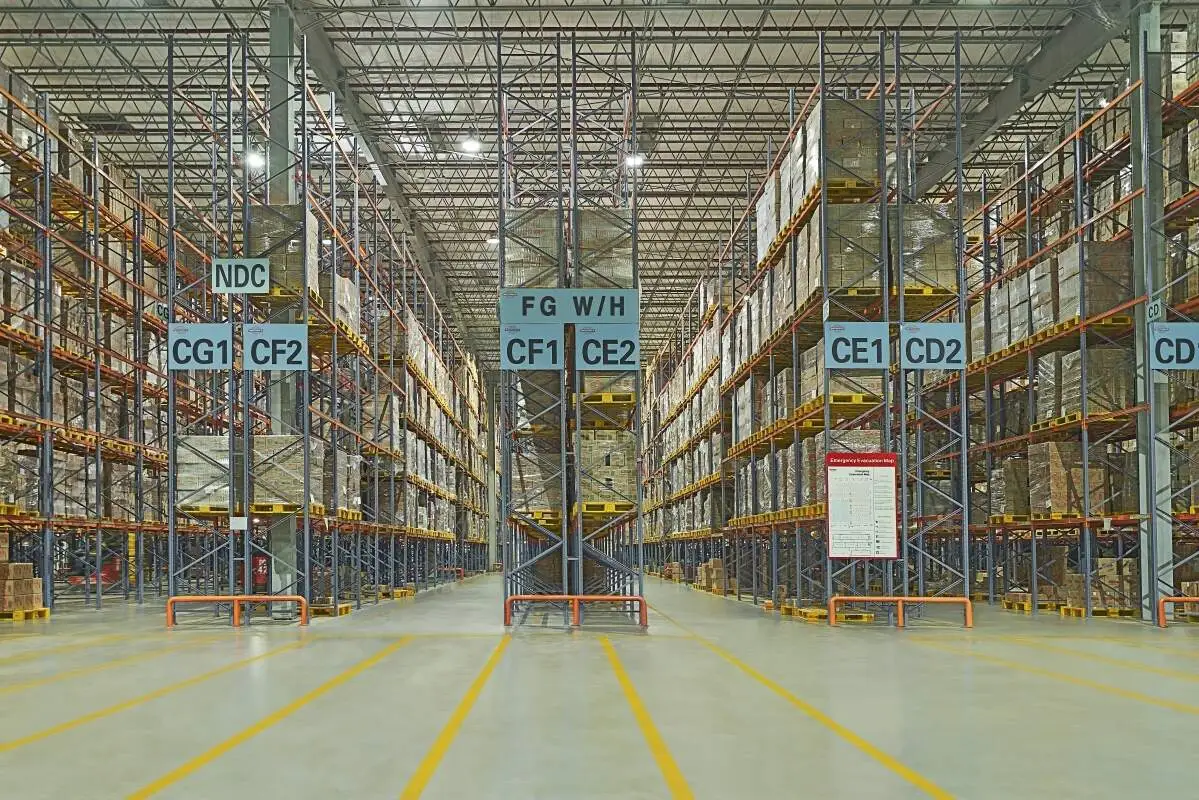
The most striking operational difference lies in maneuverability. Conventional forklifts are designed for forward and backward movement, with steering limited to turning the front wheels, requiring ample space to navigate corners or change directions. In contrast, four-way electric forklifts feature specialized steering systems that allow them to move not only forward and backward but also sideways, eliminating the need for large turning radii. This makes four-way units ideal for narrow aisles in high-density storage facilities, where space is at a premium, as they can easily access racks without requiring extra clearance for turning.
Load handling is another area where these two forklift types diverge. Conventional forklifts typically handle loads by moving forward or backward, and when transporting heavy items, they need to maintain a straight path to avoid tipping or shifting cargo. Four-way electric forklifts, however, can safely move sideways with a fully loaded pallet, reducing the need to reposition the forklift multiple times to align with racks. This not only saves time but also minimizes the risk of load damage in tight spaces, as the forklift can approach storage racks directly from the side without awkward maneuvers.
Operational training requirements also differ. Conventional forklifts have a more straightforward control system, making them easier for operators with basic material handling experience to master. Four-way electric forklifts, on the other hand, require additional training due to their multi-directional steering capabilities. Operators need to learn how to switch between different movement modes safely and accurately, ensuring they can navigate complex warehouse layouts without errors. While this adds a small upfront training cost, the long-term efficiency gains often outweigh this investment for businesses with narrow aisle storage setups.
When it comes to operational efficiency in specific environments, conventional forklifts excel in open spaces like loading docks or large warehouses where wide aisles allow for unrestricted movement. They are also suitable for tasks that involve frequent long-distance transport of loads. Four-way electric forklifts, by contrast, shine in compact, high-density warehouses where maximizing storage capacity is a priority. Their ability to move sideways allows warehouses to reduce aisle widths, increasing the number of storage racks and overall storage space without sacrificing access to inventory.
If you’re looking to optimize your material handling operations with electric forklifts, Jianshu New Energy specializes in BYD electric forklifts, offering tailored solutions to meet your specific operational needs. For more information or to consult with our experts, please reach out to us at 17399989919@163.com.