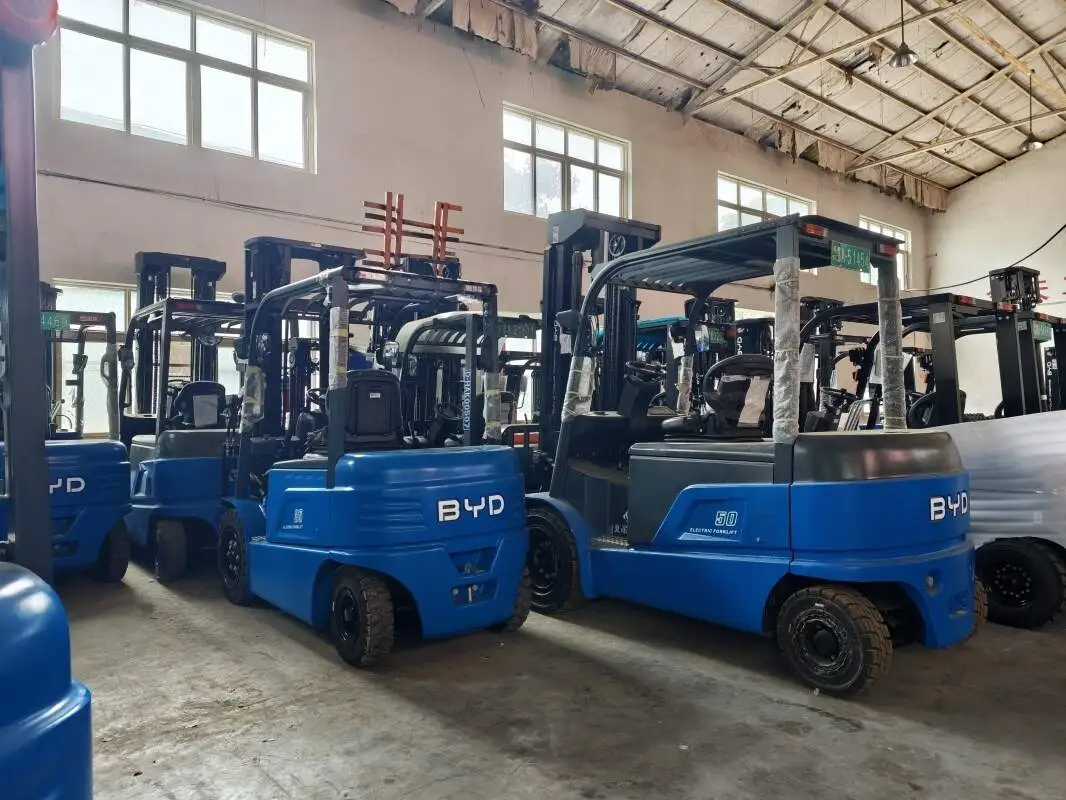
In the era of rapid e-commerce expansion and global supply chain optimization, modern warehouses face increasing pressures to handle higher order volumes, shorten delivery cycles, and control operational costs. Against this backdrop, autonomous electric forklifts have emerged as a practical, transformative solution that delivers tangible value across core warehouse workflows.
Enhanced operational efficiency is one of the most prominent benefits of autonomous electric forklifts. Unlike traditional forklifts dependent on operator schedules and prone to fatigue-related delays, these automated units can operate consistently around the clock, ensuring uninterrupted cargo movement even during off-peak hours. Equipped with advanced navigation systems, they navigate narrow aisles and complex warehouse layouts with precise path planning, minimizing waiting times for loading, unloading, and inventory relocation. This steady, error-free workflow directly boosts daily throughput, helping warehouses meet tight delivery deadlines more reliably.
Workplace safety is another critical value driver. Warehouse environments carry inherent risks from human error, such as collisions with racks, equipment, or other personnel. Autonomous electric forklifts integrate multiple sensors and obstacle-detection technologies that automatically adjust their speed or halt operations when encountering barriers, significantly reducing accident risks. By shifting repetitive, high-risk tasks to automated systems, warehouses also lower the likelihood of work-related injuries among staff, creating a safer working environment and reducing downtime caused by accidents.
Long-term operational cost reduction further underscores the value of these forklifts. While the initial investment may be higher than traditional models, electric-powered automated units offer substantial ongoing savings. They consume less energy compared to fossil fuel alternatives, cutting utility expenses over time. Additionally, their simplified mechanical structure means fewer maintenance requirements, reducing repair costs and unplanned downtime. Warehouses can also optimize staffing levels, as fewer operators are needed to manage forklift operations, translating to consistent labor cost savings.
Autonomous electric forklifts also support optimized inventory management. When integrated with warehouse management systems (WMS), they enable real-time synchronization of cargo movement data. These forklifts can accurately track and locate inventory, updating the WMS with precise information about stock positions and movements. This seamless integration minimizes inventory discrepancies, giving warehouse managers an accurate, up-to-date view of stock levels at all times. With improved inventory visibility, warehouses can avoid overstocking or stockouts, streamlining overall supply chain efficiency.
As modern warehouses continue to evolve, the demand for efficient, safe, and cost-effective material handling solutions will grow. Autonomous electric forklifts address these needs with measurable, real-world value. For businesses seeking reliable electric forklift solutions, Jianshu New Energy specializes in BYD electric forklifts. Feel free to reach out via 17399989919@163.com to explore how these solutions can transform your warehouse operations.