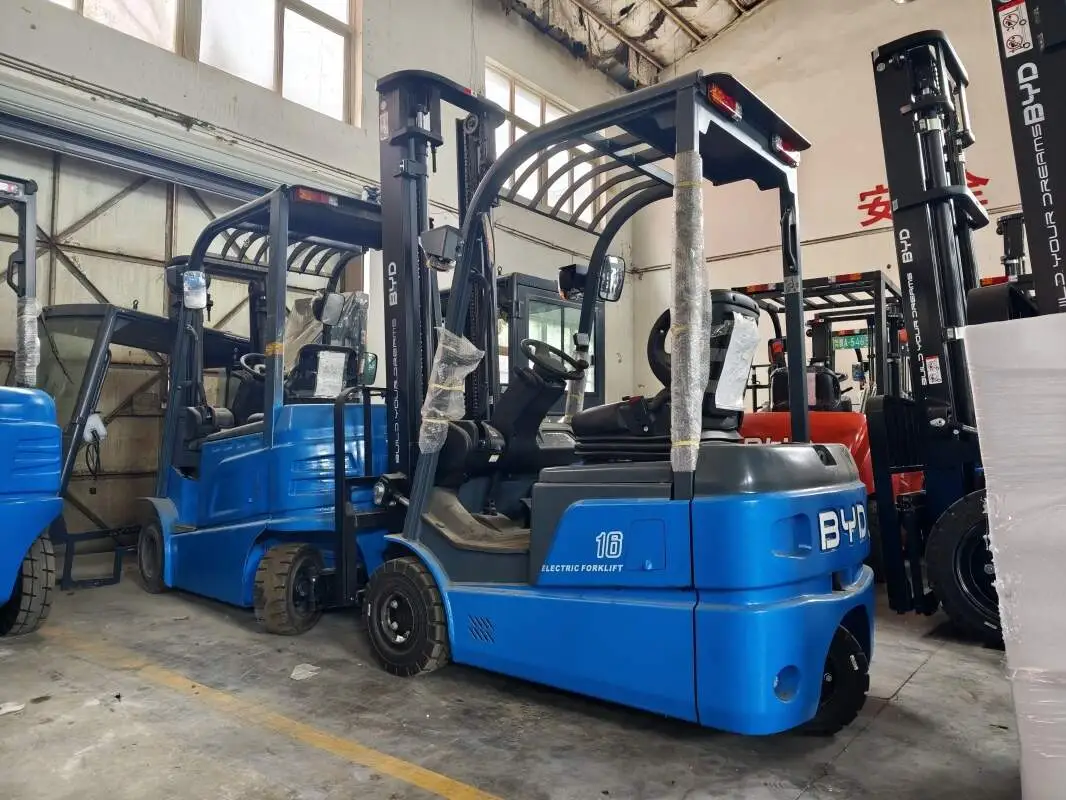
When operating an electric forklift, selecting the appropriate fork width is a critical factor that directly impacts handling safety, operational efficiency, and the lifespan of both the forklift and pallets. Using an ill-matched fork width can lead to pallet instability, cargo damage, or even workplace accidents. This guide will walk you through the key steps to choose the right fork width based on your pallet size, helping you optimize material handling operations.
First, you need to accurately measure the core dimensions of your pallets. Focus on two key measurements: the inner distance between the fork entry slots and the overall width of the pallet. The fork entry slots are the openings where the forklift forks insert, and their spacing determines the minimum and maximum fork width range you should consider. Use a reliable measuring tape to get precise figures, as even small discrepancies can affect the fit. For standard pallets, these dimensions often follow common industry norms, but it’s still essential to verify rather than rely on assumptions.
Next, match the fork width to the pallet’s fork slot spacing. As a general rule, the width of each fork should be narrow enough to easily slide into the fork slots without scraping the inner edges, while the total spread between the two forks should provide sufficient support for the pallet’s base. Ideally, the fork width should occupy about 60-70% of the fork slot’s inner width to ensure stable contact. If the forks are too narrow, the pallet may shift or tilt during lifting; if they are too wide, you risk damaging the pallet’s edges or being unable to insert them fully into the slots.
Consider the type of pallets and operational environment as well. For non-standard pallets with unique dimensions, you may need to adjust the forklift’s fork spread mechanism if available, or consult professionals for customized solutions. In narrow warehouse aisles, a more compact fork width might be necessary to maneuver safely without hitting racks or other equipment. Additionally, if you handle heavy or unevenly loaded pallets, opting for a slightly wider fork setup can enhance stability and distribute weight more evenly across the forks.
Avoid common mistakes when selecting fork width. Never choose forks based solely on the pallet’s overall width, as this ignores the critical fork slot spacing. Also, refrain from using forks that are significantly smaller than the slot width, as this can cause the pallet to wobble during transportation. Regularly inspect both your forks and pallets for wear and tear, as damaged forks or warped pallets can alter the fit and compromise safety.
If you need professional guidance on electric forklift fork selection or are looking for high-quality electric forklifts, we are Jianshu New Energy, specializing in BYD electric forklifts. Our team of experts can assist you in matching the perfect fork width to your pallet sizes and operational needs. Feel free to contact us at 17399989919@163.com for personalized support.