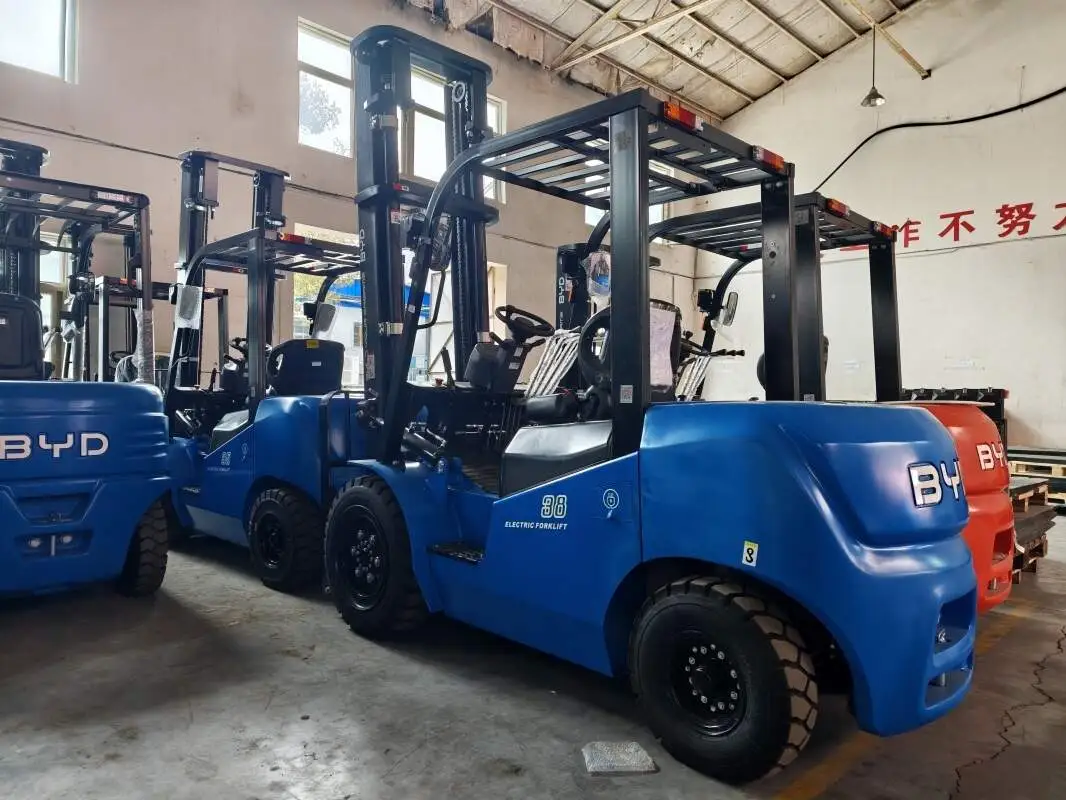
In industries like retail, logistics and agriculture, seasonal workload spikes—such as holiday shopping periods, harvest seasons or peak shipping windows—pose unique challenges for material handling operations. Deploying electric forklifts effectively during these periods can boost efficiency, reduce operational costs and ensure seamless workflow, but careful planning is essential to avoid disruptions.
First, assess fleet sizing and flexibility to match seasonal demand. Start by analyzing historical data to identify peak and off-peak workload volumes. During high-demand periods, you may need to supplement your permanent electric forklift fleet with short-term rentals to avoid overinvesting in equipment that sits idle during slower months. Electric forklifts are ideal for this flexible approach due to their low maintenance requirements and quick turnaround time for deployment. It’s also important to consider specific tasks required, such as indoor vs. outdoor operation, load capacity needs and aisle width compatibility, to select the right forklift models for the seasonal workload.
Second, ensure charging infrastructure readiness. Seasonal peaks often mean extended operating hours and more frequent forklift use, which puts additional strain on charging systems. Begin by auditing existing charging stations to confirm they can handle increased demand. If needed, install temporary charging units or adjust charging schedules to avoid overloading the electrical grid during peak times. For lithium-ion electric forklifts, consider fast-charging options to minimize downtime and keep equipment running through extended shifts. Remember to allocate dedicated charging areas with proper ventilation and safety signage to support efficient and safe charging operations.
Third, prioritize pre-season maintenance and inspection. Before the seasonal rush begins, conduct comprehensive checks on all electric forklifts, including battery health, brake systems, tire condition and hydraulic components. For battery-powered models, ensure batteries are fully charged and free of corrosion, and replace any worn parts to prevent unexpected breakdowns. Partnering with a reliable provider like Jianshu New Energy, which specializes in BYD electric forklifts, can give you access to professional maintenance services tailored to your fleet’s needs. Proactive maintenance not only reduces the risk of downtime during critical periods but also extends the lifespan of your equipment.
Fourth, invest in operator training and safety protocols. Seasonal workloads often require hiring temporary staff or reallocating existing employees to material handling roles. It’s crucial to provide thorough training on electric forklift operation, including safe charging practices, load handling techniques and emergency procedures. Ensure all operators understand the unique features of electric forklifts, such as quiet operation and zero emissions, which can impact workplace safety and efficiency. Regular safety briefings and refresher courses can help maintain a high standard of safety throughout the seasonal period.
By addressing these key considerations, businesses can optimize electric forklift deployment for seasonal workloads, ensuring smooth operations and maximizing return on investment. For expert guidance on selecting and deploying BYD electric forklifts, contact Jianshu New Energy at 17399989919@163.com. Our team has the knowledge and experience to help you create a tailored deployment plan that meets your specific seasonal needs.