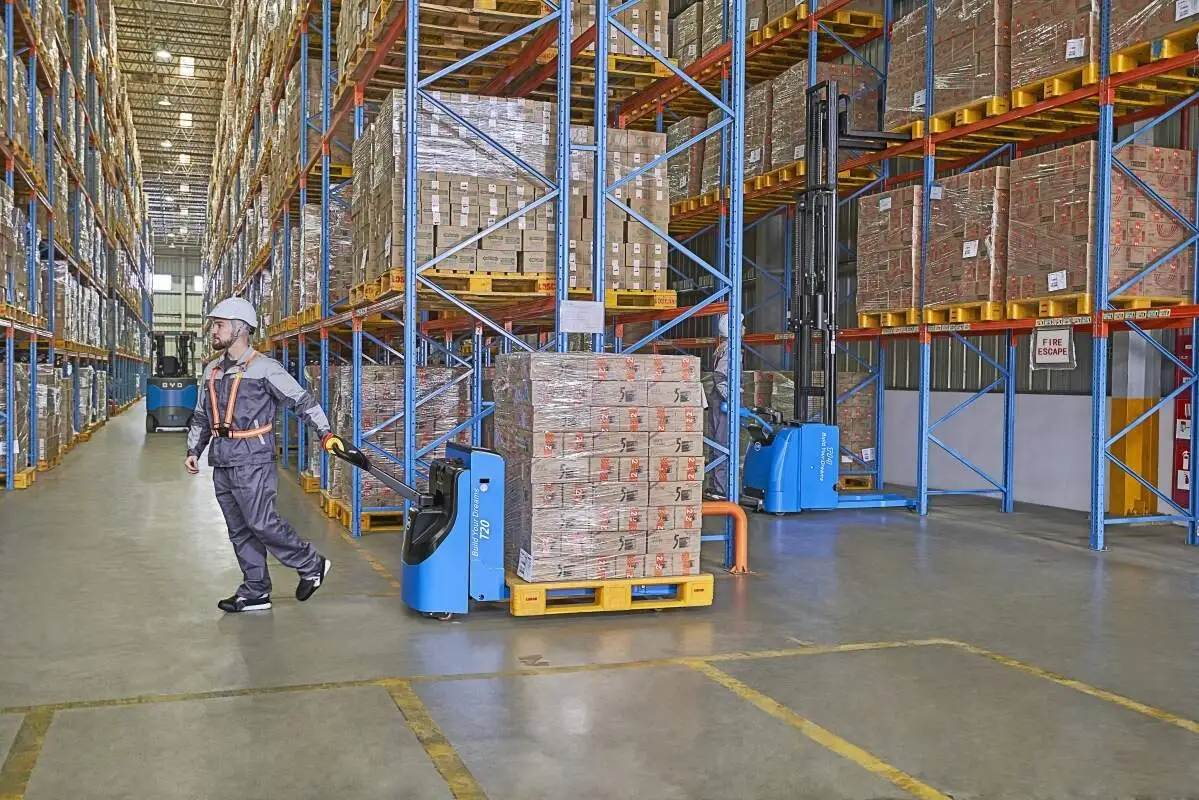
Regular daily pre-operation inspections are a critical component of electric forklift safety and operational reliability. These checks help identify potential issues before they lead to accidents, equipment breakdowns, or costly repairs, while ensuring compliance with workplace safety regulations.
Start with a walk-around visual inspection of the entire forklift. Look for visible damage to the body, forks, mast, and tires. Ensure tires are properly inflated and free of cuts or excessive wear, as compromised tires can undermine stability and maneuverability. Inspect fork tines for bending, cracks, or excessive wear, which could reduce load-bearing capacity. Verify all lights, horns, and safety decals are intact and clearly visible.
Next, assess critical operational systems. Test both the service brake and parking brake to confirm they engage smoothly and hold the forklift steady on a level surface. For the steering system, turn the wheel to check for excessive play or stiffness, signs of potential mechanical issues. Inspect the hydraulic system for leaks around hoses, fittings, and cylinders—small leaks can gradually reduce performance over time. Check hydraulic fluid levels to ensure they fall within the recommended range.
Since electric forklifts depend heavily on electrical components, this inspection step is vital. Examine battery connections to ensure they are tight and free of corrosion. Use the built-in indicator to check the battery’s charge level; a low charge can cause unexpected shutdowns during operation. Inspect wiring for fraying, cuts, or loose connections, which pose safety hazards. Test all electrical accessories, including headlights, taillights, turn signals, and the horn, to confirm proper functionality.
Conduct a short pre-operation test run in a designated safe area before starting work. Drive the forklift forward and backward, turn in both directions, and test the mast’s lifting and lowering functions. Pay close attention to any unusual noises, vibrations, or performance irregularities. If any issues are detected, remove the forklift from service immediately and report the problem to maintenance personnel.
Consistent adherence to these daily pre-operation inspection guidelines helps reduce accident risks and equipment downtime. Remember to document inspections properly, and never use a forklift until identified issues are resolved. Following these procedures ensures a safe working environment and extends the lifespan of your electric forklift.