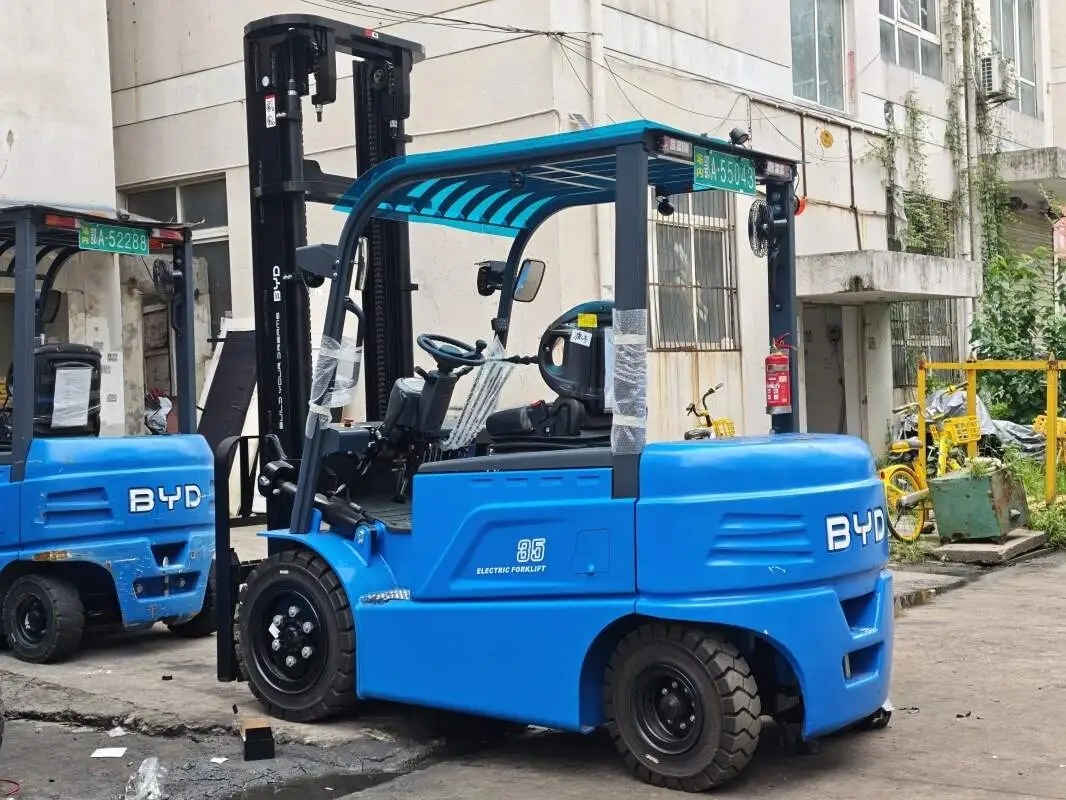
forklift fork extensions are widely used to extend the reach of standard forklift forks, enabling handling of longer or larger loads. However, improper use can lead to safety hazards and equipment damage. Adhering to strict usage regulations and safety notes is critical to ensure operational safety and compliance.
Before using forklift fork extensions, a comprehensive pre-use inspection is mandatory. First, verify that the extensions are compatible with the forklift’s fork dimensions—mismatched sizes can cause instability. Check for signs of wear, cracks, or deformation on the extensions; any damaged components must be replaced immediately. Ensure the locking mechanisms are secure and functioning properly to prevent the extensions from sliding off during operation. Inspect the forklift’s overall condition as well, including brake systems and load-bearing capabilities, to confirm it can support the extended load requirements.
One of the most critical regulations is adhering to specified load limits. Forklift fork extensions reduce the forklift’s rated load capacity, as the extended length shifts the load center further from the machine’s base. Never exceed the modified load capacity provided for the specific extension length. Calculate the load center accurately—for longer loads, ensure the weight is evenly distributed across the extensions to avoid tilting. Avoid carrying loads that are too narrow for the extensions, as this can cause the load to slip or the extensions to bend under uneven pressure.
During operation, maintain slow and steady movements to prevent load instability. Avoid sharp turns or sudden stops when carrying extended loads, as these actions can increase the risk of tipping. Keep the load as low as possible when traveling, especially on uneven surfaces. When lifting or lowering loads, ensure the extensions are fully inserted under the load and that the load rests securely on both extensions. Do not use the extensions to push or pry objects, as this can damage the extensions and compromise the forklift’s structural integrity. Only trained and certified operators should handle forklifts equipped with fork extensions, as improper operation poses significant safety risks.
After each use, clean the fork extensions to remove dirt, debris, or corrosive materials that could cause damage over time. Store the extensions in a dry, secure area to prevent rust or deformation. Conduct regular periodic inspections, at least once a month or as per operational schedules, to check for wear and tear. Lubricate moving parts of the locking mechanisms to ensure smooth operation during future use. Document all inspections and maintenance activities to track the condition of the extensions and ensure compliance with safety standards.
In the event of an incident, such as a load shift or extension failure, remain calm and follow emergency protocols. If the forklift begins to tilt, do not jump off—instead, hold onto the steering wheel and lean away from the direction of the tilt. If the extension becomes loose during operation, stop immediately in a safe area, lower the load, and re-secure the extension before resuming work. Report any accidents or equipment damage to the relevant supervisor promptly to address issues and prevent future incidents.
By following these usage regulations and safety notes, operators can ensure the safe and efficient use of forklift fork extensions, reducing the risk of accidents and extending the lifespan of both the extensions and the forklift. Prioritizing compliance and regular maintenance is key to maintaining a secure material handling environment.