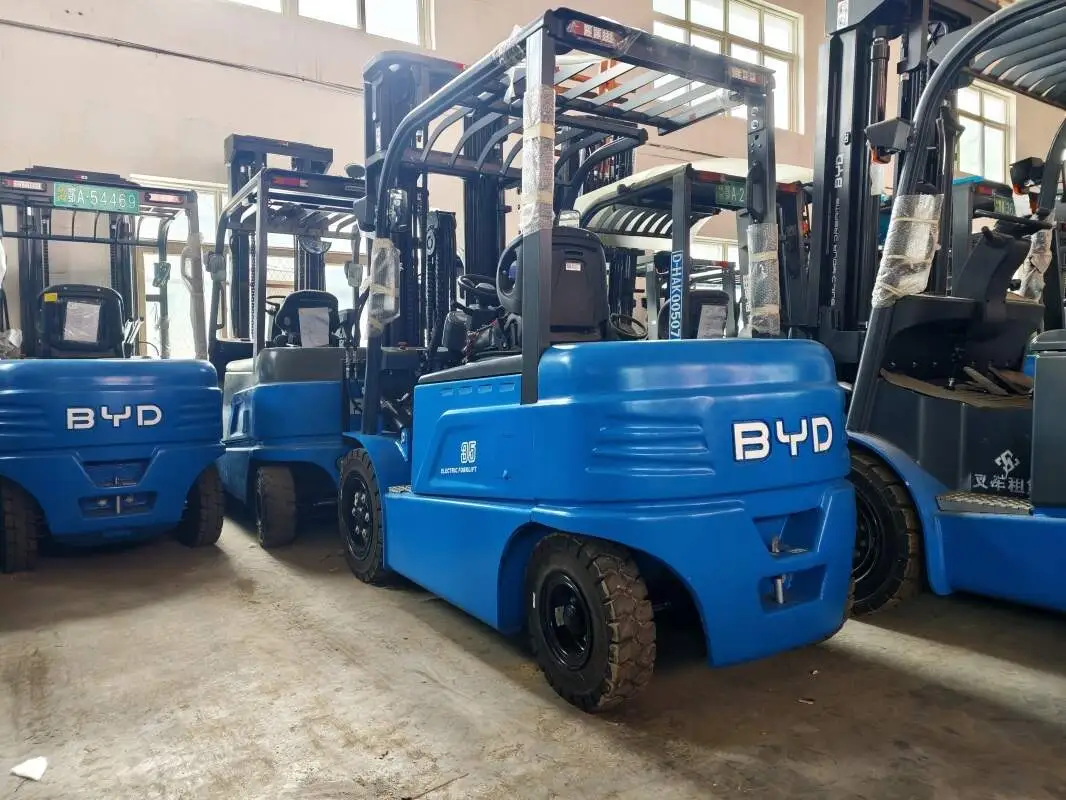
As Malaysia’s industrial and logistics sectors continue to expand, the demand for reliable forklift tyres has grown significantly. For buyers navigating this market, understanding key market dynamics and product considerations is essential to making cost-effective, suitable purchasing decisions.
First, buyers must distinguish between the main forklift tyre types available in Malaysia. Solid rubber tyres are ideal for indoor warehouse operations, offering high durability and resistance to punctures, which reduces downtime in busy storage facilities. Pneumatic tyres, on the other hand, are better suited for outdoor use on uneven terrain, providing superior shock absorption to protect both the forklift and cargo. Polyurethane tyres strike a balance, combining the durability of solid tyres with smoother handling, making them a popular choice for mixed indoor-outdoor applications.
In Malaysia’s forklift tyre market, buyers have access to both locally manufactured and imported options. Local production often offers more competitive pricing and shorter lead times for replacements, which is beneficial for businesses with urgent maintenance needs. Imported tyres may come with specialized features tailored to heavy-duty operations, though they typically carry higher price tags and longer delivery periods. It’s important for buyers to assess their operational frequency and load requirements to determine which option aligns with their budget and timeline.
Cost considerations extend beyond the initial purchase price. Regular maintenance, such as tyre pressure checks and tread inspections, can extend the lifespan of forklift tyres and reduce long-term operational costs. In Malaysia’s tropical climate, excessive heat can accelerate tyre wear, so choosing tyres with heat-resistant compounds is a wise investment for businesses operating in outdoor or high-temperature environments. Buyers should also factor in the availability of replacement parts and local service support to ensure minimal disruption to daily operations.
Additionally, understanding local regulatory standards is crucial. Forklift tyres used in Malaysia must comply with safety and quality guidelines set by relevant industrial authorities to ensure workplace safety and operational reliability. Buyers should verify that their chosen tyres meet these standards, as non-compliant products may lead to safety risks and regulatory penalties.
To conclude, navigating the Malaysian forklift tyre market requires a combination of understanding product types, market offerings, and long-term operational costs. By evaluating their specific operational needs, comparing local and imported options, and prioritizing maintenance-friendly, compliant tyres, buyers can select solutions that enhance efficiency and reduce downtime. With the right approach, investing in quality forklift tyres becomes a strategic decision that supports the smooth running of industrial and logistics operations across Malaysia.