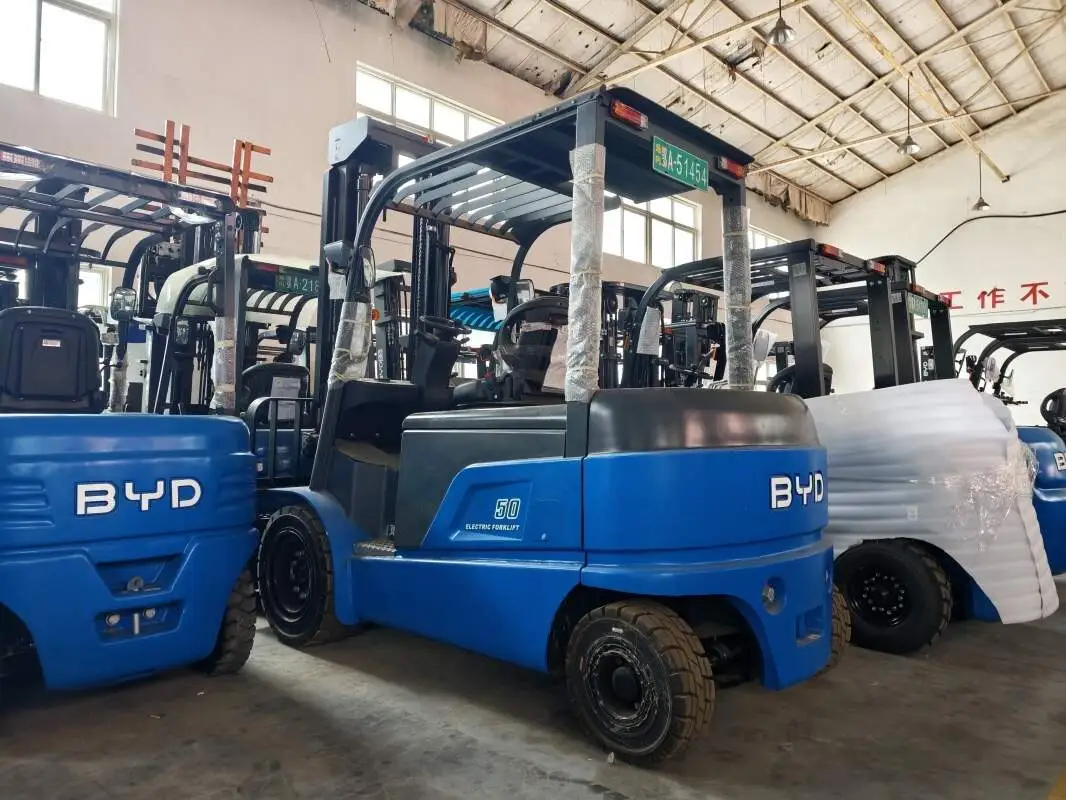
electric forklifts are integral to efficient operations in warehouses, distribution centers, and industrial facilities, with their tires playing a pivotal role in ensuring stability, safety, and performance. Neglecting tire care can lead to increased operational risks, higher energy consumption, and premature equipment downtime. Adhering to structured replacement and servicing guidelines is essential for maximizing tire longevity and keeping forklifts running reliably.
Tire Replacement Guidelines
Recognizing when to replace forklift tires is the foundation of proactive maintenance. Several clear signs indicate a need for replacement. Excessive tread wear is the most common indicator: when tread depth drops below the manufacturer’s recommended minimum (usually around 1/8 inch for solid tires), the tire loses traction, especially on wet or uneven surfaces. Cracks, cuts, or bulges on the tire rubber are also critical warnings, as these can lead to sudden failure during operation. Additionally, persistent underinflation or overinflation that cannot be resolved by pressure adjustments may signal internal damage requiring replacement.
When replacing tires, safety must take precedence. Begin by parking the forklift on a flat, level surface and engaging the parking brake. Use wheel chocks to secure the non-target wheels to prevent accidental movement. Then, jack up the forklift using a rated lifting device, ensuring it is stable before proceeding. Remove wheel nuts carefully, noting their placement for reassembly to maintain proper alignment. Once the old tire is removed, inspect the wheel hub for debris or damage that could compromise the new tire’s fit. Install the new tire, align it correctly with the hub, and tighten wheel nuts to the manufacturer’s specified torque. Finally, lower the forklift and verify tire pressure matches recommended levels.
Routine Servicing Tips
Regular servicing prevents premature tire wear and extends overall lifespan. Start with weekly visual inspections: check for wear patterns, cracks, or embedded debris like nails or rocks that could cause punctures. For pneumatic tires, monitor pressure at least twice a month, as incorrect pressure leads to uneven wear and reduced load-bearing capacity. Solid tires also require regular checks for surface damage and proper alignment.
Cleaning tires regularly is another key servicing step. Dirt, grease, and debris can accumulate on tire surfaces, hiding damage and potentially causing corrosion. Use a mild detergent and water to scrub tires, focusing on tread grooves and sidewalls. Avoid harsh chemicals that may degrade rubber compounds.
Proper operator behavior also supports tire longevity. Encourage operators to avoid sudden starts, stops, and sharp turns, as these actions place excessive stress on tires and accelerate wear. Ensure loads are evenly distributed and within the forklift’s rated capacity, as overloading can cause tire deformation and premature failure.
In conclusion, following structured tire replacement and routine servicing guidelines is vital for maintaining electric forklift performance and safety. By staying alert to wear signs, performing replacements safely, and sticking to regular maintenance routines, you can reduce downtime, lower operational costs, and create a safer work environment for all personnel.