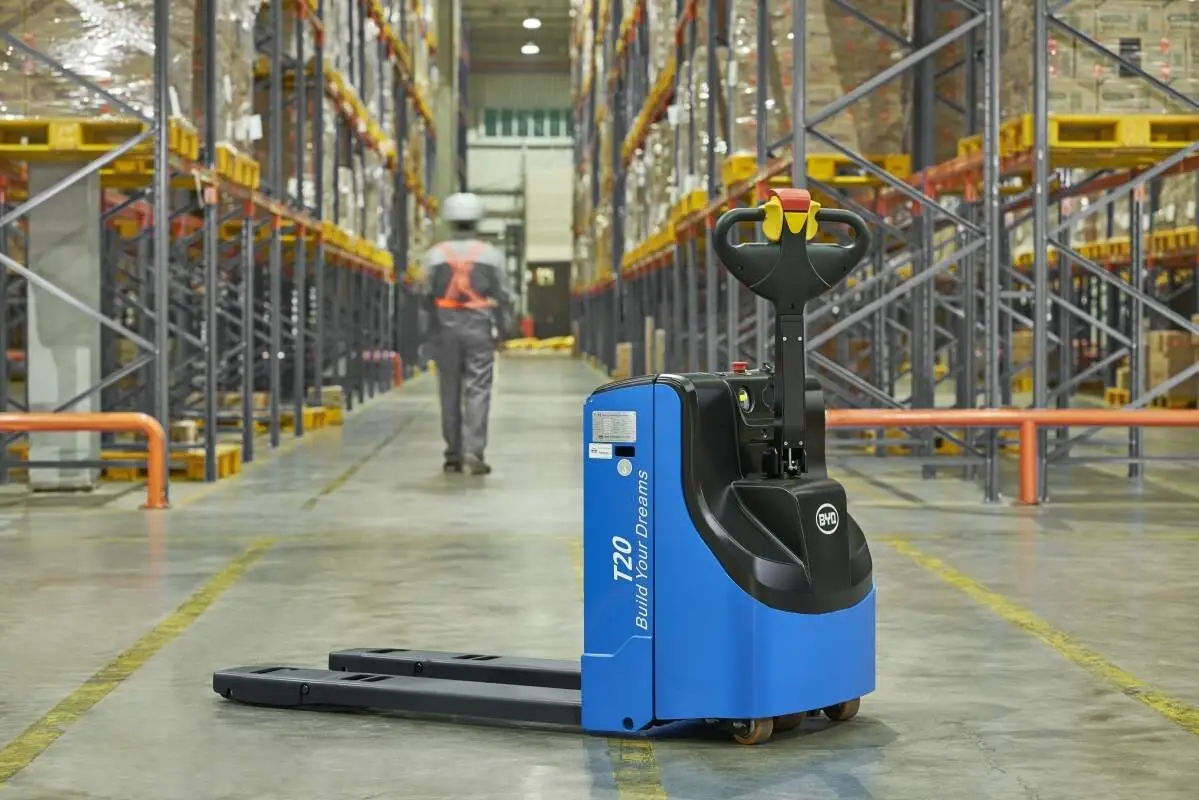
Heavy-duty material handling is a critical component of industrial operations, where moving large, heavy loads safely and efficiently directly impacts productivity and operational safety. The 7000 pound forklift emerges as a reliable solution for tasks that demand substantial lifting capacity without compromising maneuverability in controlled environments. This application reference outlines key scenarios, operational considerations, and performance benefits to guide businesses in leveraging this equipment effectively.
Ideal Application Scenarios
#Manufacturing Facilities
In manufacturing plants, 7000 pound forklifts are essential for moving heavy machinery components, assembled equipment, and bulk raw materials across production floors. These forklifts can navigate narrow aisles between production lines while handling loads that exceed the capacity of smaller models, supporting seamless workflow transitions. They play a vital role in reducing downtime during equipment installation and raw material replenishment, ensuring production targets are met consistently.
#Warehousing and Distribution Centers
For warehouses storing heavy palletized goods such as industrial parts, construction materials, or bulk packaged products, 7000 pound forklifts streamline loading and unloading processes. They can stack heavy pallets at moderate heights, optimizing vertical storage space without risking load instability. This capability helps warehouses maximize storage density, reducing the need for additional facility space and lowering operational costs over time.
#Port and Intermodal Yards
In port environments, these forklifts assist in transferring heavy cargo containers and crated goods between storage areas and transport vehicles. Their robust build enables them to operate on paved outdoor surfaces, handling the constant demands of high-volume cargo movement. They are particularly useful for loading and unloading heavy shipments onto trucks or rail cars, facilitating smooth intermodal transitions.
Operational Considerations
- Load Balance and Stability: Operators must ensure loads are properly centered on the forks to maintain stability during lifting and transport. Overloading or unevenly distributed loads can lead to tipping hazards, so adhering strictly to the forklift’s rated capacity is non-negotiable. Pre-shift inspections of load securing mechanisms also help prevent accidental load shifts during movement.
- Site Adaptability: Before deploying a 7000 pound forklift, assess the operating environment carefully. For indoor use, confirm aisle widths can accommodate the forklift’s turning radius to avoid collisions with racks or equipment. For outdoor use, ensure surfaces are flat, well-maintained, and free of debris to prevent slips or equipment damage.
- Regular Maintenance: Routine inspections of brakes, tires, lifting mechanisms, and hydraulic systems are critical to sustaining consistent performance. Scheduled maintenance reduces the risk of unexpected breakdowns, minimizing downtime in high-demand operations. Operators should also be trained to identify early signs of wear and report them promptly to maintenance teams.
Performance Benefits
The 7000 pound forklift strikes a balance between lifting power and operational flexibility, making it a cost-effective choice for businesses with varied heavy-duty material handling needs. Its capacity allows businesses to move more goods per trip, reducing the number of cycles and saving valuable time during peak operations. Additionally, modern models feature ergonomic operator cabins with adjustable seating and intuitive controls, reducing operator fatigue during long shifts and improving overall workplace safety.
By understanding the ideal scenarios, operational best practices, and performance advantages of the 7000 pound forklift, businesses can make informed decisions to enhance their heavy-duty material handling operations. This equipment serves as a reliable asset when deployed correctly, supporting efficient, safe, and sustainable industrial workflows.