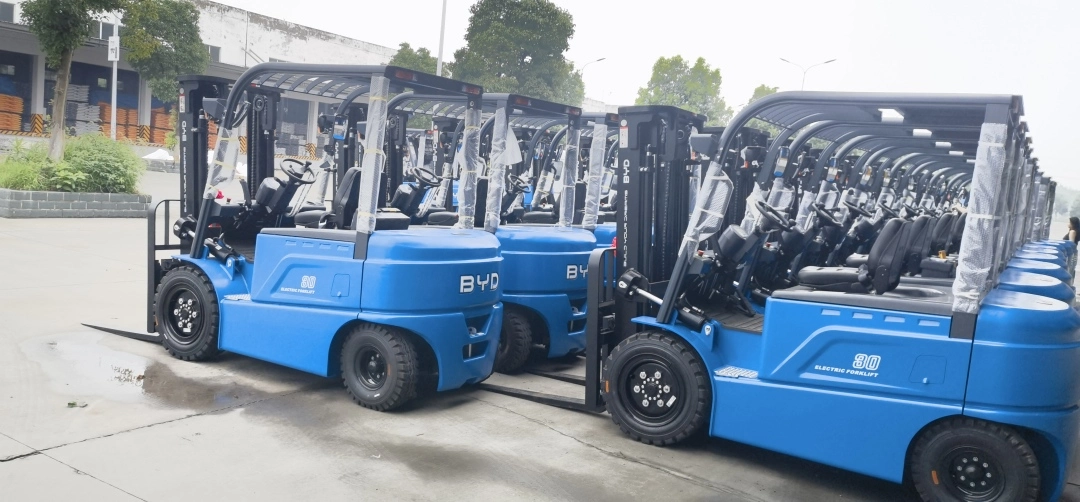
In the United Kingdom’s fast-growing logistics and warehousing sector, electric forklifts have emerged as a staple for efficient, sustainable material handling. However, their pricing is not static; it is shaped by a complex interplay of market factors that businesses must understand to make informed purchasing decisions.
One of the primary drivers of electric forklift pricing is supply chain dynamics. The cost of raw materials, such as lithium for batteries and high-grade steel for structural components, fluctuates based on global market demand and geopolitical tensions. For instance, disruptions in lithium mining regions can lead to price spikes that directly increase production costs for manufacturers. Additionally, post-Brexit trade regulations have introduced new customs duties and transportation delays for imported parts, further elevating overall costs that are often passed on to buyers.
Regulatory policies in the UK also play a significant role in determining electric forklift pricing. The government’s commitment to achieving net-zero carbon emissions by 2050 has led to stricter emissions standards for industrial vehicles, phasing out diesel-powered alternatives. This shift has pushed manufacturers to invest heavily in electric vehicle technology, including advanced battery systems and energy-efficient components. While some government incentives may offset upfront costs for buyers, the increased R&D expenses incurred by manufacturers can result in higher base prices for electric forklifts.
Market demand and competitive landscape further influence pricing trends. The boom in e-commerce has fueled a surge in warehouse operations across the UK, boosting demand for electric forklifts. During peak seasons, such as the holiday period, this heightened demand can lead to temporary price increases due to limited supply. Conversely, a competitive market with multiple manufacturers vying for market share can drive prices down as companies offer value-added features to attract customers. New entrants to the market may also introduce more affordable options, creating downward pressure on established pricing structures.
Technological advancements and product specifications are another key factor. Electric forklifts vary significantly in terms of battery type, with lithium-ion models typically commanding higher prices than lead-acid alternatives due to their longer lifespan and faster charging capabilities. Additional features, such as automated navigation systems, load monitoring sensors, and extended range, also add to the overall cost. Businesses seeking high-performance forklifts tailored to specific operational needs should expect to pay a premium, while basic models with standard configurations remain more budget-friendly.
In conclusion, electric forklift pricing in the UK is a multifaceted issue influenced by supply chain stability, regulatory changes, market demand, and technological innovation. By analyzing these factors, businesses can better anticipate price fluctuations and select forklifts that align with their operational requirements and budget constraints.