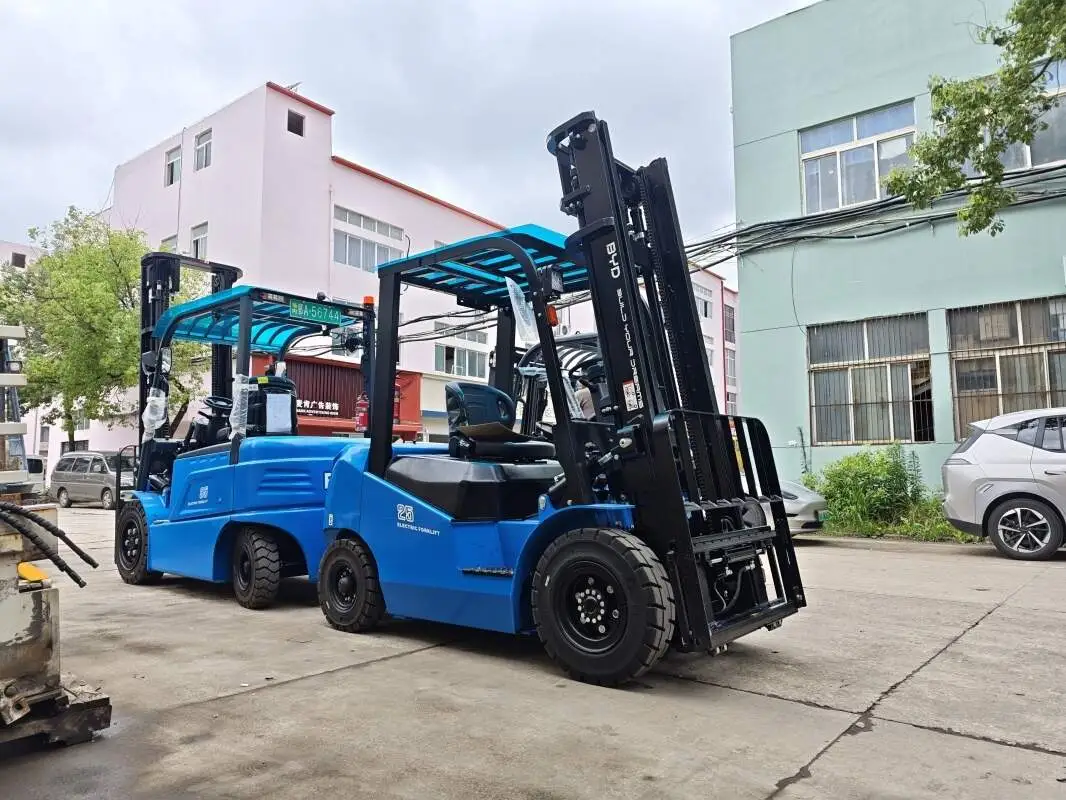
Warehouse operations often face significant challenges when handling over-length material goods such as steel beams, lumber, and industrial pipes. These items exceed the standard dimensions of conventional forklifts, leading to issues with maneuverability, space usage, and load stability. Side load forklifts, however, are engineered specifically to address these pain points, offering a range of handling advantages that optimize the movement and storage of over-length materials.
One of the primary benefits of side load forklifts is their exceptional space utilization efficiency. Unlike traditional forklifts that require ample front-facing space to maneuver and load items, side load models operate by picking up materials from the side. This design allows them to navigate narrow aisles with ease, eliminating the need for wide turning radii. In warehouses with limited space, this means businesses can maximize storage density by arranging racks closer together, without compromising access to over-length materials. This not only saves valuable floor space but also reduces the time spent navigating between storage areas, boosting overall operational efficiency.
Enhanced load stability is another key advantage of side load forklifts for over-length goods. When transporting long materials, conventional forklifts often struggle with uneven weight distribution, as the load extends far beyond the vehicle’s center of gravity. This can lead to increased risk of tipping or material damage during transit. Side load forklifts, by contrast, support over-length materials along their side-mounted racks, aligning the load’s center of gravity with the forklift’s chassis. This even weight distribution ensures stable movement, whether traveling straight or making gentle turns, reducing the likelihood of accidents and protecting both the materials and the equipment.
Gentle material protection is also a critical benefit of using side load forklifts. Over-length materials, especially those made of delicate or high-value materials, can easily warp, scratch, or break if not handled properly. Conventional forklifts rely on fork tines that apply pressure to small sections of the load, potentially causing localized damage. Side load models use wide, padded support arms or clamps that distribute weight evenly across the length of the material. This reduces stress on individual points, minimizing the risk of deformation or surface damage. For businesses dealing with precision components or finished goods, this gentle handling helps maintain product integrity and reduces costly waste.
Finally, side load forklifts offer greater operational flexibility compared to traditional models. They can access materials stored along the sides of aisles without needing to reposition the entire vehicle, which is particularly useful when retrieving items from long, continuous racks. Operators can load or unload materials quickly, even in tight spaces, reducing the number of maneuvering steps required. This flexibility translates to faster turnaround times for material handling tasks, allowing warehouses to process more orders and maintain smoother workflows.
In conclusion, side load forklifts provide a tailored solution for handling over-length material goods, addressing the key challenges associated with conventional forklift use. Their space-saving design, stable load handling, gentle material protection, and operational flexibility make them a valuable asset for warehouses and industrial facilities looking to optimize their material management processes.