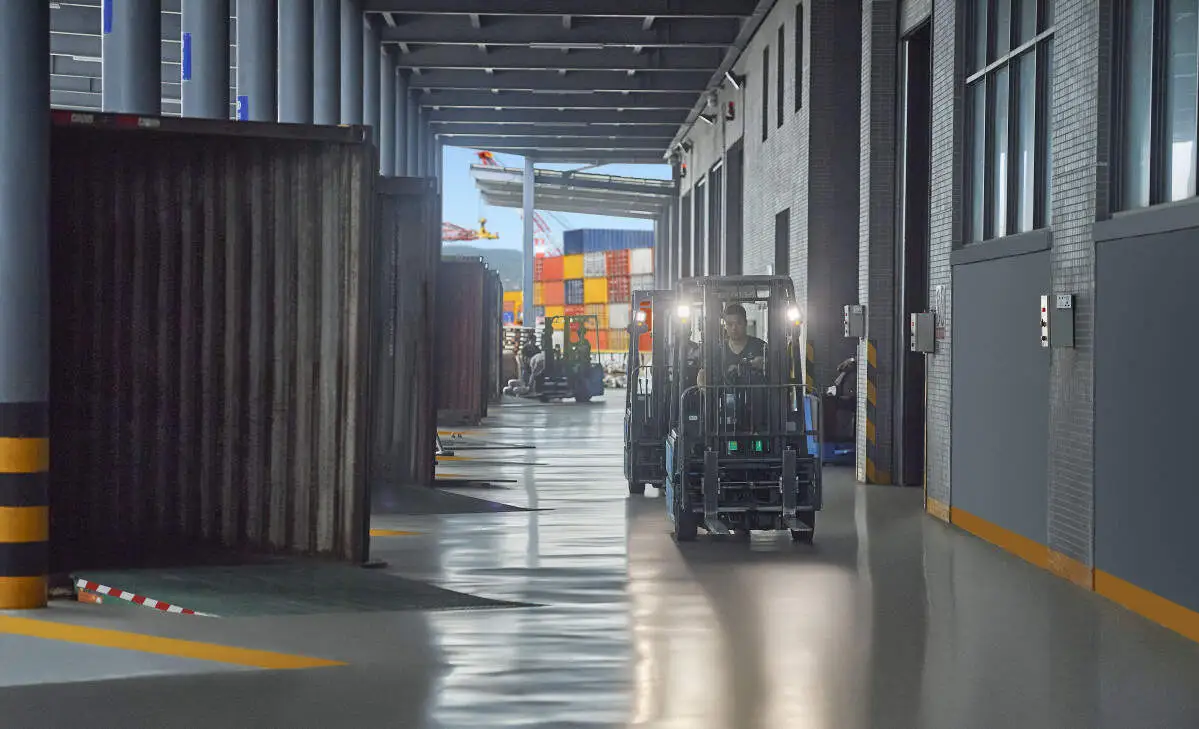
Warehouses are bustling hubs where efficient operations rely heavily on safe practices, and forklifts play a pivotal role in material handling. However, forklift-related incidents account for a significant portion of warehouse accidents, underscoring the need for robust safety measures. Proper forklift caution signs emerge as a cost-effective yet critical component of a comprehensive warehouse safety workflow, guiding operators and staff to mitigate risks at every step.
Integrating forklift caution signs into pre-operation checks sets the foundation for daily safety. Signs positioned near forklift parking areas remind operators to conduct mandatory pre-use inspections, including checks on brakes, tires, hydraulic fluids, and load-bearing components. These visual cues reinforce the first step of the safety workflow, ensuring only well-maintained equipment enters operation. Additionally, clear signs indicating weight limits and load stability guidelines prompt operators to verify load specifications before lifting, preventing overloading incidents that can lead to tip-overs or cargo damage.
In warehouse layouts with narrow aisles, pedestrian walkways, and cross-traffic zones—high-risk areas for collisions—caution signs act as constant safety guides. Bright, bold signs demarcate pedestrian-only zones, alerting forklift operators to slow down and remain vigilant for foot traffic. Directional signs with clear arrows map designated forklift routes, reducing the chance of clashes with other vehicles or stationary storage racks. Signs warning of low overhead clearance or uneven floors also help operators adjust their speed and maneuvering, ensuring safe navigation through varying warehouse terrain.
During material handling operations at loading docks and storage areas, forklift caution signs reinforce critical safety protocols. Signs stating "No Standing Under Loads" remind both operators and nearby staff to maintain a safe distance during lifting and stacking tasks, avoiding potential injury from falling cargo. "Slow Down" signs near busy loading zones encourage operators to exercise caution when positioning forklifts for loading or unloading, minimizing the risk of accidental impacts with dock equipment or pallets. These signs also serve as reminders for non-operating staff to avoid restricted areas where forklifts are actively working.
Proper caution signs also support emergency response within the warehouse safety workflow. Signs marking emergency exit routes specifically for forklift operators, along with fire extinguisher locations and spill cleanup stations, ensure operators know how to respond swiftly to incidents like fires or fluid leaks. Additionally, signs indicating "Emergency Stop" locations near key operational areas provide a clear reference for operators to halt operations immediately if a hazard arises, reducing potential damage or injury.
When integrated seamlessly into daily operations, forklift caution signs do more than just warn—they foster a culture of safety. By standardizing visual cues across all warehouse zones, facilities can reduce human error, lower accident rates, and align with safety regulations. Every sign acts as a silent safety partner, guiding operators and staff through tasks with clarity and confidence, ultimately creating a more secure and efficient warehouse environment.