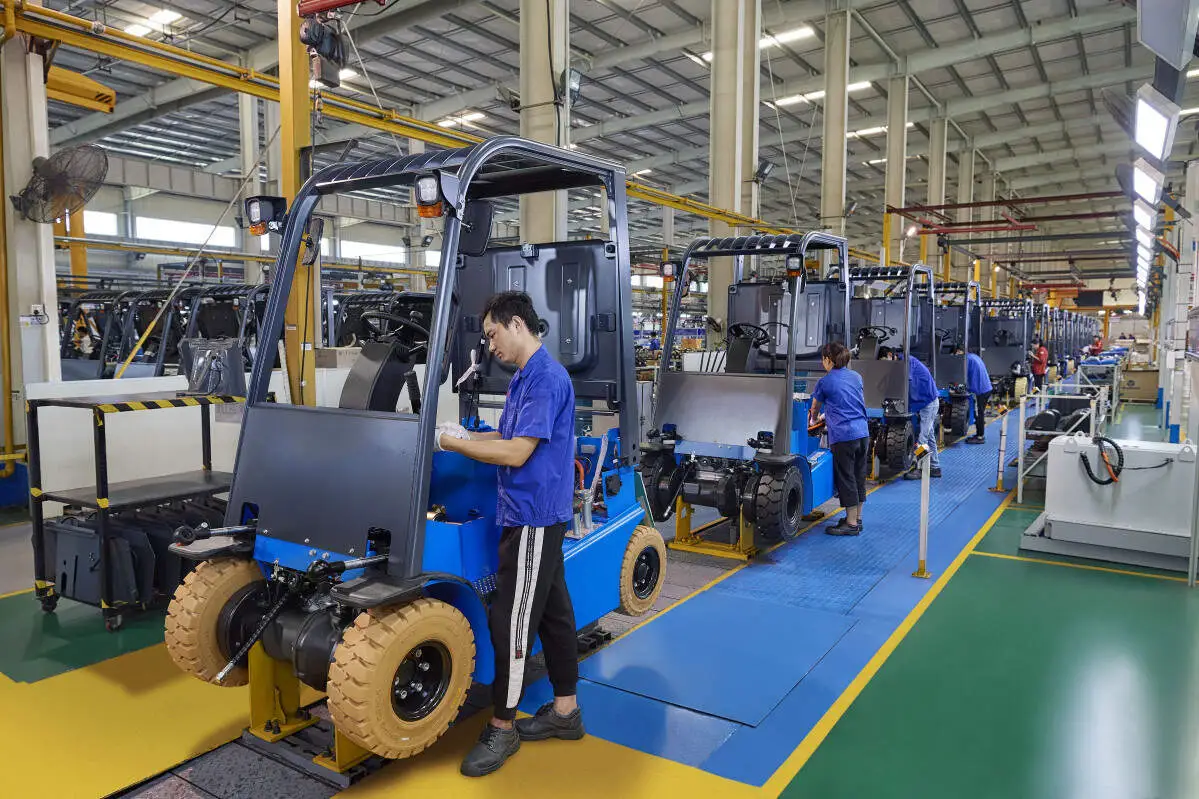
forklift drum attachments are specialized tools designed to lift and transport cylindrical drums safely in industrial settings. However, like all lifting equipment, they require thorough pre-operation inspections to mitigate risks of accidents, equipment failure, or drum damage. Conducting these checks before each use is a critical part of workplace safety protocols and helps ensure compliance with industry standards.
Start with a comprehensive visual inspection of both the attachment and the drum. Examine the entire forklift drum attachment for visible signs of damage, such as cracks, bent components, or excessive wear on lifting arms, clamps, or chains. Pay close attention to welds, as any signs of cracking or separation can compromise the attachment’s structural integrity. Next, inspect the drum itself: look for dents, leaks, or damaged rims that could prevent the attachment from securing it properly. Ensure the drum is clean and free of debris that might interfere with the clamping mechanism.
Next, verify all connection points between the attachment and the forklift. Before attaching the tool, inspect the mounting bracket and connection pins for wear, corrosion, or deformation. Make sure all pins are properly secured with retaining clips or locks to prevent accidental disengagement during operation. Check that the forklift’s lift carriage is aligned correctly and that the attachment fits securely without any gaps or looseness. After connecting, give the attachment a gentle shake to confirm it is firmly fastened to the forklift.
Then, perform functional tests of the clamping and lifting mechanisms. Operate the clamping mechanism to ensure it opens and closes smoothly without sticking or jamming. Test the pressure adjustment (if applicable) to ensure it can grip drums of different sizes securely. Lift a test drum (if available) a few inches off the ground, then lower it to verify that the attachment maintains a firm hold throughout the lifting and lowering process. Listen for unusual noises, such as grinding or squeaking, which could indicate mechanical issues that need immediate repair.
Don’t overlook the inspection of built-in safety devices. Check features like overload indicators, lockout mechanisms, or anti-slip grips to ensure they are in proper working order. Overload indicators should activate if the drum exceeds the attachment’s rated capacity, preventing overloading that could lead to structural failure. Lockout mechanisms should engage securely to keep the drum in place during transport. Ensure anti-slip components are free of wear and provide sufficient friction to prevent the drum from slipping during movement.
Finally, review relevant documentation and maintenance records. Before using the forklift drum attachment, confirm that all required maintenance has been performed according to the manufacturer’s guidelines. Check the inspection log to ensure the attachment was inspected recently and that any previous issues have been resolved. Ensure operators are familiar with the attachment’s operating manual and understand its rated capacity, proper usage, and safety procedures.
By following these pre-operation inspection steps, operators can significantly reduce the risk of accidents, protect both personnel and equipment, and maintain compliance with workplace safety regulations. Regular inspections not only extend the lifespan of the forklift drum attachment but also contribute to a safer and more efficient work environment. Remember, a few minutes spent on pre-operation checks can prevent costly downtime and potential injuries.