When it comes to equipping your industrial facility or warehouse with material handling solutions, the choice between powered industrial trucks (PITs) and forklifts often tops the procurement agenda. While these terms are sometimes used interchangeably, they represent distinct categories of equipment with unique traits that align with specific operational needs. Making an informed decision requires a clear understanding of their core characteristics, as well as a careful assessment of your facility’s requirements.
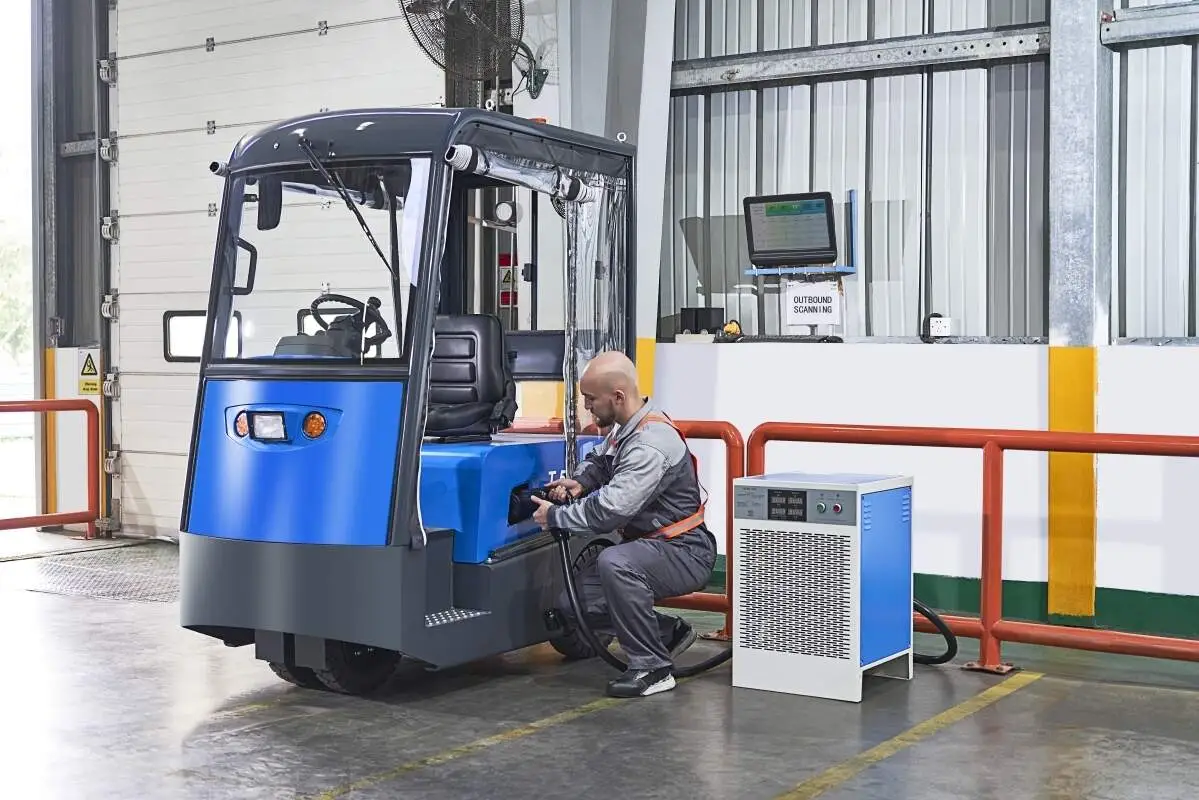
Powered industrial trucks encompass a broad range of motorized equipment designed for moving, lifting, and stacking materials. Unlike traditional forklifts, many PITs are engineered for versatility in diverse environments. For example, some models excel in narrow aisles, navigating tight spaces with compact frames and enhanced maneuverability. Others are built for outdoor use, featuring robust tires and weather-resistant components to handle uneven terrain. PITs often prioritize agility over heavy lifting capacity, making them ideal for facilities with frequent, light-to-medium load movements and varied layout configurations.
Forklifts, by contrast, are specialized lifting machines focused on heavy-duty material handling tasks. Their defining trait is the front-mounted fork system, which is optimized for lifting and stacking pallets or heavy loads to significant heights. Forklifts typically offer higher load capacities than most PITs, ranging from a few thousand pounds to tens of thousands of pounds for industrial-grade models. They are a staple in warehouses with high rack storage systems, where vertical lifting efficiency is critical. Additionally, forklifts are often equipped with advanced stability features to ensure safe operation when handling heavy loads at elevated heights.
To guide your procurement process, start by evaluating your facility’s operational environment. If your workspace includes narrow aisles, multi-level floors, or a mix of indoor and outdoor tasks, a powered industrial truck may offer the flexibility you need. Conversely, if your operations revolve around heavy pallet stacking in high-rack storage, a forklift will likely be the more efficient choice.
Next, assess your load requirements. Calculate the average weight of materials you handle, as well as the maximum height you need to reach. Forklifts are better suited for heavy loads and high lifting heights, while PITs are more cost-effective for lighter loads and shorter lifting distances.
Operational efficiency and maintenance costs are also critical considerations. PITs often have lower upfront costs and require less maintenance due to their simpler design, making them a budget-friendly option for small to medium-sized facilities. Forklifts, while more expensive initially, offer higher productivity in heavy-duty scenarios, justifying the investment for facilities with consistent high-load demands.
Finally, prioritize safety compliance. Both types of equipment require operator training, but forklifts demand more specialized certification due to their heavy lifting capabilities. Ensure your team has access to the necessary training programs before making a purchase.
In summary, the choice between powered industrial trucks and forklifts depends on a holistic evaluation of your facility’s environment, load needs, budget, and safety requirements. By aligning the unique traits of each equipment type with your operational goals, you can make a procurement decision that enhances efficiency, reduces costs, and supports long-term productivity.