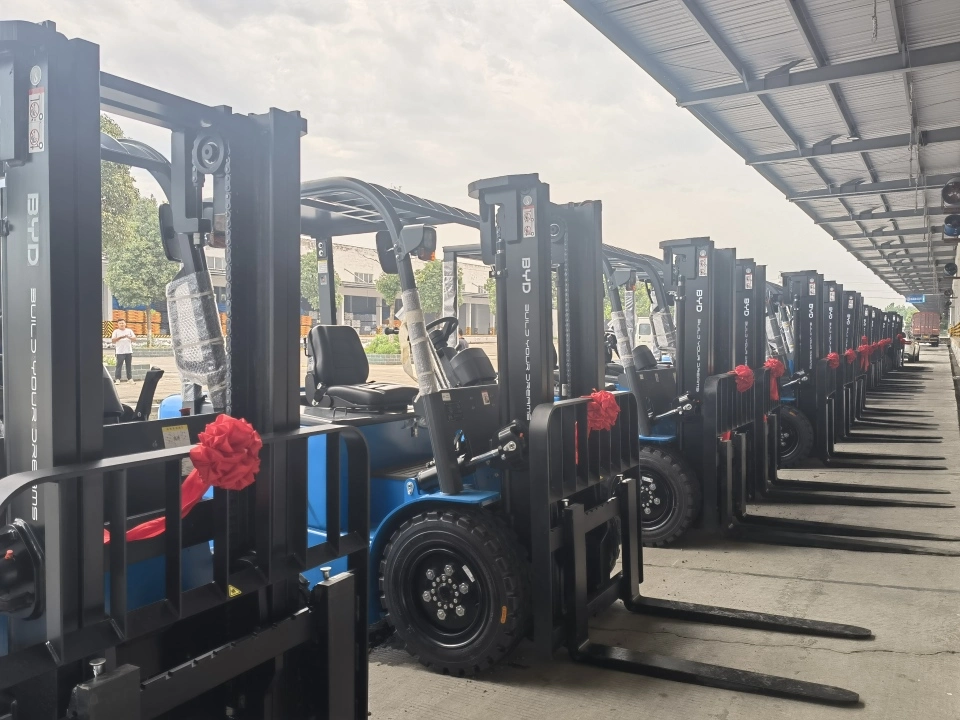
Construction and port worksites demand robust material handling solutions, and heavy-duty forklifts stand as critical assets for streamlining daily operations. Selecting the right model requires careful evaluation of site-specific needs to ensure safety, operational efficiency, and long-term value for your business.
First and foremost, assess load capacity requirements with precision. Port facilities regularly handle heavy shipping containers and bulk cargo, so forklifts must have weight-bearing capabilities that match the typical load sizes moved on-site. For construction sites, loads vary widely from heavy steel beams and prefabricated components to bags of building materials, making it essential to choose a forklift with a rating that covers the maximum expected load. Overloading not only risks premature equipment damage but also creates significant workplace safety hazards, so aligning capacity with actual needs is non-negotiable.
Terrain adaptability is another critical consideration. Construction sites often feature uneven ground, loose soil, muddy patches, or steep inclines, requiring heavy-duty forklifts equipped with rugged, deep-tread tires, enhanced suspension systems, and a stable base frame to maintain balance during operation. Port worksites, while mostly paved, may face wet or slippery surfaces due to rain or saltwater spray, so forklifts with advanced traction control are necessary to prevent skidding while moving cargo. Additionally, narrow spaces between containers in ports demand forklifts with excellent maneuverability to navigate tight quarters without disrupting workflow.
Durability and ease of maintenance are vital for minimizing downtime in high-demand environments. Both construction and port settings expose equipment to harsh conditions—dust, debris, salt air, and constant heavy use. Opt for forklifts constructed with corrosion-resistant materials, especially for port applications where saltwater can accelerate metal wear. Accessible maintenance points, such as easily reachable filters and fluid reservoirs, simplify routine checks and repairs, ensuring that the forklift can get back to work quickly if issues arise. Prioritizing durable components also extends the equipment’s lifespan, reducing long-term replacement costs.
Operator comfort and safety features should not be overlooked. Long work shifts are standard in both construction and port sectors, so ergonomic controls, adjustable seating, and unobstructed visibility can reduce operator fatigue, leading to more accurate and efficient work. Essential safety features include load stability indicators, anti-rollover protection systems, and emergency stop buttons, all of which help mitigate risks of accidents that could result in injuries, cargo damage, or operational delays. Investing in forklifts with these features demonstrates a commitment to workplace safety while boosting overall productivity.
By carefully evaluating these core factors—load capacity, terrain adaptability, durability, operator safety, and maintenance accessibility—you can select a heavy-duty forklift that aligns perfectly with the unique demands of your construction or port worksite. Taking the time to make an informed choice will not only enhance daily operational efficiency but also deliver a solid return on investment through extended equipment lifespan and reduced downtime.