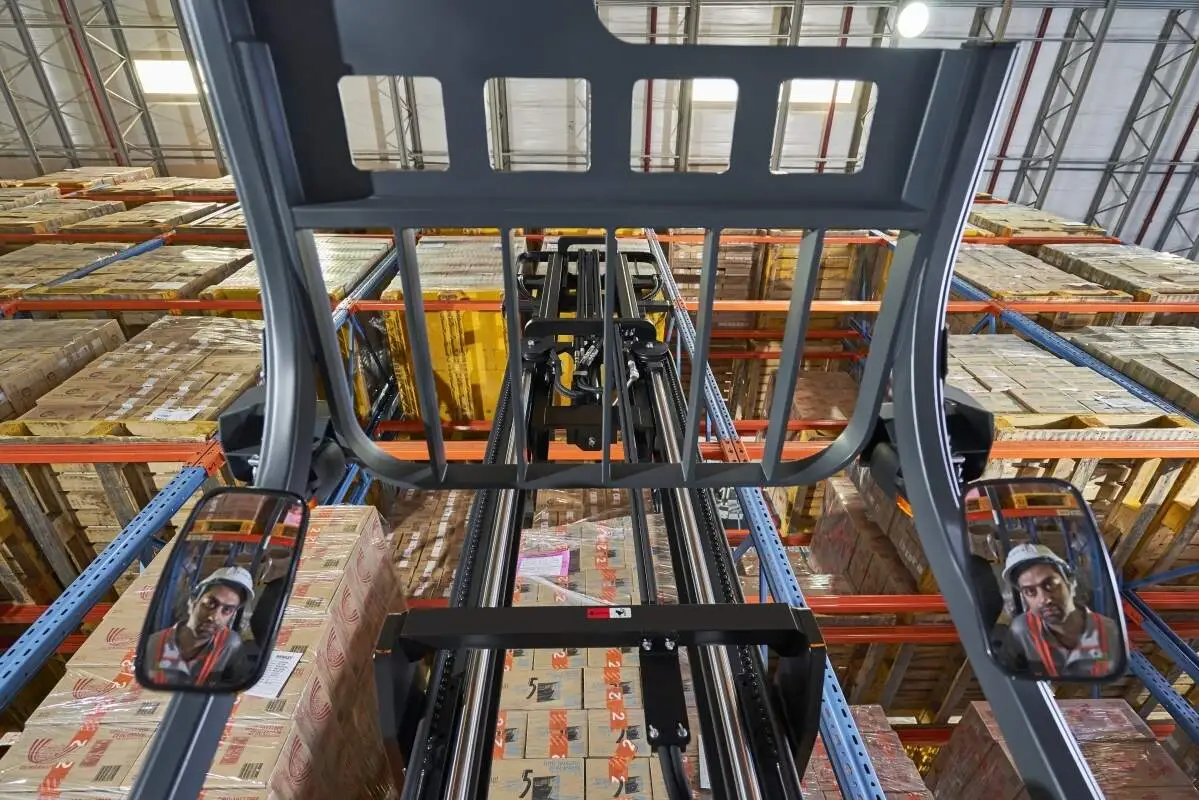
In industrial and warehouse environments, moving heavy loads efficiently is a critical operational challenge. As businesses scale their operations, the demand for reliable heavy load transport solutions continues to rise, making high capacity forklifts a cornerstone of modern material handling. Unlike standard forklifts, these specialized vehicles are engineered to handle substantial weight without compromising stability or maneuverability, addressing the needs of industries ranging from manufacturing to construction and logistics.
When evaluating high capacity forklifts for heavy load transport, it’s essential to focus on key design features that contribute to consistent performance. These include reinforced frames that distribute weight evenly, heavy-duty mast systems built to support tall lifts, and powerful engines that deliver the torque needed to transport loads across varied terrains. Advanced hydraulic systems ensure smooth lifting and lowering operations, reducing the risk of load damage and improving overall workflow efficiency. Operators also benefit from ergonomic controls that minimize fatigue during long shifts, allowing for steady performance even when handling multiple heavy loads throughout the day.
Selecting the right high capacity forklift requires a thorough assessment of specific operational needs. Factors such as maximum load weight, required lift height, working environment (indoor vs. outdoor), and terrain conditions all play a role in determining the most suitable model. For example, outdoor operations may require forklifts with robust, puncture-resistant tires and enhanced weather resistance, while indoor settings prioritize maneuverability and low emissions to maintain air quality. It’s also important to consider maintenance requirements, as regular upkeep ensures the forklift remains reliable and extends its service life over time.
Optimizing heavy load transport with high capacity forklifts also involves implementing proper operational practices. Training operators on safe lifting techniques, load balancing, and pre-shift equipment inspections is crucial to prevent accidents and ensure compliance with workplace safety regulations. Additionally, scheduling routine equipment checks and addressing minor issues promptly can avoid costly downtime that disrupts daily operations. Integrating high capacity forklifts with other material handling systems, such as pallet racks and conveyor belts, can further streamline workflows, reducing manual labor and increasing overall productivity.
In conclusion, high capacity forklifts offer a practical and efficient solution for heavy load transport in industrial settings. By selecting the right equipment based on operational needs, prioritizing operator training, and maintaining regular upkeep, businesses can enhance their material handling capabilities, reduce operational risks, and support scalable, sustainable operations. As industries continue to evolve, investing in reliable heavy load transport solutions will remain a key factor in maintaining competitive efficiency.