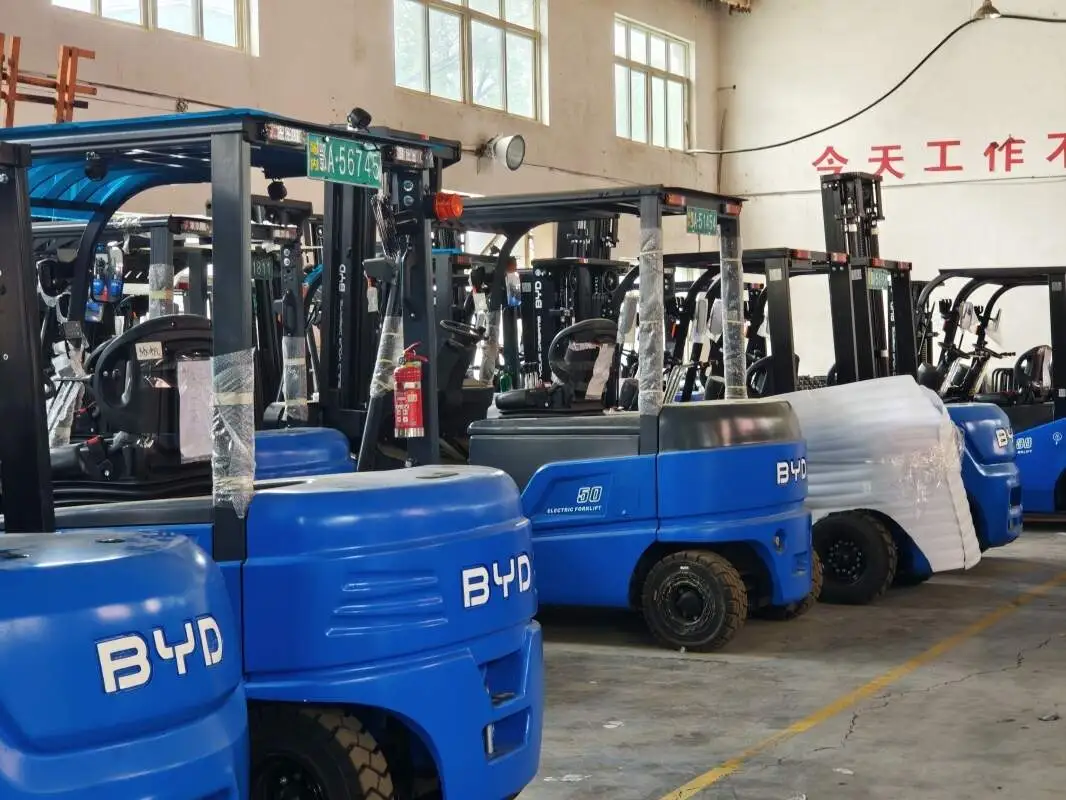
Indoor warehouses demand material handling solutions that align with strict indoor air quality regulations while maintaining consistent operational efficiency. LP (liquefied petroleum) and CNG (compressed natural gas) forklifts have become increasingly relevant in these spaces, offering a balanced alternative to electric and diesel-powered equipment.
One of the primary advantages of LP and CNG forklifts for indoor use lies in their reduced emission profiles compared to traditional diesel models. Unlike diesel engines, which produce high levels of particulate matter and nitrogen oxides, gas-powered forklifts emit significantly fewer pollutants. This makes them suitable for enclosed warehouse environments where ventilation may be limited, helping facilities meet occupational health and safety standards for air quality without sacrificing performance.
Another key benefit is their operational flexibility. LP and CNG forklifts typically offer longer run times than electric models, eliminating the need for frequent battery changes or extended charging periods. For warehouses with round-the-clock operations or high-volume material handling needs, this translates to minimal downtime and continuous workflow. Additionally, refueling a gas-powered forklift takes just a few minutes, a stark contrast to the hours required to recharge electric batteries, making it a more efficient choice for busy facilities.
LP and CNG forklifts also deliver reliable power for heavy-duty tasks. They can handle heavy loads and navigate uneven warehouse floors with ease, matching the performance of diesel models while adhering to stricter emission guidelines. This versatility makes them suitable for a range of indoor warehouse applications, from pallet stacking to loading and unloading trucks in docked warehouse areas.
However, safe indoor operation of LP and CNG forklifts requires careful attention to specific protocols. Proper ventilation is essential to prevent the buildup of gas fumes, even with their low-emission design. Warehouses should ensure adequate air exchange systems are in place, especially in confined areas. Regular maintenance of fuel systems is also critical—checking for leaks, inspecting fuel lines, and servicing engines at scheduled intervals helps prevent potential hazards and ensures consistent performance.
Facilities must also provide comprehensive training for operators, covering safe handling of fuel tanks, emergency procedures for leaks or malfunctions, and proper operation in indoor settings. This training helps minimize risks and ensures that forklift operations align with both internal safety policies and regulatory requirements.
In conclusion, LP and CNG forklifts represent a practical, efficient solution for indoor warehouse material handling. Their low emissions, extended run times, and reliable power make them a strong choice for facilities looking to balance productivity with compliance. When paired with proper safety protocols and maintenance, these gas-powered forklifts can support smooth, sustainable operations in a variety of indoor warehouse environments.