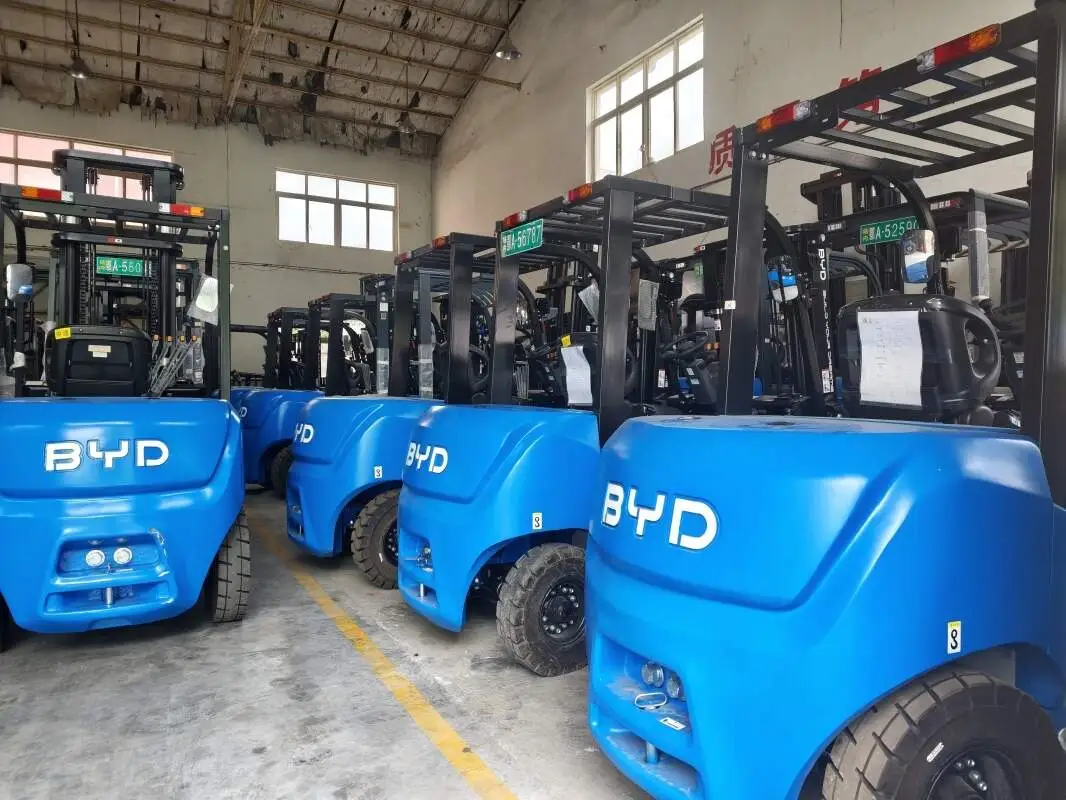
In today’s fast-paced supply chain landscape, warehouse efficiency is more critical than ever. Delays in material handling can disrupt entire operations, leading to missed deadlines and increased costs. Modern forklifts have emerged as a pivotal solution to address these challenges, offering advanced capabilities that streamline workflows and boost overall productivity.
One of the most significant advancements in modern forklift technology is the shift toward electric-powered models. Unlike traditional fuel-powered counterparts, electric forklifts produce zero emissions, making them ideal for indoor warehouse environments where air quality is a concern. They also operate with less noise, reducing workplace distractions and creating a more comfortable atmosphere for staff. Beyond environmental benefits, electric forklifts have lower maintenance requirements—fewer moving parts mean less wear and tear, resulting in reduced downtime and long-term cost savings. This reliability ensures that material handling tasks can proceed without unexpected interruptions, keeping warehouse operations on schedule.
Modern forklifts also integrate smart technology that enhances operational efficiency. Many models are equipped with telematics systems that provide real-time data on forklift performance, including battery life, usage patterns, and maintenance needs. Warehouse managers can use this data to optimize fleet allocation, ensuring that the right number of forklifts are deployed to high-demand areas at peak times. Additionally, some forklifts feature advanced navigation systems that help operators navigate narrow aisles and crowded spaces more safely and efficiently, reducing the risk of collisions and damage to goods. This level of precision allows for faster pallet movement and more accurate inventory management.
Ergonomic design is another key feature of modern forklifts that contributes to efficiency. Operators spend long hours behind the controls, and uncomfortable or poorly designed forklifts can lead to fatigue and reduced productivity. Modern models prioritize operator comfort with adjustable seats, intuitive control panels, and improved visibility. These features reduce operator fatigue, allowing them to maintain focus and perform tasks more efficiently throughout their shifts. Furthermore, enhanced safety features such as automatic braking systems and stability control reduce the risk of accidents. A safer workplace means fewer interruptions due to injuries or equipment damage, keeping operations running smoothly.
Implementing modern forklifts also enables warehouses to optimize their layout and storage solutions. Many modern forklifts are designed to handle narrower aisles and higher storage racks, maximizing vertical space utilization. This allows warehouses to store more inventory without expanding their physical footprint, which is particularly valuable for facilities with limited space. By making better use of available space, warehouses can reduce the time spent searching for and retrieving items, further streamlining material handling processes.
In conclusion, modern forklifts are more than just material handling tools—they are integral components of a streamlined, efficient warehouse operation. From electric power and smart telematics to ergonomic design and enhanced safety features, these machines offer a range of benefits that directly translate to improved productivity and cost savings. By investing in modern forklift technology, warehouse operators can stay competitive in today’s dynamic supply chain environment, ensuring that their operations run smoothly, efficiently, and safely.