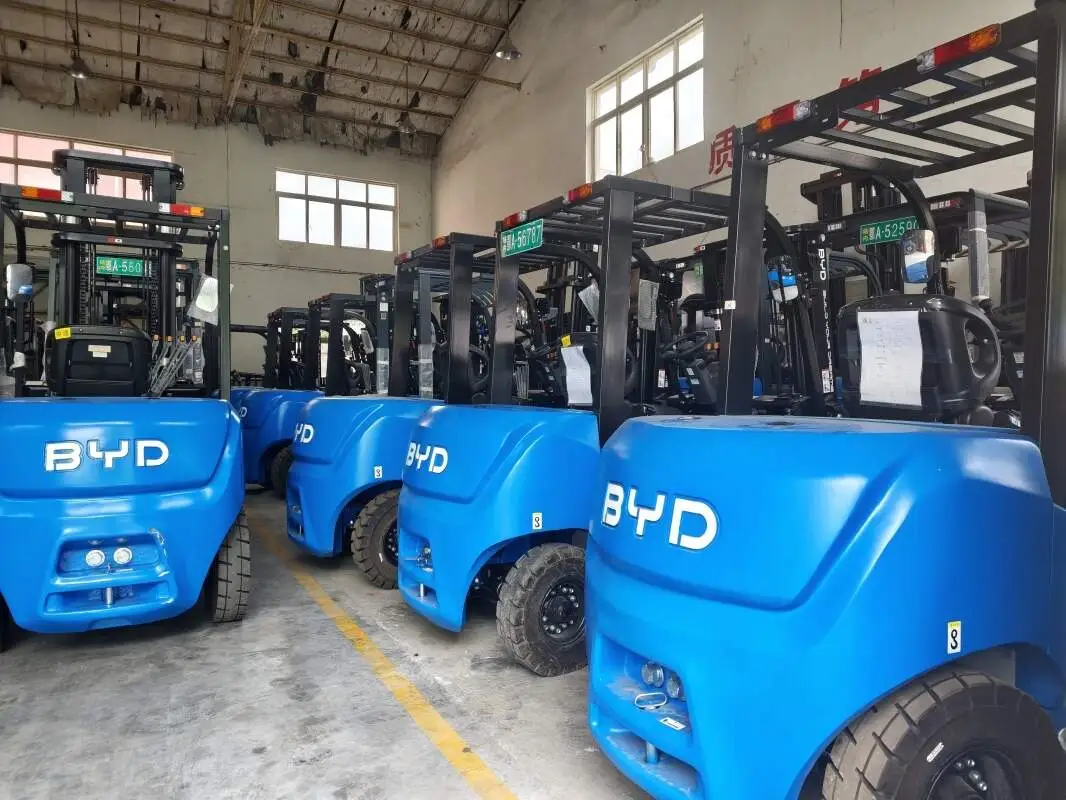
In the global food supply chain, maintaining stringent hygiene standards is non-negotiable to prevent contamination and safeguard consumer health. For food processing, storage, and distribution facilities, every piece of equipment, including material handling tools, must meet rigorous regulatory requirements. Among these tools, food grade electric forklifts play a critical role in streamlining operations while upholding the strict hygiene mandates set by the European Union (EU). This article explores the key aspects of how food grade electric forklifts comply with EU hygiene standards, from material selection to operational protocols.
The EU has established a comprehensive framework of hygiene regulations to govern food production and handling, with two core directives forming the foundation: EC 852/2004 on the hygiene of foodstuffs and EC 853/2004 laying down specific hygiene rules for food of animal origin. These regulations mandate that all equipment coming into contact with food or food contact surfaces must be designed, constructed, and maintained in a way that minimizes the risk of contamination. This includes ensuring that equipment is easy to clean and sanitize, made from non-toxic materials, and resistant to corrosion and wear that could harbor bacteria. For electric forklifts used in food settings, compliance with these directives is not just a recommendation—it is a legal requirement to operate within the EU market.
A primary requirement for food grade electric forklifts is the use of materials that meet EU food safety criteria. Unlike standard forklifts, which may use painted steel or porous plastics that can trap food residues and bacteria, food grade models prioritize non-porous, corrosion-resistant materials. Stainless steel is a staple in critical components such as forks, chassis parts, and storage compartments. Its smooth surface prevents the accumulation of dirt, food particles, and moisture, making it easy to clean and sanitize. Additionally, food-grade plastics and rubbers, approved under EU regulations, are used for seals, grips, and other non-metal components. These materials are non-toxic, do not leach harmful substances into food, and can withstand repeated exposure to cleaning agents without degrading. Every material used in the forklift must be tested to ensure it does not react with food products or create a risk of contamination.
The design and construction of food grade electric forklifts are tailored to eliminate potential hygiene hazards. Seamless welds and rounded edges are standard features, as these prevent the buildup of food debris and bacteria in crevices that are difficult to clean. Forklifts are designed to have minimal gaps between components, reducing the number of hard-to-reach areas where contaminants could hide. Waterproofing is another key consideration, especially for facilities that use high-pressure washing or operate in wet environments such as meat processing plants. Electrical components, including batteries and wiring, are sealed to prevent water ingress and protect against corrosion. Battery systems in food grade forklifts also use sealed designs to avoid leaks of electrolyte, which could contaminate food products. Some models feature elevated controls and seating to prevent operators from accidentally touching food contact surfaces with dirty footwear or clothing, further reducing cross-contamination risks.
Compliance with EU hygiene standards extends beyond the initial design of food grade electric forklifts to their ongoing maintenance and cleaning. Facilities must implement regular cleaning schedules that align with EU guidelines, including daily cleaning of forklifts after each shift. Cleaning focuses on areas that come into contact with food or packaging materials, such as forks, load backs, and storage trays. Food-grade, non-abrasive cleaners approved by EU regulators must be used to avoid damaging surfaces or leaving toxic residues. High-pressure washing and steam cleaning are often employed to remove stubborn debris, but care must be taken to avoid damaging sealed electrical components. Regular inspections are also required to check for signs of wear, corrosion, or damage that could compromise hygiene. Facilities must maintain detailed records of cleaning and maintenance activities, as these may be requested during regulatory audits to demonstrate ongoing compliance.
To ensure compliance with EU hygiene standards, food grade electric forklifts must undergo rigorous testing and certification. The CE marking is a mandatory requirement for all equipment sold in the EU, indicating that the product meets essential health and safety requirements. For food grade forklifts, additional testing may be conducted by third-party bodies to verify that materials are food-safe and that the design meets hygiene criteria outlined in EU directives. These tests may include assessments of material resistance to cleaning agents, corrosion resistance, and the absence of toxic leachates. Facilities that use these forklifts must also implement internal audits and regular checks to ensure ongoing compliance. This includes training operators on proper cleaning and maintenance procedures, as well as monitoring forklift usage to prevent cross-contamination between different food products or production zones.
Food grade electric forklifts are used across a range of food industry settings, each with unique hygiene challenges. In cold storage facilities, where temperatures are consistently low, forklifts must be designed to withstand cold conditions without compromising performance or hygiene. Sealed components prevent moisture buildup that could lead to mold growth, and materials are selected to avoid becoming brittle in low temperatures. In fresh produce warehouses, forklifts must be easy to clean quickly between shifts to avoid cross-contamination between different types of fruits and vegetables. In meat and dairy processing plants, where sanitation is paramount, food grade forklifts are often equipped with specialized features such as stainless steel forks and waterproof controls to withstand frequent high-pressure washing. In each of these settings, compliance with EU hygiene standards ensures that forklifts do not introduce contaminants into the food supply chain.
In conclusion, compliance with EU hygiene standards is essential for food grade electric forklifts to support safe and efficient food handling operations. From the selection of food-safe materials to the implementation of strict cleaning protocols, every aspect of these forklifts is designed to minimize the risk of food contamination. By adhering to EU regulations, facilities can not only avoid regulatory penalties but also enhance consumer trust in their products. As the food industry continues to evolve, the role of compliant material handling equipment like food grade electric forklifts will remain critical in maintaining the integrity of the food supply chain and ensuring that consumers receive safe, high-quality food products.