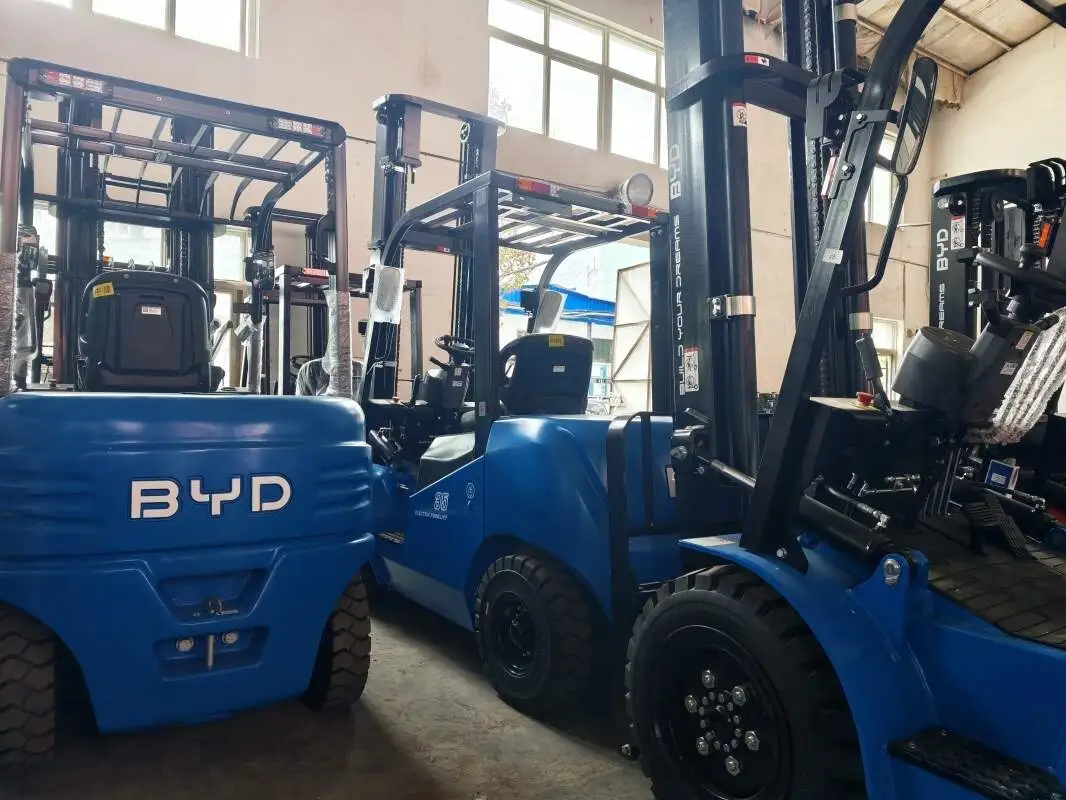
In today’s fast-paced logistics landscape, warehouses face mounting pressure to meet rising order volumes while keeping operational costs in check. Warehouse automation has emerged as a core strategy to address these challenges, and forklift automated guided vehicle (AGV) solutions stand out as a cornerstone technology for driving efficiency gains.
Operational speed and uninterrupted workflows are key benefits of forklift AGV solutions. Unlike manual forklift operations that depend on human shifts and rest periods, AGVs can operate continuously, 24/7, with minimal downtime. This uninterrupted workflow directly boosts warehouse throughput, allowing facilities to process more orders in shorter timeframes. AGVs follow pre-programmed routes optimized for efficiency, eliminating unnecessary detours that often occur with manual navigation. By maintaining a consistent pace, they streamline material handling processes, from receiving and storing inventory to picking and loading shipments.
Minimizing manual errors is another critical way AGVs enhance warehouse efficiency. Human error is a common source of inefficiency, leading to misplaced inventory, incorrect order picking, and fulfillment delays. Forklift AGVs operate using precise navigation systems, such as laser guidance or magnetic tape, ensuring accurate movement and positioning. They integrate with warehouse management systems (WMS) to receive real-time instructions, reducing the risk of misinterpretation or oversight. This accuracy not only improves order fulfillment rates but also cuts down on time and resources spent correcting errors, such as locating misplaced items or reprocessing incorrect orders.
Optimized space utilization further contributes to warehouse efficiency gains. Warehouse space is a valuable asset, and maximizing its use is key to reducing costs and improving flexibility. Forklift AGVs are designed to navigate narrow aisles and tight spaces with greater precision than manual forklifts, allowing warehouses to reduce aisle widths and increase storage density. Some AGV models can safely reach higher storage levels, enabling facilities to utilize vertical space more effectively. By optimizing both horizontal and vertical space, warehouses can store more inventory without expanding their physical footprint, leading to cost savings and improved operational agility.
Enhanced workplace safety is also a significant advantage of forklift AGV solutions. Manual forklift operations carry inherent risks, including collisions with personnel, equipment, or inventory, as well as injuries from heavy lifting. AGVs are equipped with advanced safety features, such as obstacle detection sensors, emergency stop buttons, and collision avoidance systems. These features help prevent accidents by automatically adjusting speed or stopping when obstacles are detected. Additionally, reducing the need for human operators to handle heavy materials or work in high-risk areas minimizes the likelihood of workplace injuries, creating a safer environment and reducing associated downtime and costs.
As warehouse automation continues to evolve, forklift AGV solutions will play an increasingly critical role in driving efficiency. By combining speed, accuracy, space optimization, and safety, these systems help warehouses meet the demands of modern logistics while maintaining cost-effectiveness. Implementing forklift AGV solutions is not just a technological upgrade but a strategic investment that can position warehouses for long-term success in a competitive market.