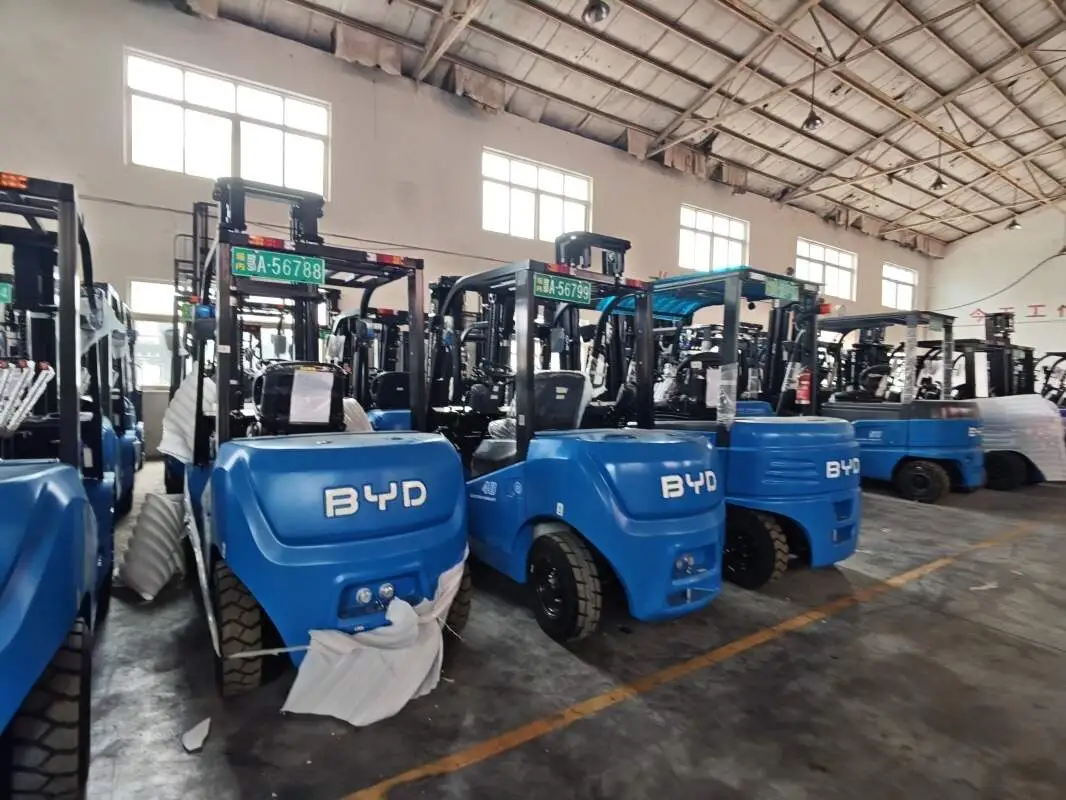
Warehouse operations rely heavily on material handling equipment to streamline daily tasks, and electric forklift trucks have emerged as a popular alternative to traditional fuel-powered models. Understanding their key advantages and disadvantages is crucial for warehouse managers looking to make informed decisions about their equipment fleet.
First, electric forklifts offer significant environmental benefits. Unlike their diesel or gasoline counterparts, they produce zero tailpipe emissions, making them ideal for enclosed warehouse spaces where air quality is a concern. This reduces the need for expensive ventilation systems and helps maintain a healthier working environment for staff.
Second, they operate at much lower noise levels. Fuel-powered forklifts generate loud engine noise that can contribute to workplace fatigue and stress. Electric models run quietly, creating a more peaceful atmosphere that can boost employee focus and productivity over long shifts.
Third, electric forklifts typically have lower long-term maintenance costs. They have fewer moving parts compared to internal combustion engines, which means less frequent repairs and no need for oil changes, filter replacements, or fuel system maintenance. This can lead to substantial savings over the lifespan of the equipment.
Fourth, electric forklifts provide smoother operation. The electric motor delivers consistent torque, resulting in precise control when lifting, lowering, or maneuvering loads. This not only reduces the risk of product damage but also makes the equipment easier for new operators to learn and master.
Despite these benefits, electric forklifts have notable drawbacks. One major issue is their higher initial purchase cost. Electric models are generally more expensive upfront than fuel-powered alternatives, which can be a barrier for small warehouse operations with limited budgets.
Another challenge is limited battery life and long charging times. Most electric forklifts require several hours to fully charge, and their runtime depends on battery capacity and usage intensity. This means warehouses need to plan for downtime or invest in extra batteries to maintain continuous operations, adding to the overall cost.
Additionally, electric forklifts rely on access to charging infrastructure. Warehouses need to install dedicated charging stations, which requires upfront investment and space. In locations with unreliable power supply, this can lead to operational disruptions if charging is interrupted.
Finally, battery performance can be affected by extreme temperatures. In very cold environments, battery capacity may decrease significantly, reducing the forklift's runtime. Similarly, high temperatures can shorten battery lifespan, requiring more frequent replacements.
In conclusion, electric forklift trucks offer clear advantages for warehouse sites in terms of environmental impact, noise levels, maintenance, and operational smoothness. However, their higher initial cost, charging limitations, infrastructure needs, and temperature sensitivity must be carefully considered. Warehouse managers should evaluate their specific operational needs, budget, and facility conditions to determine if electric forklifts are the right choice for their operations.