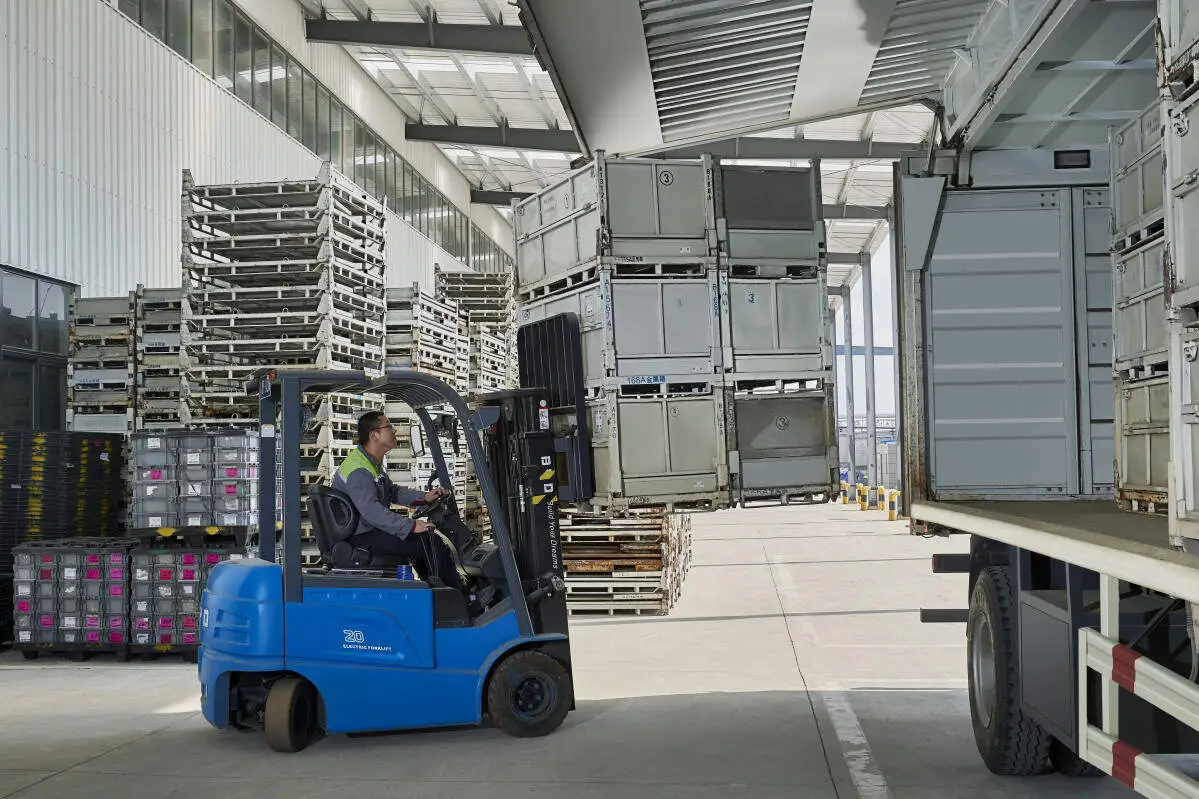
Short-term projects, from warehouse relocations and seasonal inventory surges to event setup and construction site material handling, often require specialized material handling equipment without the long-term financial commitment of purchasing. forklift lease services offer a flexible solution, but navigating the options requires careful planning to ensure you get the right equipment at the right cost. Below is practical, actionable advice to guide your short-term forklift lease decision-making.
1. Assess Your Exact Operational Requirements
Before contacting lease providers, outline your project’s specific needs. Start with load capacity: determine the maximum weight of materials you’ll move daily, as forklifts range from light-duty models for small pallets to heavy-duty units for construction materials. Next, consider the operating environment: indoor projects may require electric forklifts for low emissions, while outdoor sites need gas or diesel-powered models with rugged tires. Also, define the lease duration clearly—whether it’s a few days for an event, a few weeks for a warehouse move, or several months for seasonal peak demand. This clarity helps providers recommend the most suitable equipment and terms.
2. Evaluate Lease Term Flexibility
Short-term projects are often unpredictable, so flexibility in lease terms is critical. Look for providers that offer daily, weekly, or monthly lease options to match your project timeline. Inquire about early termination clauses: some providers allow you to end the lease early without steep penalties if your project finishes ahead of schedule. Additionally, check if you can extend the lease if the project runs over—this avoids last-minute disruptions to your operations. Avoid locking into rigid long-term contracts that don’t align with your temporary needs, as this can lead to unnecessary costs.
3. Prioritize Equipment Condition and Support Services
For short-term projects, downtime can derail timelines and increase costs. Before signing a lease, inspect the forklift’s condition: check for signs of wear and tear, verify maintenance records, and ensure all safety features (like brakes, lights, and seatbelts) are functioning properly. Ask about on-site support services: reliable providers offer 24/7 emergency repair and maintenance to minimize downtime. Some may also provide operator training if your team lacks certified personnel, which is essential for compliance with safety regulations.
4. Calculate Total Lease Costs
Don’t base your decision solely on the upfront rental rate. Calculate the total cost of the lease, which includes additional fees such as insurance, delivery and pickup charges, maintenance costs, and fuel or electricity costs (depending on the forklift type). Some providers include these fees in a flat rate, while others charge separately. Request a detailed breakdown of all costs to avoid unexpected expenses. Comparing total costs across multiple providers will help you find the most cost-effective option for your project.
5. Verify Compliance and Safety Standards
Ensure the leased forklift meets all local and national safety standards for material handling equipment. Ask the provider for proof of inspections and certifications to confirm the forklift is safe to operate. Additionally, make sure your operators are properly certified—many lease providers can connect you with training resources if needed. Non-compliance can result in fines, project delays, and safety hazards, so this step is non-negotiable.
By following these practical tips, you can select a short-term forklift lease service that aligns with your project’s needs, minimizes costs, and ensures smooth, safe operations. Whether you’re managing a small warehouse move or a large construction project, taking the time to plan and evaluate your options will help you make the most of your temporary forklift lease.