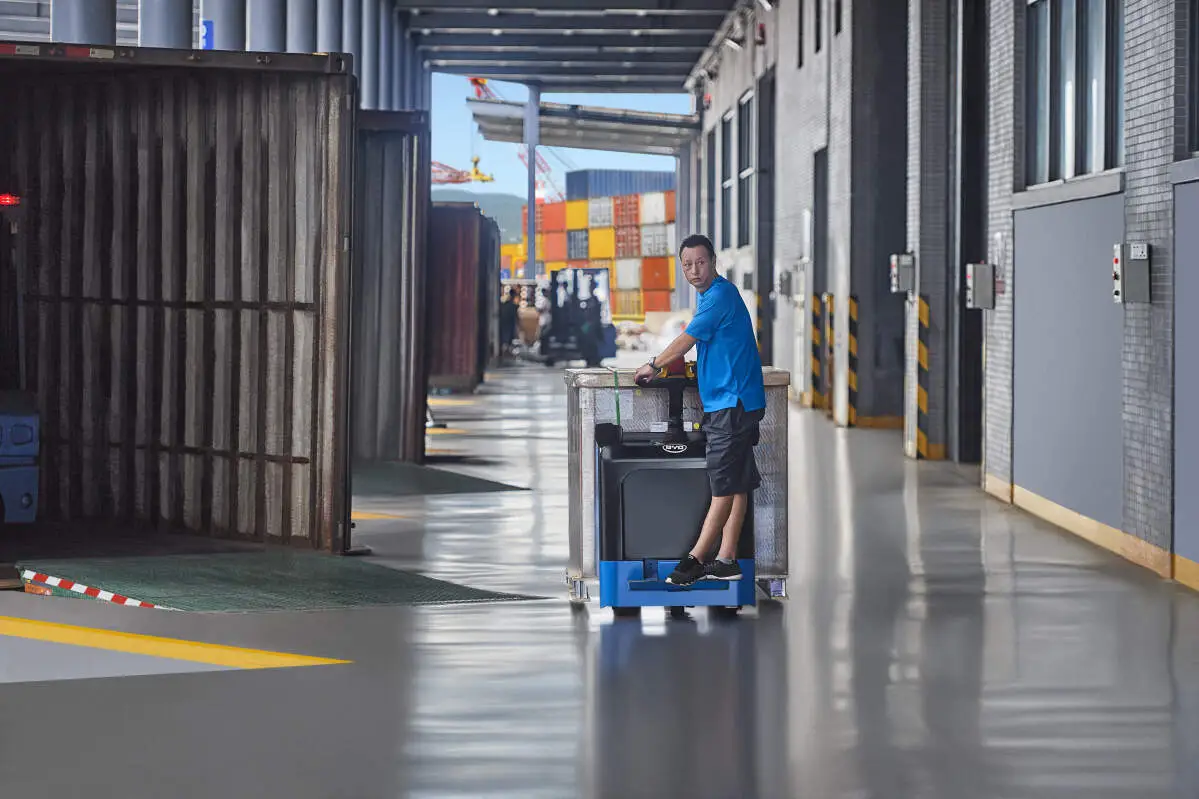
Traditional warehouse operations have long relied on manual forklift operation, which often faces challenges like limited operational hours, human error, and safety risks. As global supply chains demand greater efficiency and scalability, forklift automation has emerged as a transformative solution, reshaping core warehouse processes from inventory management to order fulfillment.
One of the most significant impacts of automated forklifts is the enhancement of operational efficiency. Unlike manual operators who need breaks, automated systems can run continuously 24/7, cutting down on downtime and accelerating throughput. With built-in sensors and navigation technologies, these forklifts can navigate narrow aisles and complex warehouse layouts with precision, reducing the risk of product damage and inventory discrepancies that are common with human-driven operations. This consistency ensures that orders are picked and shipped faster, meeting the growing expectations of customers for quick delivery.
Safety is another critical area where forklift automation brings improvement. Manual forklift operation is associated with a high risk of accidents due to operator fatigue, inattention, or misjudgment. Automated forklifts are programmed to adhere strictly to safety protocols, maintaining safe distances from personnel and other equipment, and stopping immediately if obstacles are detected. This not only reduces workplace injuries but also minimizes costly downtime caused by accidents, creating a more secure working environment for warehouse staff.
Forklift automation also revolutionizes inventory management and space utilization. Automated systems can integrate with warehouse management systems to track inventory in real time, updating records instantly as products are moved or stored. This level of accuracy eliminates the need for time-consuming manual inventory counts, reducing errors and enabling better inventory control. Additionally, automated forklifts can access higher storage levels than human operators, maximizing vertical space in warehouses and allowing businesses to store more inventory without expanding their physical footprint.
While the benefits are substantial, transitioning to automated forklifts requires careful planning. Warehouse managers need to invest in employee training to ensure staff can work alongside automated systems, monitoring operations and handling any technical issues that may arise. Integrating automated forklifts with existing infrastructure also demands careful coordination to avoid disruptions. However, the long-term gains in efficiency, safety, and scalability far outweigh these initial challenges.
In conclusion, forklift automation is not just a technological upgrade but a fundamental reshaping of traditional warehouse operations. By addressing key pain points like inefficiency, safety risks, and inventory inaccuracies, automated forklifts enable warehouses to adapt to the demands of modern supply chains. As technology continues to advance, we can expect even more innovative applications of forklift automation, further optimizing warehouse processes and driving greater value for businesses across industries.