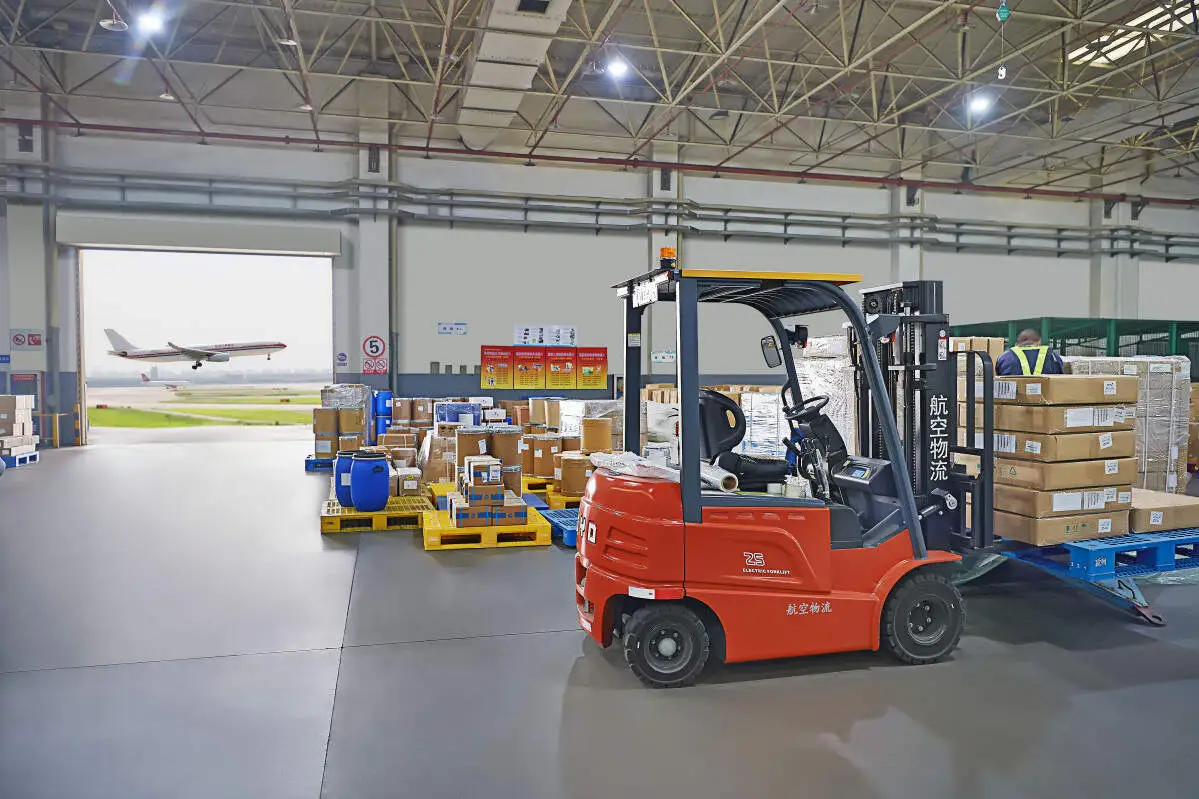
In industrial and warehouse environments, forklifts operate in a variety of lighting conditions—from dimly stocked aisles to outdoor loading docks after sunset. Upgrading a forklift-mounted light system is not just a convenience; it’s a critical step to enhance operational safety, reduce accident risks, and improve overall efficiency. Before embarking on an upgrade, there are several key considerations to ensure the investment delivers long-term value.
First and foremost, regulatory compliance is non-negotiable. Different regions and industry sectors have specific safety standards governing forklift lighting systems. These standards outline requirements for light intensity, placement, and functionality, such as mandatory forward illumination, reverse warning lights, and hazard beacons. Failing to adhere to these regulations can result in fines, operational downtime, and increased liability in case of accidents. It’s essential to research and align the upgrade with the guidelines set by local occupational safety authorities to ensure full compliance.
Next, selecting the right lighting type is crucial for meeting operational needs. LED lights have become increasingly popular due to their energy efficiency, long lifespan, and resistance to vibration—qualities ideal for the harsh conditions of forklift operation. Unlike halogen lights, which consume more power and have shorter lifespans, LEDs require less frequent replacement and reduce the forklift’s battery load. For outdoor or high-demand applications, xenon lights may offer brighter illumination, though they tend to generate more heat and have higher upfront costs. Evaluating the typical operating environment—whether it’s enclosed warehouses, outdoor yards, or mixed settings—will help determine the most suitable lighting technology.
Installation compatibility is another vital factor. The light system must be compatible with the forklift’s electrical system, including voltage requirements and wiring capacity. Improper electrical integration can lead to battery drain, short circuits, or damage to both the lights and the forklift’s onboard systems. Additionally, the placement of lights should be strategic: forward-facing lights should illuminate the path ahead without creating glare for pedestrians or other operators, while reverse lights and hazard beacons should be positioned to maximize visibility from all angles. It’s also important to ensure that light fixtures do not interfere with the forklift’s lifting mechanisms or maneuverability.
Durability and environmental resistance are key for long-term performance. Forklifts are exposed to constant vibration, dust, moisture, and occasional impacts during daily operation. The light system must be built to withstand these conditions, with robust housings and IP (Ingress Protection) ratings that indicate resistance to dust and water. Lights with higher IP ratings, such as IP67 or IP68, are better suited for outdoor or wet environments, while IP54 may suffice for dry indoor warehouses. Investing in durable fixtures reduces the need for frequent repairs and replacements, lowering long-term maintenance costs.
Finally, maintenance and operational efficiency should be part of the planning process. Regular cleaning of light lenses to remove dust and debris ensures optimal illumination, while periodic checks of wiring connections and fixtures can prevent unexpected failures. Choosing energy-efficient lighting, such as LEDs, also reduces the forklift’s power consumption, extending battery life and reducing operational costs over time. Establishing a routine maintenance schedule for the light system will help keep it in peak condition and ensure consistent performance.
By taking these considerations into account, businesses can execute a forklift-mounted light system upgrade that enhances safety, complies with regulations, and delivers long-term operational benefits. Whether operating in dimly lit warehouses or outdoor loading areas, a well-designed lighting system is an essential investment in both worker safety and operational efficiency.