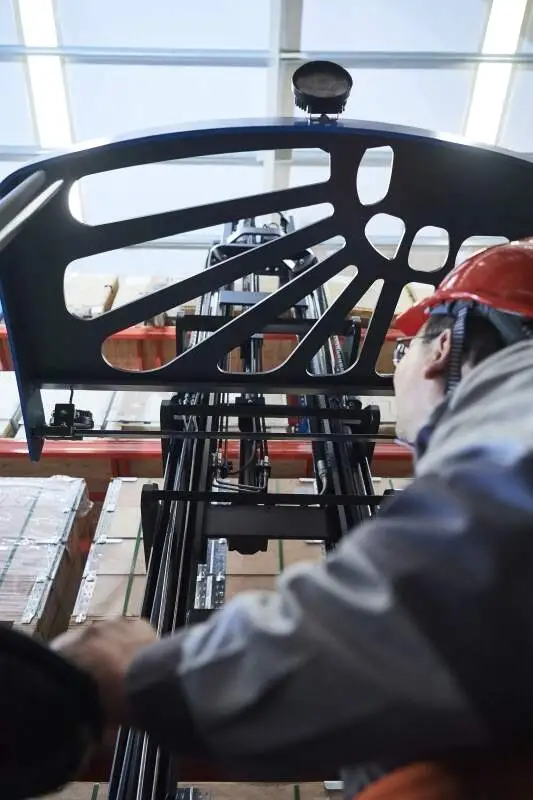
Small-scale electric lifter forklifts have become a go-to solution for businesses with limited space, light-duty material handling needs, and a focus on eco-friendly operations. Unlike traditional fuel-powered models, these compact machines produce zero emissions, operate quietly, and require less frequent maintenance, making them ideal for warehouses, retail stockrooms, and small manufacturing facilities. To ensure you select the right equipment for your operations, follow this structured buying guide.
Start by assessing your specific operational needs. First, evaluate the space where the forklift will be used. Narrow aisles or tight storage areas demand models with a small turning radius and compact frame to maneuver easily. Next, determine your typical load size and weight—most small-scale electric forklifts handle loads between 1,000 to 3,000 pounds, so match this capacity to your daily tasks. Also, consider usage frequency: if the forklift will run for multiple shifts daily, prioritize models with longer battery life or quick-charging capabilities.
Next, evaluate core performance specifications that align with your needs. Pay close attention to lifting height, as some facilities require reaching upper storage racks, while others only need ground-level or low-level lifting. Battery type is another critical factor; lead-acid batteries are more affordable upfront but require regular watering and longer charging times, while lithium-ion batteries offer faster charging, longer lifespan, and lower long-term maintenance costs. Additionally, check the forklift’s maneuverability features, such as responsive steering and adjustable controls, to ensure operator comfort and efficiency.
Compliance with safety and industry standards is non-negotiable. Verify that the forklift meets local safety regulations, which often include features like anti-slip flooring on the operator platform, seat belts, rearview mirrors, and audible reverse alarms. Look for stability systems that prevent tip-overs when lifting heavy loads or navigating uneven surfaces. Proper operator training is also a key part of compliance, so ensure your team can access resources to learn safe operation practices.
Don’t overlook total cost of ownership when setting your budget. While the upfront purchase price is important, consider long-term expenses like battery replacements, charging infrastructure, regular maintenance, and repair costs. Electric forklifts typically have lower operating costs than fuel-powered models, as electricity is cheaper than gasoline or diesel, and they have fewer moving parts that need replacement. Request quotes from multiple suppliers and compare not just the price, but also included warranty terms and after-sales support.
Finally, always test the forklift before making a purchase. Arrange a demonstration or trial period to assess how well it handles your typical tasks. Check for smooth operation, clear visibility for the operator, and ease of controls. This hands-on experience will help you confirm if the model is a good fit for your team and operational environment.
By taking these factors into account, you can make an informed decision that enhances your material handling efficiency, reduces operational costs, and supports your business’s sustainability goals.