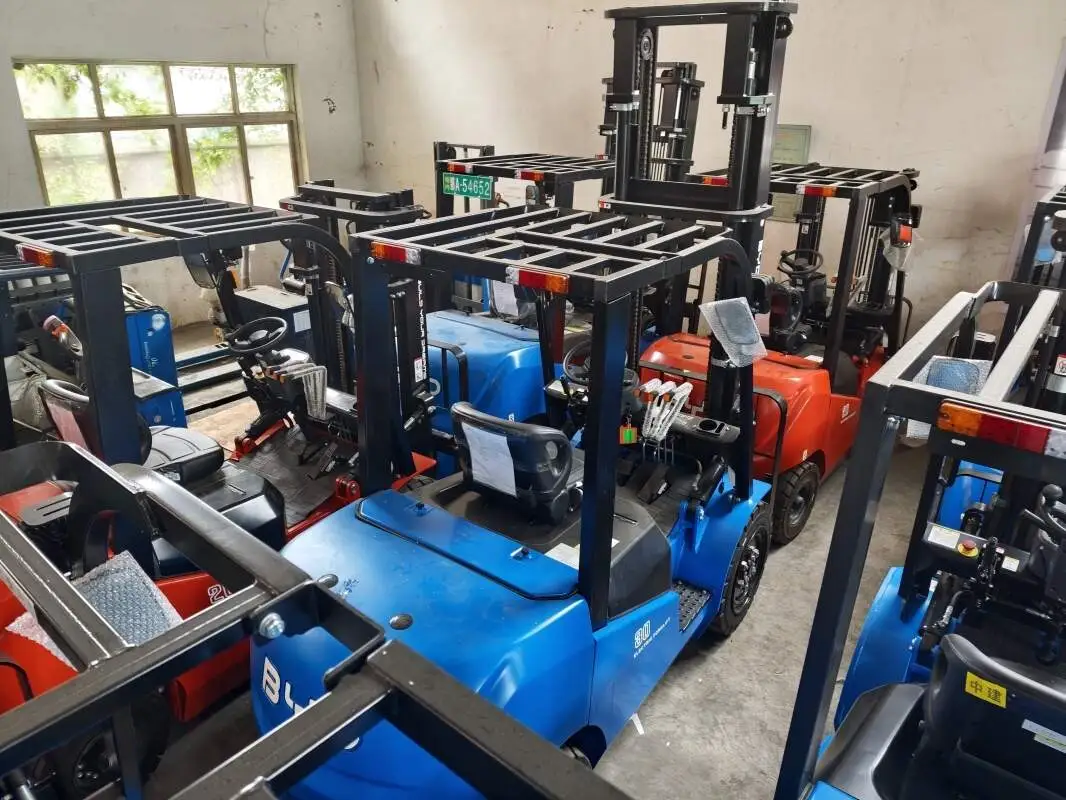
Purchasing a used forklift can be a cost-effective solution for businesses seeking to expand material handling capabilities without overextending budgets. However, overlooking critical evaluation steps may lead to investing in a unit that requires frequent repairs or fails to meet operational demands. To support informed decision-making, here are key pre-purchase evaluation points for used forklift listings.
Start with a detailed inspection of core mechanical components. The engine is the machine’s backbone; listen for unusual knocking or sputtering during idle and acceleration. Check for oil leaks around the engine block and examine oil level and quality—dirty or low oil often signals neglect. Next, evaluate the hydraulic system, which powers lifting functions. Operate the forks to test movement smoothness; jerky motions or slow response may indicate worn pumps or fluid leaks. Don’t forget to inspect tires: look for uneven wear, cracks, or punctures, as damaged tires compromise stability and increase replacement costs.
A forklift’s usage history offers critical insights into its condition. Request accurate hour meter readings—higher hours don’t inherently mean poor condition, but they should align with the machine’s age and maintenance track record. Ask for detailed maintenance records, including regular service intervals, part replacements, and major repairs. A well-documented history suggests the forklift was properly cared for. Also, inquire about the operating environment: units used in harsh settings like outdoor construction sites or chemical warehouses may have more wear than those used in indoor, smooth-surface warehouses.
Safety features demand top priority during evaluation. Test both foot and parking brakes to ensure firm engagement and reliable stopping power. Verify functionality of all lighting components—headlights, taillights, turn signals, and hazard lights—as proper visibility is essential for safe operation. Inspect protective features like overhead guards, seatbelts, and load backrests to confirm they are intact and meet basic safety standards. Missing or damaged safety components should be addressed before finalizing a purchase.
Assess the forklift’s exterior and structural integrity for damage or corrosion. Look for dents, cracks, or bent sections on the frame, as structural damage can weaken load-bearing capacity and pose safety risks. Examine forks for bending, cracking, or excessive wear—worn forks increase the risk of load instability during lifting. Check the mast for smooth operation and signs of misalignment, which could lead to lifting issues over time.
Finally, conduct a comprehensive test drive in a safe, open area. Evaluate steering responsiveness, acceleration, and deceleration to gauge overall handling. Lift and lower loads of varying weights to test hydraulic system efficiency and stability. Pay attention to how the forklift navigates turns and rough surfaces, as this can reveal suspension or steering component issues. Listen for unusual noises that may not have been apparent during idle inspection.
By thoroughly evaluating these key points, you can reduce the risk of investing in a used forklift that fails to meet business needs or incurs unexpected repair costs. Taking the time to inspect each component, review documentation, and test performance ensures you select a reliable, efficient machine that supports long-term operational goals.