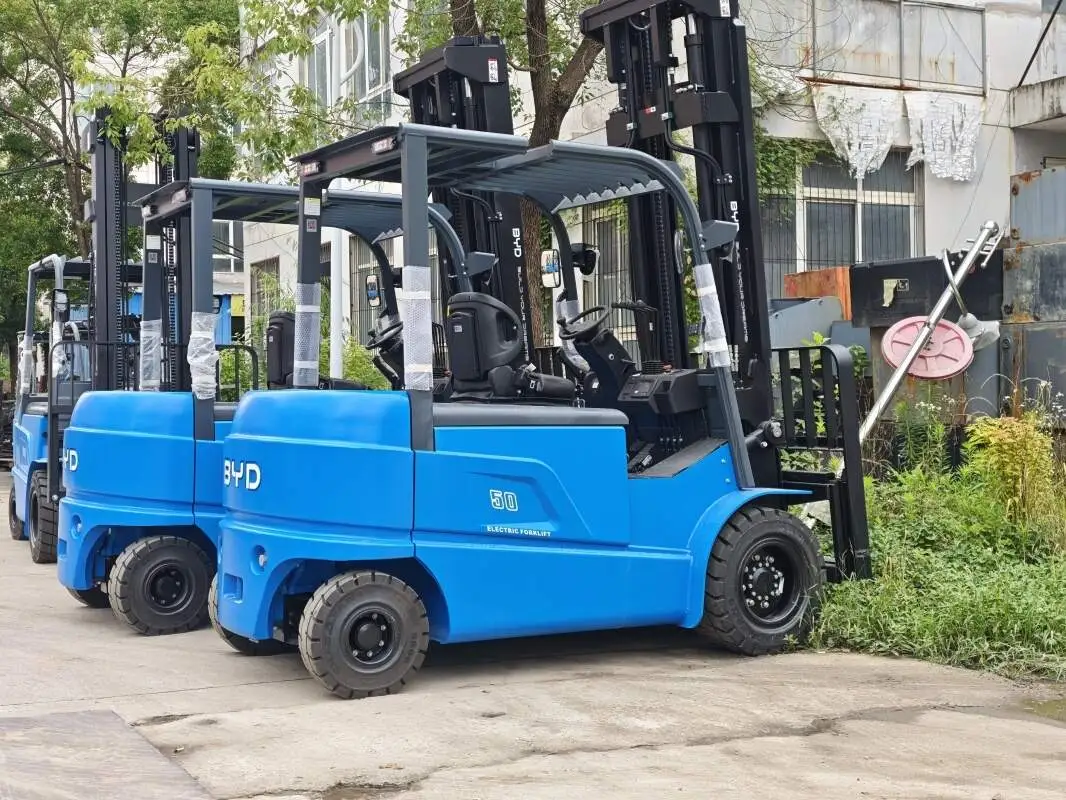
Forklifts are essential workhorses in warehouses, distribution centers, and manufacturing facilities, where safe and efficient operation directly impacts productivity and workplace safety. A critical component of modern forklifts is their display panel, which uses a range of standardized symbols to communicate real-time machine operational conditions to operators. These symbols serve as a direct line of communication between the forklift’s internal systems and the operator, enabling quick, informed decisions to prevent accidents, minimize downtime, and extend equipment lifespan.
Warning symbols are among the most critical display indicators, designed to alert operators to potential hazards before they escalate. For example, a battery icon with a low charge symbol signals that the forklift’s power source is running low, prompting the operator to schedule a recharge to avoid unexpected shutdowns during critical tasks. A temperature gauge icon flashing red indicates overheating in the engine or hydraulic system, which requires immediate attention to prevent component damage. Other warning symbols may alert operators to issues like low hydraulic fluid levels, brake system malfunctions, or unstable load conditions, all of which pose significant safety risks if ignored.
Beyond immediate warnings, forklift displays also feature fault diagnosis symbols that provide insights into underlying mechanical or electrical issues. These symbols often appear alongside alphanumeric codes, offering specific details about problems such as a faulty fuel injector, a malfunctioning sensor, or a blocked air filter. When these symbols appear, operators are instructed to stop the forklift in a safe location and notify maintenance teams, allowing for targeted repairs that reduce unplanned downtime. By understanding these symbols, operators can distinguish between minor issues that require monitoring and major faults that demand immediate action.
Operational status symbols play a key role in guiding day-to-day forklift use, helping operators maintain optimal performance and compliance with safety protocols. Symbols indicating forward or reverse gear modes ensure operators are aware of the forklift’s movement direction, reducing the risk of collisions with pedestrians or other equipment. A load weight indicator symbol shows when the forklift is approaching its maximum capacity, preventing overloading which can lead to tip-overs or structural damage. Additionally, symbols for activated safety features like speed limiters or seatbelt reminders reinforce safe operating practices, ensuring operators adhere to workplace guidelines.
To fully leverage these display symbols, operators must receive comprehensive training on their meanings and appropriate responses. Regular refresher courses help keep knowledge up to date, especially as new forklift models with advanced display systems are introduced. Facilities should also provide quick-reference guides near forklift stations, allowing operators to cross-check symbols if they encounter an unfamiliar indicator. By investing in operator training, businesses can reduce the risk of human error and ensure that forklift display symbols are used effectively to maintain a safe and efficient work environment.
In conclusion, forklift display symbols are more than just icons on a screen—they are vital tools that bridge the gap between machine performance and operator awareness. By alerting operators to warning conditions, fault diagnoses, and operational statuses, these symbols enhance workplace safety, reduce equipment damage, and boost overall productivity. As forklift technology continues to evolve, the importance of understanding and responding to these symbols will only grow, making operator training and symbol literacy essential components of any successful material handling operation.