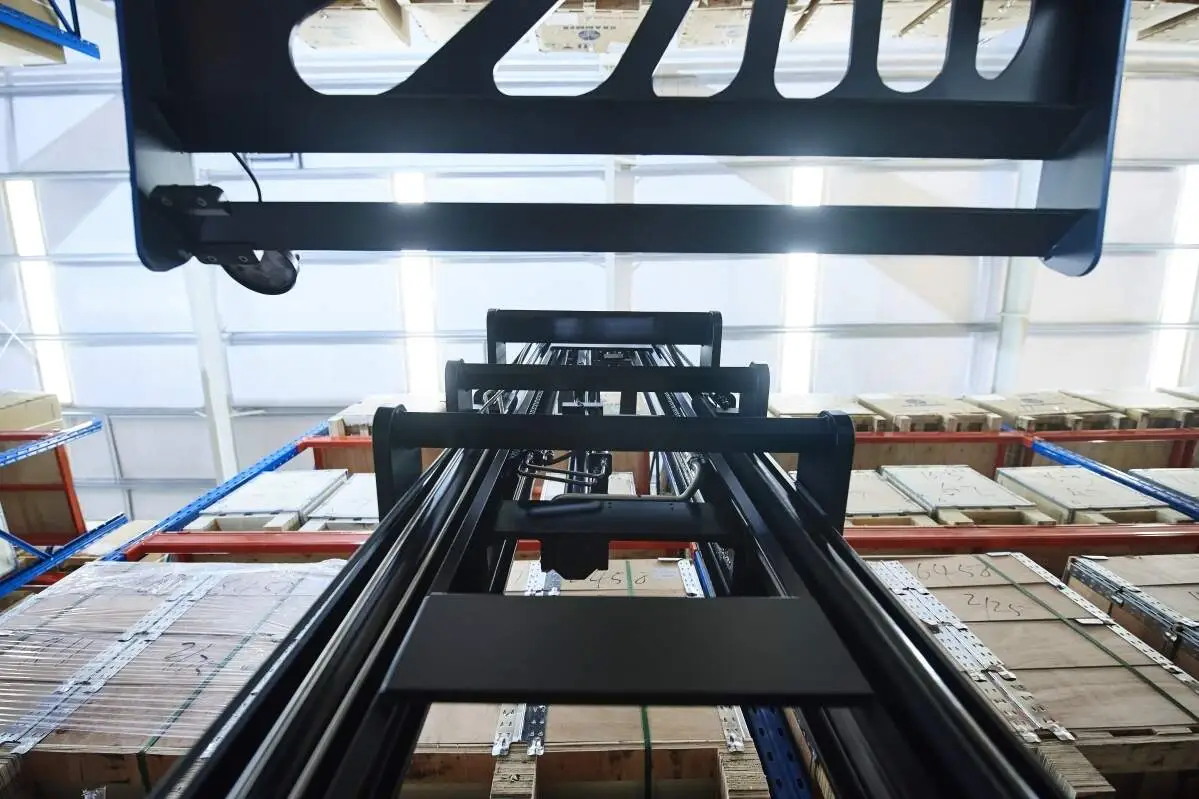
electric forklifts are indispensable tools in warehouses and distribution centers, streamlining material handling operations. However, one persistent safety hazard is falling loads, which can lead to equipment damage, workplace injuries, and operational downtime. A key factor in preventing such incidents is ensuring proper backrest height compliance, an often-overlooked aspect of forklift safety.
The backrest of an electric forklift serves as a critical barrier between the lifted load and the operator or surrounding areas. When the backrest height is insufficient, unstable loads—especially those with uneven weight distribution or loose packaging—are more prone to tipping backward during lifting, transport, or stacking. Compliance with established backrest height standards ensures that the backrest extends high enough to contain the load, even when it shifts slightly. These standards are typically set by occupational safety organizations, taking into account common load sizes, weight capacities, and typical operating conditions to maximize protection.
Achieving backrest height compliance starts with understanding the specific requirements for your electric forklift model and the types of loads you handle. First, operators should consult the forklift’s operating manual to identify the recommended backrest height for different load configurations, as taller or heavier loads may require an extended backrest. Regular inspections are also essential; over time, backrests may become bent or misaligned due to wear and tear or accidental impacts, reducing their ability to contain loads. Maintenance teams should check backrest height periodically and make adjustments or repairs as needed to ensure it meets compliance standards.
Additionally, training programs play a vital role in sustaining compliance. Operators should be educated on recognizing signs of non-compliant backrest heights, such as gaps between the backrest and the top of the load, and the potential risks associated with operating a forklift under such conditions. They should also learn how to adjust the backrest correctly, if the forklift model allows, to match the load’s height.
While backrest height compliance is crucial, it should be part of a comprehensive load safety strategy. Operators should also ensure loads are properly secured, balanced, and within the forklift’s weight capacity. Using appropriate attachments, such as load stabilizers, can further reduce the risk of falling loads. Regular safety audits can help identify gaps in compliance and address them proactively, creating a safer work environment for all personnel.
In conclusion, backrest height compliance is a fundamental component of electric forklift safety that directly reduces the risk of falling loads. By adhering to established standards, conducting regular inspections, and providing proper operator training, businesses can minimize safety incidents, protect their workforce, and maintain efficient, uninterrupted operations. Prioritizing this often-overlooked safety measure is an investment in both employee well-being and long-term operational success.