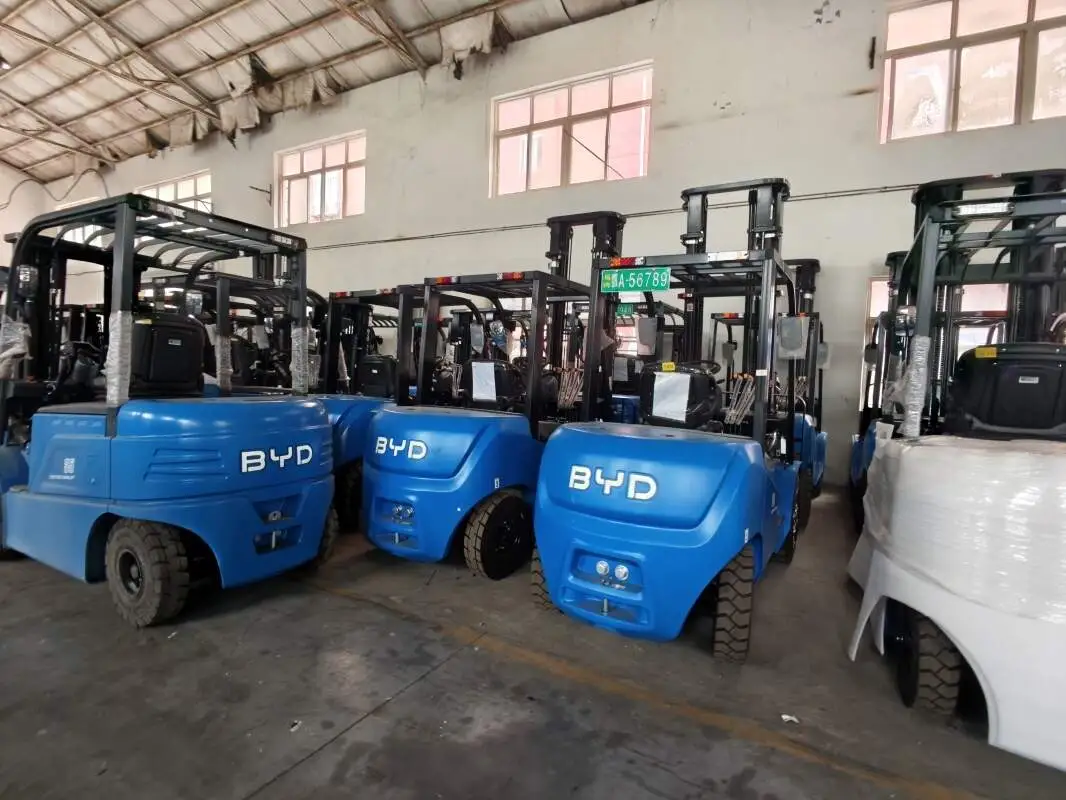
For B2B equipment purchasers operating in industrial logistics, manufacturing, and warehouse sectors, selecting the right forklift partner is a critical decision that directly impacts operational efficiency and long-term cost management. The global forklift manufacturers landscape is diverse, shaped by regional strengths, technological priorities, and a focus on product segments that address specific industry challenges.
Regional players form distinct clusters across the globe. In North America, manufacturers tend to emphasize robust, heavy-duty models designed for outdoor and high-load applications, alongside growing investment in electric variants to meet stringent emissions regulations. European manufacturers lead in sustainable technology, with a strong focus on battery-powered forklifts and energy-efficient systems, catering to markets with strict environmental standards. The Asia-Pacific region stands as a major production hub, combining high-volume manufacturing capabilities with rapid adoption of smart logistics technologies, offering cost-effective solutions for both domestic and international buyers.
Product specialization further defines the landscape. Some manufacturers focus on narrow-aisle forklifts optimized for dense warehouse operations, while others prioritize rough-terrain models for construction and outdoor industrial sites. electric forklifts, including lithium-ion battery-powered options, have emerged as a fast-growing segment, driven by the need to reduce carbon footprints and lower operational costs over time. Purchasers must align their choice with operational requirements—whether it’s heavy lifting capacity, maneuverability in tight spaces, or compatibility with green initiatives.
Technological innovation is reshaping manufacturer offerings. Automation features such as self-driving capabilities and fleet management systems are becoming more prevalent, enabling purchasers to streamline warehouse operations and improve safety. Predictive maintenance tools, integrated into modern forklifts, help reduce downtime by alerting operators to potential issues before they escalate. For B2B buyers, evaluating a manufacturer’s investment in these technologies is key to future-proofing their equipment fleet.
When navigating the global market, B2B purchasers should prioritize several factors beyond product specifications. Local support and after-sales service are essential to minimize downtime, as timely repairs and spare parts access can significantly impact productivity. Compliance with international safety standards ensures that equipment meets regulatory requirements across different regions. Additionally, flexible customization options allow purchasers to tailor forklifts to unique operational needs, from specialized attachments to ergonomic operator features.
By understanding the global forklift manufacturers landscape—from regional strengths to technological trends—B2B equipment purchasers can make informed decisions that align with their operational goals, budget constraints, and sustainability targets. Taking the time to evaluate each manufacturer’s offerings, support infrastructure, and innovation roadmap ensures a partnership that delivers long-term value and operational excellence.