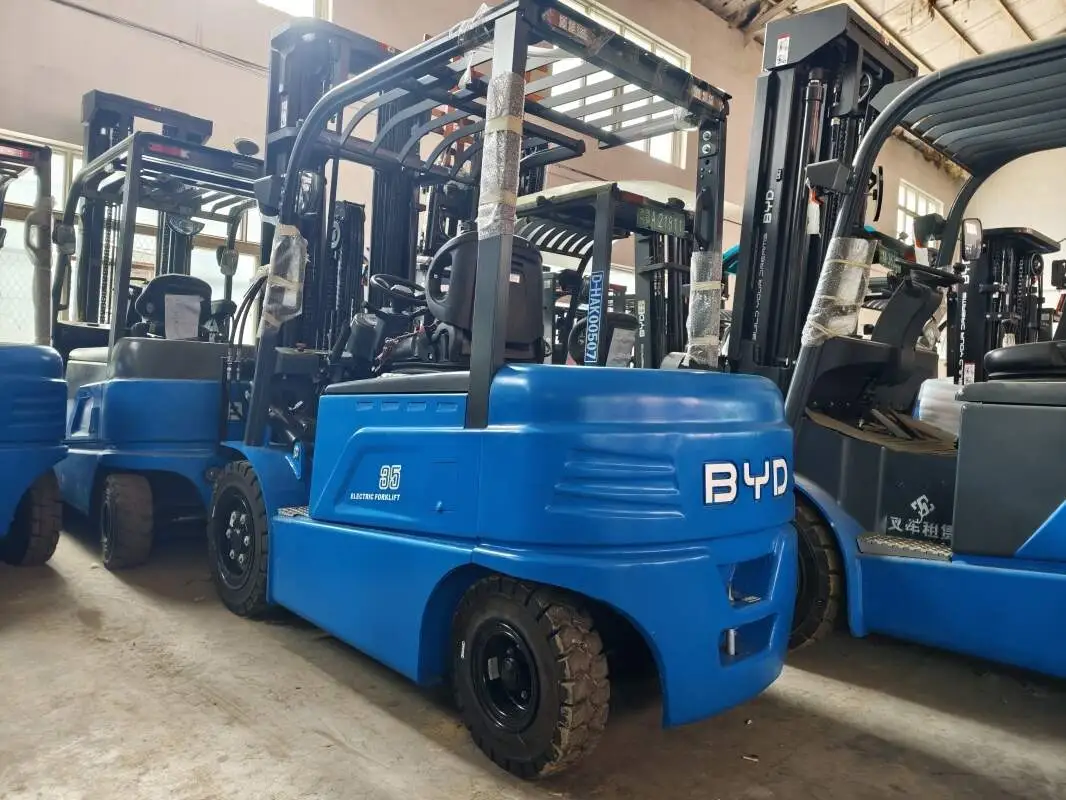
In fast-paced warehouse and logistics operations, forklifts are workhorses that keep supply chains moving. Even a short period of downtime can disrupt schedules, delay deliveries, and increase operational costs. That’s why having efficient maintenance and repair processes is crucial, and a forklift parts diagram plays a central role in achieving this goal.
One of the primary benefits of a forklift parts diagram is its ability to support quick component identification. Forklifts are complex machines with hundreds of interconnected parts, ranging from hydraulic cylinders and transmission components to electrical wiring and brake assemblies. Without a clear reference, technicians may spend hours trying to locate a specific part, especially when dealing with less familiar models. A well-designed parts diagram labels each component with a unique number and corresponding name, allowing technicians to cross-reference the diagram with the physical machine. This eliminates guesswork: if a hydraulic leak is detected, the diagram can quickly point to the exact hose, valve, or cylinder that needs inspection, cutting down the time spent on identification significantly.
Beyond identification, a forklift parts diagram streamlines the repair process itself. When a component needs replacement or repair, the diagram provides visual guidance on how parts fit together, including their orientation and connection points. This is particularly valuable for complex systems, such as the forklift’s lift mechanism, where incorrect assembly can lead to further damage or safety hazards. Technicians can use the diagram to plan the repair steps in advance, gather the necessary tools and replacement parts before starting work, and ensure that each step is completed correctly. For example, if a forklift’s steering system malfunctions, the diagram can show how the steering gear, tie rods, and wheel hubs are interconnected, helping technicians diagnose the root cause and execute repairs without unnecessary disassembly of unrelated parts.
Forklift parts diagrams also contribute to consistent maintenance practices, especially for teams with varying levels of experience. New technicians can use the diagram to familiarize themselves with the machine’s layout, while experienced technicians can rely on it to confirm details of less commonly repaired components. This reduces the risk of human error and ensures that repairs are performed to the same standard across the team. Additionally, when ordering replacement parts, the diagram’s part numbers allow for accurate ordering, preventing delays caused by incorrect parts being shipped.
In conclusion, a forklift parts diagram is an indispensable tool for any operation that relies on forklifts. By enabling quick component identification, streamlining repair processes, supporting consistent maintenance, and reducing downtime, it directly contributes to the efficiency and reliability of forklift operations. Investing in clear, up-to-date parts diagrams can help businesses minimize operational disruptions, lower maintenance costs, and keep their supply chains running smoothly.