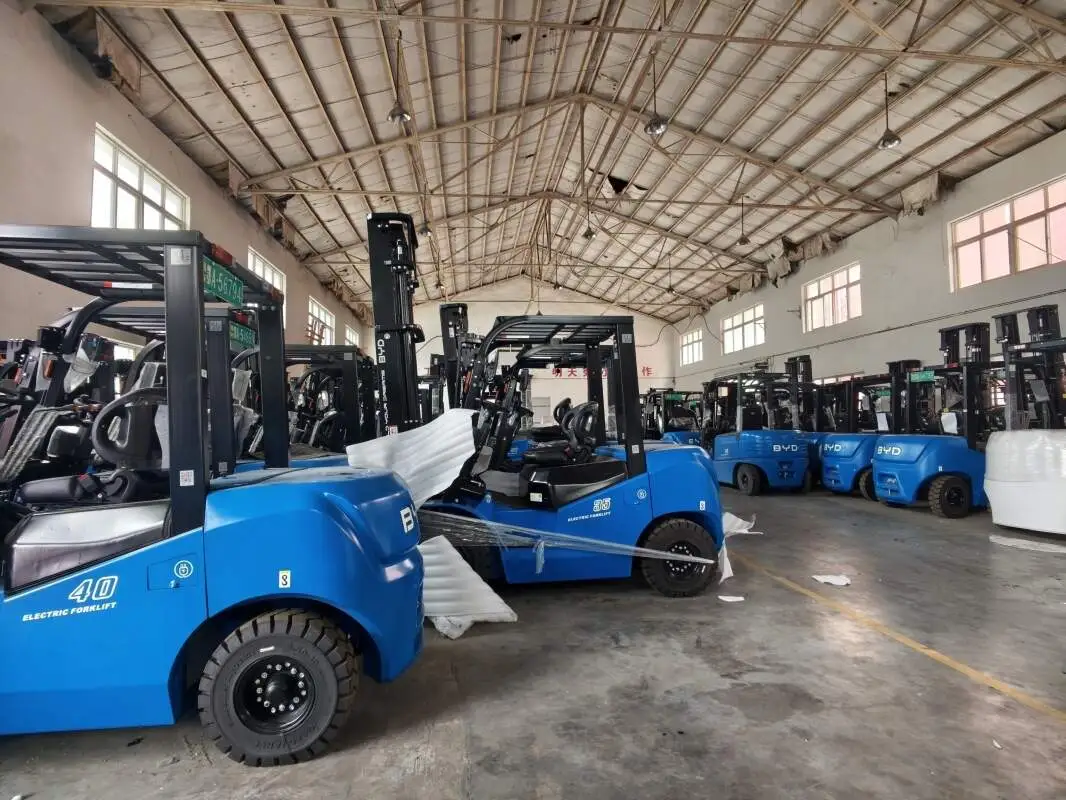
Warehouses rely on precise load weight management to maintain smooth operations, reduce risks, and keep inventory records accurate. forklift scales, integrated directly into forklift equipment, have emerged as a valuable tool to address these needs, eliminating the need for separate weighing stations and streamlining daily tasks.
One key benefit of forklift scales is enhanced inventory accuracy. Without dedicated weighing tools, warehouse staff often estimate load weights, leading to discrepancies in inventory records. Forklift scales provide real-time weight measurements as loads are lifted, ensuring each item’s weight is logged accurately into inventory systems. This precision reduces overcounting or undercounting errors, which can cause stockouts, overstocking, and financial losses. For example, when receiving incoming goods, staff can verify that delivered weights match purchase orders immediately, preventing disputes with suppliers and ensuring inventory data is up-to-date.
Load safety compliance is another critical advantage. Overloading forklifts is a major safety hazard in warehouses, increasing the risk of tip-overs, equipment damage, and worker injuries. Forklift scales alert operators when a load exceeds the forklift’s rated capacity, allowing them to adjust the load before moving it. This not only protects personnel and equipment but also helps warehouses comply with occupational safety regulations that mandate proper load handling. By maintaining load limits, warehouses reduce the likelihood of costly accidents and regulatory penalties.
Operational efficiency also gets a significant boost from forklift scales. Traditional weighing methods require transporting loads to a separate scale, adding extra steps to the workflow. Forklift scales eliminate this extra movement, allowing staff to weigh loads while performing routine tasks like loading, unloading, or moving inventory. This saves time and reduces labor costs, as fewer trips are needed to weighing stations. For high-volume warehouses, even small time savings per load can add up to significant operational improvements over the course of a day, enabling teams to handle more tasks without increasing staffing levels.
Modern forklift scales also support data-driven decision making by integrating with warehouse management systems (WMS), transmitting weight data directly to centralized databases. This data can be analyzed to identify patterns, such as peak load times, common load weights, or areas where overloading occurs frequently. Warehouse managers can use this information to optimize storage layouts, adjust forklift schedules, and implement training programs for staff. For instance, if data shows that certain aisles have frequent overloading incidents, managers can add clear capacity signs or reallocate heavier items to more suitable storage areas.
In conclusion, forklift scales are a versatile solution that enhances multiple aspects of warehouse load weight management. By improving inventory accuracy, ensuring safety compliance, boosting operational efficiency, and enabling data-driven decisions, these tools help warehouses operate more smoothly and cost-effectively. As warehouses continue to prioritize efficiency and safety, integrating forklift scales into daily operations will become an increasingly common practice to meet evolving industry demands.