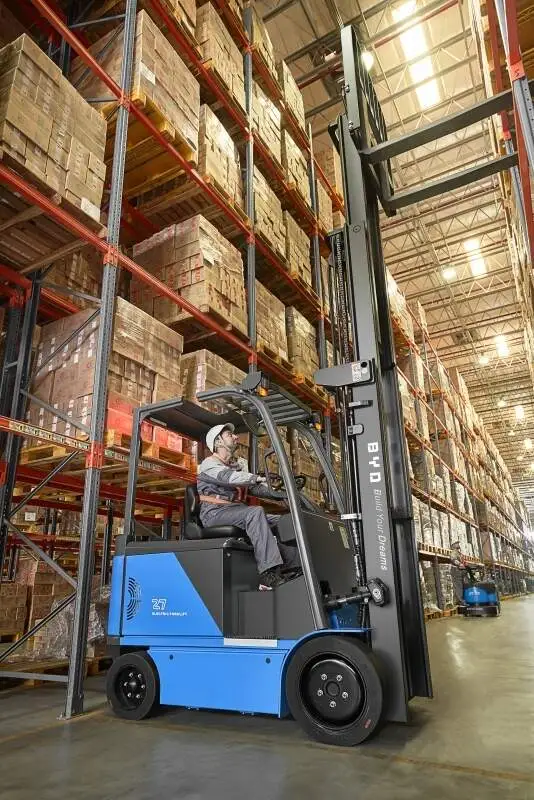
In the United Kingdom’s industrial and logistics sectors, new forklifts are essential assets for streamlining material handling operations. Understanding the various elements that influence their pricing helps businesses make informed purchasing decisions aligned with their budget and operational needs.
One of the primary drivers of new forklift pricing is specifications and performance capabilities. Forklifts vary significantly in load capacity, lift height, and power source. Models designed for heavy-duty tasks, such as lifting 10 tonnes or more to high warehouse racks, naturally command higher prices than compact units suited for light-duty indoor work. Electric-powered forklifts, while offering long-term cost savings through lower fuel and maintenance expenses, often have a higher upfront price tag compared to their diesel counterparts due to advanced battery technology and charging infrastructure requirements.
Compliance with UK and European regulatory standards also plays a crucial role in determining forklift pricing. All new forklifts sold in the UK must adhere to strict safety regulations, including CE marking, which ensures adherence to EU health, safety, and environmental protection standards. Additionally, emission regulations such as EU Stage V impose limits on exhaust emissions for internal combustion engine forklifts, requiring manufacturers to invest in cleaner engine technologies. These compliance-related investments are passed on to consumers, contributing to higher overall pricing.
Market supply and demand dynamics further impact new forklift costs in the UK. During peak periods, such as the lead-up to the holiday retail season, increased demand from warehouses and distribution centres can lead to higher prices as suppliers face greater order volumes. Conversely, periods of low demand may result in more competitive pricing as manufacturers and dealerships seek to clear inventory. Global supply chain disruptions, such as shortages of key components like microchips or steel, can also cause delays and price fluctuations, as manufacturers pass on increased production costs to buyers.
Optional features and customisations add to the base price of new forklifts. Businesses often require tailored solutions to meet specific operational needs, such as side-shift attachments for precise load positioning, ergonomic seating for operator comfort during long shifts, or telematics systems for real-time fleet monitoring. Each custom feature involves additional engineering, parts, and installation work, which increases the final cost. The extent of customisation directly correlates with the overall price, making it important for buyers to prioritise features that deliver tangible operational value.
Finally, logistics and delivery costs contribute to new forklift pricing in the UK. For imported forklifts, expenses such as shipping fees, import duties, and local transportation to the buyer’s facility can add a significant percentage to the base price. Even domestically assembled units incur costs related to transporting components and delivering the finished product. These logistics expenses vary depending on the manufacturer’s location, distance to the buyer, and shipping method chosen.
By considering these key elements, businesses can better evaluate new forklift options, balance cost with operational requirements, and negotiate more effectively with suppliers to secure a fair price that meets their budget and operational goals.