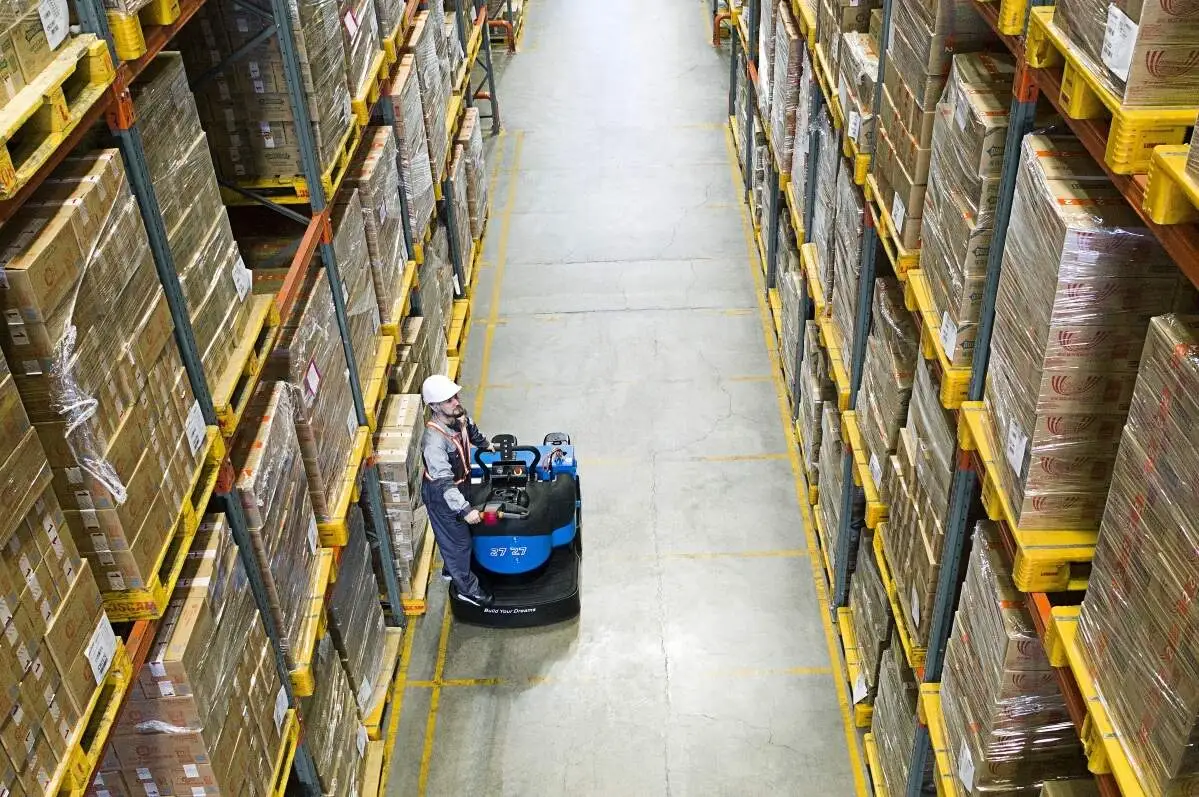
Low-light work zones, such as dimly lit warehouses, nighttime loading docks, and outdoor storage yards after dark, present significant challenges for forklift operators. Poor visibility not only slows down operational efficiency but also increases the risk of collisions with obstacles, infrastructure, or even other workers—hazards that can lead to costly equipment damage, workplace injuries, and operational downtime. In recent years, LED headlights have emerged as a reliable solution to address these visibility concerns, offering a range of benefits that outperform traditional lighting options for forklifts.
One of the key advantages of LED headlights is their ability to produce bright, uniform illumination across wide areas. Unlike conventional halogen bulbs, which emit a narrow, yellowish beam that can leave dark spots in corners or under shelves, LED headlights cast a white, evenly distributed light that enhances object recognition. This improved visibility allows operators to detect small obstacles, uneven floor surfaces, and nearby personnel much earlier, giving them more time to react and adjust their movements. Additionally, LEDs have excellent color rendering capabilities, meaning they accurately show the true colors of objects and safety markers—critical for identifying warning signs, safety tape, and hazardous materials in low-light conditions.
LED headlights also offer exceptional durability and energy efficiency compared to traditional lighting. LEDs have a much longer operational lifespan, often lasting tens of thousands of hours before needing replacement. This reduces the frequency of maintenance tasks, such as bulb changes, which can disrupt workflow and increase operational costs. Furthermore, LEDs consume significantly less power than halogen bulbs, making them ideal for forklifts that operate for extended periods. Lower energy usage not only reduces fuel consumption for internal combustion forklifts but also extends battery life for electric models, allowing operators to complete more tasks without interruptions for recharging or refueling.
Another important feature of LED headlights is their customizable beam design. Many LED systems are engineered to direct light precisely where it is needed—along the forklift’s travel path and towards key areas like the fork tines and surrounding work zone—without creating excessive glare that could blind other workers or operators of nearby machinery. This targeted illumination ensures that operators have clear visibility of their immediate surroundings while minimizing distractions for others in the work area. In contrast, traditional headlights often produce scattered light that wastes energy and can cause visibility issues for adjacent workers, increasing the risk of accidents.
In practical industrial settings, the impact of LED headlights on forklift safety is tangible. For example, in a nighttime warehouse operation where workers are moving between shelves and forklifts are transporting goods, LED headlights illuminate narrow aisles and hidden corners, reducing the likelihood of collisions with pedestrians or stationary equipment. Similarly, in outdoor loading docks during early morning or evening shifts, LED headlights cut through fog and low light, allowing operators to safely maneuver pallets and avoid misalignments that could lead to cargo damage. By improving visibility in these low-light environments, LED headlights not only enhance workplace safety but also boost overall operational efficiency by reducing delays caused by visibility-related errors.