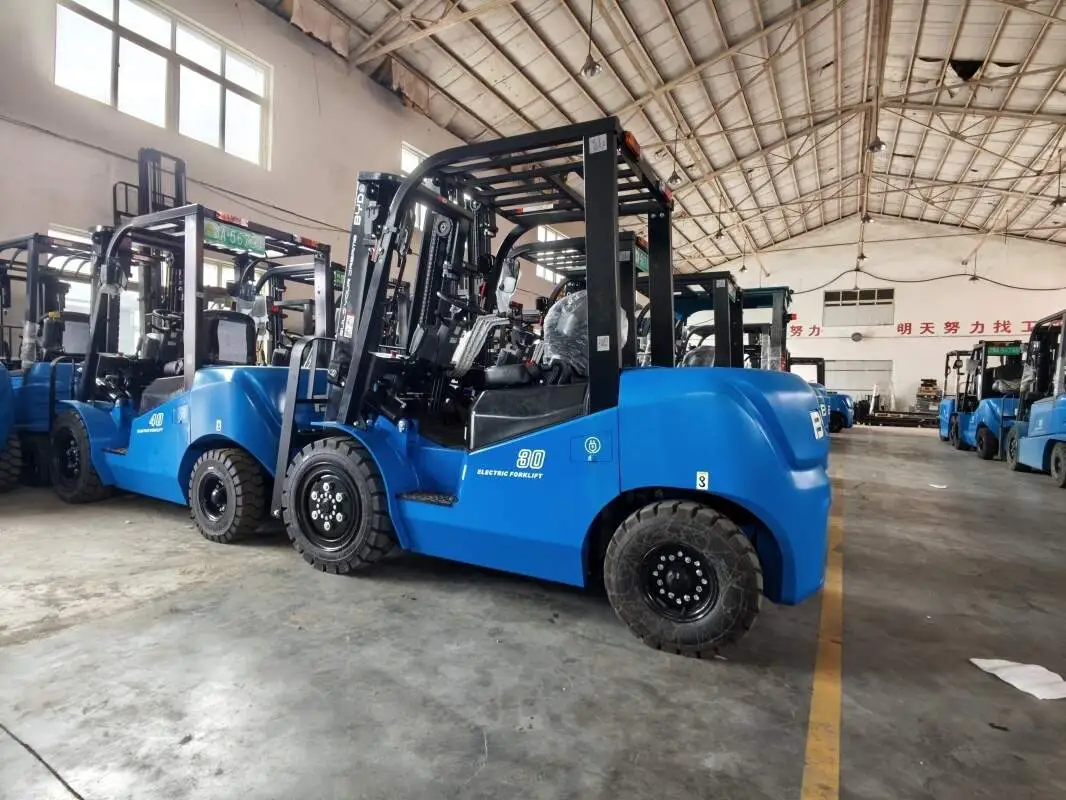
When evaluating the cost of an electric forklift, it’s critical to look beyond the upfront sticker price to understand the full spectrum of expenses that contribute to its total ownership cost. This holistic view helps businesses make financially sound decisions aligned with their operational needs.
The initial purchase price is the most visible component, shaped by several core factors. forklift specifications play a major role: higher load capacities and greater lift heights require more robust components, increasing manufacturing costs and thus the retail price. Battery type also impacts upfront cost—lead-acid batteries are generally less expensive initially, while lithium-ion batteries come with a higher price tag but offer long-term benefits. Additionally, optional features like advanced safety systems, ergonomic operator cabins, or specialized attachments can add to the base cost, depending on the unique requirements of the work environment.
Operational expenses form a significant portion of the total cost over the forklift’s lifespan. Maintenance is a key consideration: lead-acid batteries need regular watering, cleaning, and replacement every few years, while lithium-ion batteries require minimal upkeep, reducing long-term maintenance costs. Charging costs vary based on local electricity rates and battery efficiency; lithium-ion models often charge faster and use energy more efficiently, cutting down on monthly utility bills. Moreover, energy management practices, such as scheduling charging during off-peak hours, can further lower operational expenses.
Lifecycle value is another critical factor that affects total cost. The expected lifespan of an electric forklift depends on build quality and usage intensity. Forklifts designed for heavy-duty, continuous operation typically have longer lifespans but may come with higher upfront costs. Resale value also contributes—well-maintained forklifts with lithium-ion batteries tend to retain more value over time compared to those with lead-acid batteries, offsetting some of the initial investment.
Hidden costs are often overlooked but can add up significantly. Operator training is essential to ensure safe and efficient use, and investing in proper training reduces the risk of accidents and equipment damage, which can lead to costly repairs and downtime. Downtime itself is a hidden expense: if a forklift breaks down, it disrupts workflow, leading to lost productivity and potential delays in order fulfillment. Choosing a reliable forklift with accessible service support can minimize these risks.
By considering all these factors—initial price, operational expenses, lifecycle value, and hidden costs—businesses can accurately calculate the total purchase cost of an electric forklift and select a model that balances performance, efficiency, and long-term financial viability.