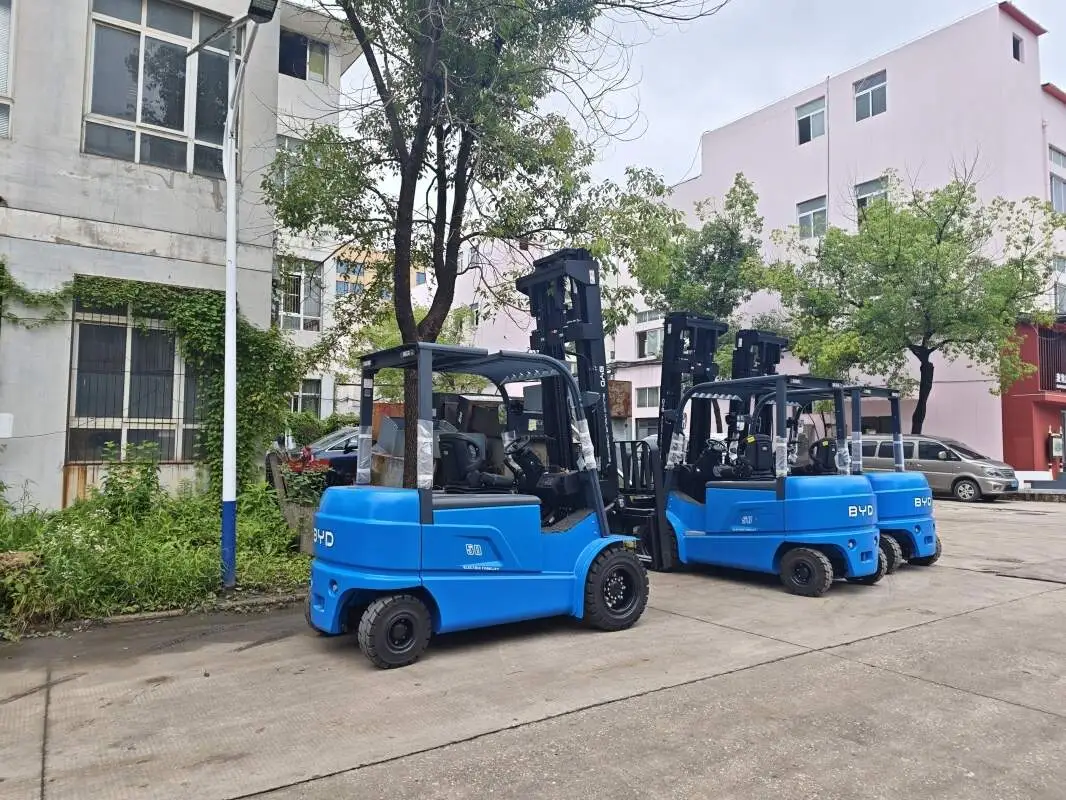
In industrial material handling, forklifts serve as essential workhorses, streamlining load movement across warehouses, manufacturing floors, and distribution centers. However, their standard functionality often limits operations to palletized goods, creating gaps in efficiently handling ferrous metal loads. This is where magnetic attachments step in, transforming forklifts into versatile tools that significantly expand their functional scope.
Magnetic attachments eliminate the need for pallets, straps, or hooks when lifting ferrous materials such as steel plates, iron bars, and scrap metal. By leveraging strong, controlled magnetic force, these attachments securely grip loads, allowing forklift operators to handle irregularly shaped or unpalletized ferrous items with ease. This not only cuts down on load preparation time but also reduces the risk of damage to materials during transport, as there’s no need for manual securing that could scratch or dent surfaces.
Beyond basic lifting tasks, magnetic attachments enable forklifts to perform specialized operations that were previously outside their reach. For example, in metal fabrication facilities, they can efficiently move raw steel sheets between production stations without the need for custom cradles. In scrap yards, they simplify the sorting and stacking of metal waste, making the process faster and more organized. This versatility makes forklifts adaptable to a wider range of industrial environments, enhancing overall operational flexibility.
Safety is another critical advantage of magnetic attachments. Unlike traditional lifting methods that rely on manual fastening, magnetic attachments maintain a consistent grip on loads, minimizing the chance of accidental drops that could lead to workplace injuries or property damage. Additionally, the quick attachment and detachment process reduces downtime between tasks, boosting overall material handling efficiency and productivity.
In essence, magnetic attachments are a cost-effective upgrade that unlocks new capabilities for standard forklifts. By expanding their functional scope to handle ferrous loads securely and efficiently, these attachments help businesses optimize their material handling workflows, reduce labor costs associated with manual load securing, and create a safer working environment for operators.