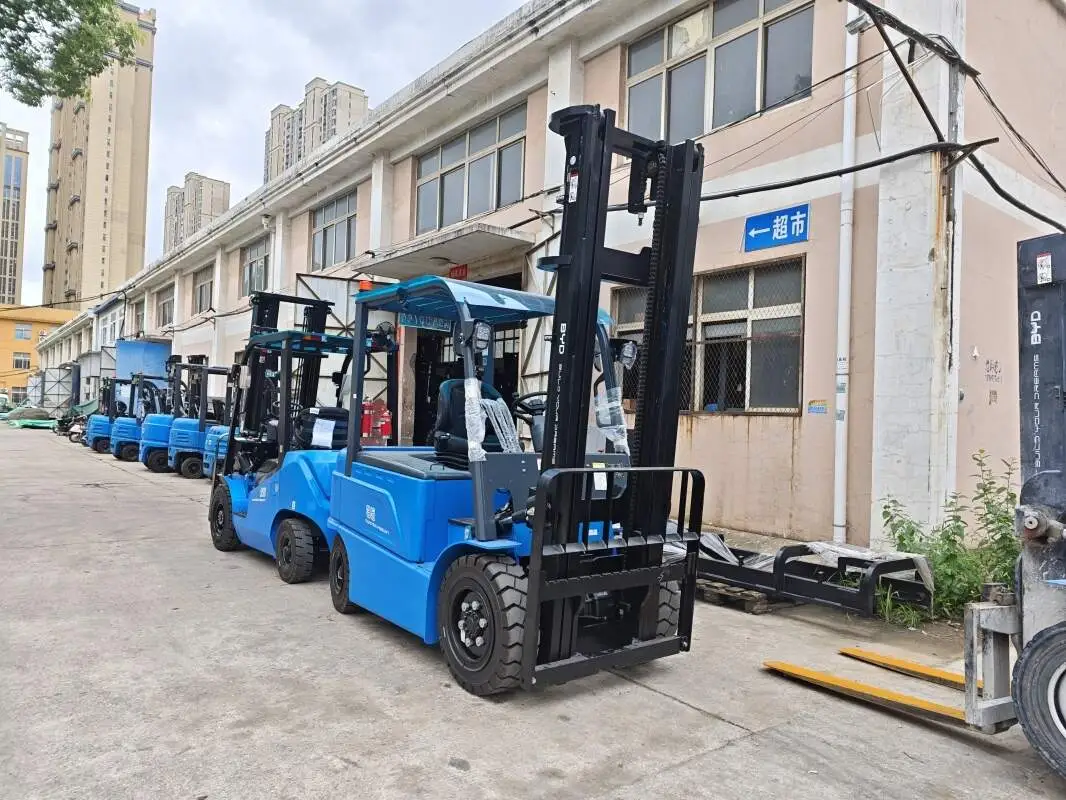
Purchasing a pre-owned electric forklift can be a cost-effective choice for businesses needing reliable material handling equipment. However, evaluating its working condition thoroughly is vital to steer clear of unplanned repair expenses and operational disruptions. Here are structured steps to help you assess a used electric forklift before finalizing your purchase.
Begin with the battery system, the core of an electric forklift. Check the battery’s manufacturing date to estimate its remaining lifespan—most batteries last 5 to 8 years with proper maintenance. Inspect the casing for corrosion, cracks, or leaks, as these signs may point to poor care or internal damage. Use a voltmeter to test voltage under load; consistent low readings could signal declining performance. Request the seller’s charging and maintenance records to understand how the battery was managed over time.
Next, examine mechanical components. Inspect the forklift’s frame for dents, bends, or welds, which might indicate past accidents or overloading. Check tires for uneven wear, a potential sign of alignment issues or improper usage. Test the lifting mechanism by raising and lowering forks repeatedly; listen for unusual noises and ensure smooth operation. Assess steering responsiveness by turning the wheel in both directions to confirm no stiffness or delay.
Then, conduct a detailed electrical system check. Beyond the battery, inspect wiring harnesses for fraying, exposed wires, or loose connections that could cause electrical failures. Turn on the forklift to test the controller and motor; verify dashboard displays accurate readings and warning lights function correctly. Ensure auxiliary components like headlights, horn, and backup alarm work properly, as they are critical for safe operation.
A test drive is essential to evaluate real-world performance. Operate the forklift in an open area to assess acceleration, braking, and maneuverability. Test its load-bearing capacity by lifting a standard weight, checking for stability and consistent power. Note any vibrations, strange noises, or delayed responses, which may hint at underlying issues.
Finally, request comprehensive maintenance and usage history from the seller. Well-documented records indicate regular servicing, reducing the risk of hidden problems. Ask about the previous working environment—indoor use typically causes less wear than outdoor—and whether the forklift was used for heavy-duty tasks consistently.
At Jianshu New Energy, we specialize in electric forklifts and offer professional assessment services to support your informed purchasing decisions. For further guidance, reach out to us at 17399989919@163.com.