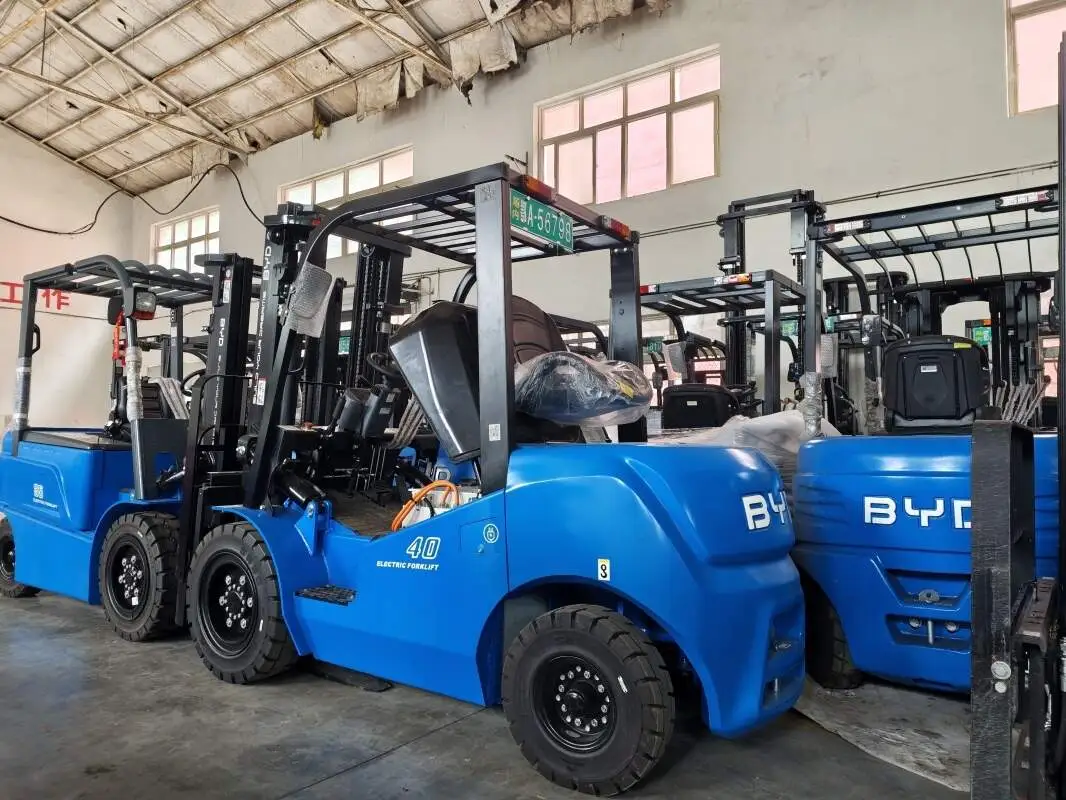
In modern warehousing and logistics operations, electric forklifts play a pivotal role in streamlining material handling tasks. However, their efficient operation relies heavily on well-trained operators with robust safety awareness. Comprehensive safety training is not just a regulatory requirement but a cornerstone of protecting both personnel and assets in the workplace.
Pre-Operation Safety Checks
Before starting any shift, electric forklift operators must conduct a thorough pre-operation inspection to identify potential issues. This includes examining the battery’s charge level and checking for signs of leakage, ensuring braking systems respond smoothly, verifying steering mechanisms function correctly, and inspecting tires for wear or damage. Operators should also test all lights, horns, and warning signals to confirm they are operational. Any abnormalities must be documented and reported immediately; operators should never operate a forklift that fails these checks.
Load Handling Best Practices
Safe load handling is a critical focus of training. Operators must always verify that the load weight does not exceed the forklift’s rated capacity, as overloading can lead to instability or tip-overs. When picking up a load, ensure the fork tines are inserted fully under the pallet, and adjust them to match the load’s width for balanced support. Lift the load slowly to avoid sudden shifts, and keep it at a low height while traveling to maintain stability. Avoid sharp turns or sudden stops when carrying loads, as these actions can cause the load to fall or the forklift to tip.
Workplace Navigation Safety
Navigating the warehouse or worksite safely requires constant vigilance. Operators must adhere to posted speed limits, which are often lower in narrow aisles or areas with high foot traffic. They should use horns and warning lights to alert pedestrians and other equipment operators of their presence, especially when turning corners or entering blind spots. It is crucial to maintain a safe distance from obstacles, walls, and other vehicles, and to slow down on wet or slippery surfaces to prevent skidding. Additionally, operators should never carry passengers on the forklift unless it is equipped with a designated passenger seat.
Emergency Response Protocols
Training must include clear guidance on handling emergency situations. Operators should know how to respond to battery leaks, which require immediate isolation and proper disposal procedures to avoid chemical hazards. In the event of a forklift breakdown or minor collision, operators should safely park the vehicle, turn off the power, and report the incident to a supervisor. They should also be trained in using fire extinguishers appropriate for electrical or battery fires, and know the evacuation routes in case of a major emergency.
Ongoing Training and Refresher Courses
Safety awareness is not a one-time lesson; it requires regular reinforcement. Employers should schedule periodic refresher training sessions to update operators on new safety regulations, workplace changes, or updated forklift features. These sessions also provide an opportunity to address any emerging safety concerns and reinforce best practices.
For businesses seeking reliable electric forklift solutions and professional training support, Jianshu New Energy specializes in BYD electric forklifts. We are committed to helping operators master essential safety skills to ensure secure and efficient operations. For more information, please contact us at 17399989919@163.com.