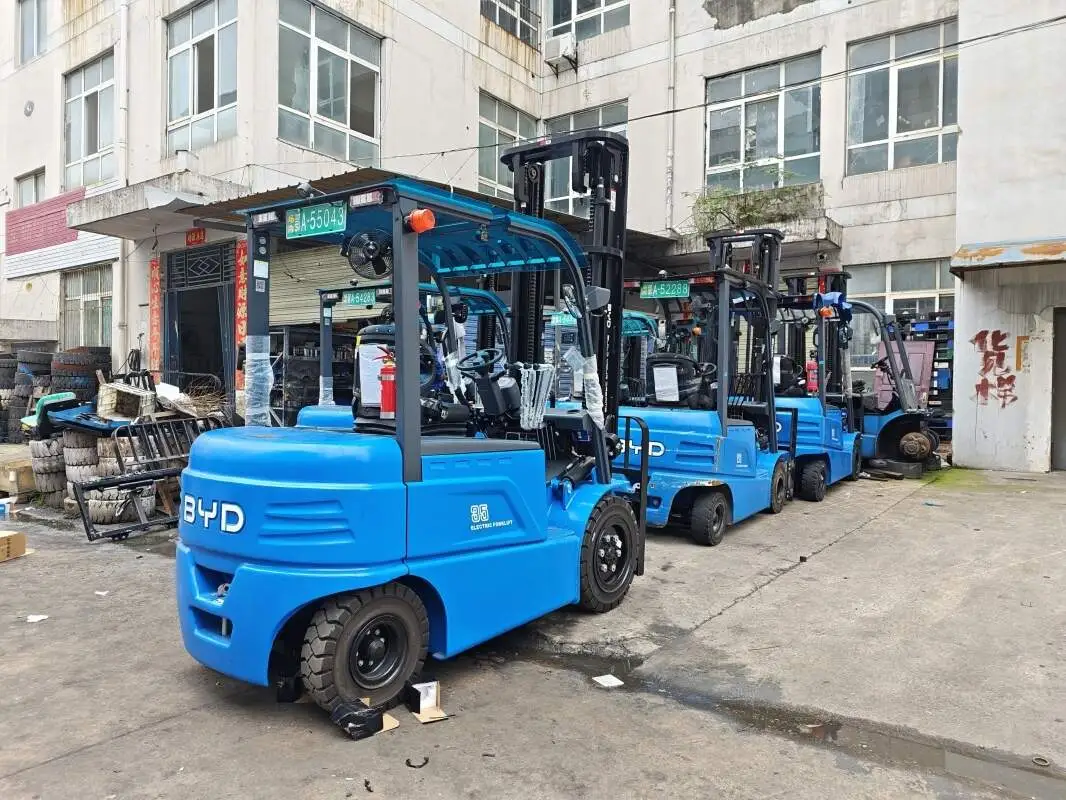
In modern warehousing and logistics operations, electric forklifts have become essential tools for efficient material handling. Selecting the right model tailored to your cargo characteristics is critical to ensuring safety, productivity, and operational cost-effectiveness. Here’s a comprehensive guide to help you make an informed decision based on cargo weight and size.
1. Assessing Cargo Weight Requirements
The first step in selecting an electric forklift is determining the maximum weight of the cargo you need to handle. Electric forklifts are available in a range of load capacities, from compact models designed for light loads to heavy-duty variants for bulky items. For daily operations involving small to medium-sized packages weighing between 1 to 3 tons, a light to medium-capacity electric forklift will suffice, offering maneuverability and energy efficiency in confined spaces. For heavier loads exceeding 5 tons, you’ll need a heavy-duty electric forklift equipped with robust components to handle the weight without compromising stability. It’s important to account for occasional peak loads as well, ensuring the forklift can handle unexpected heavier items safely.
2. Evaluating Cargo Dimensions
Cargo dimensions play a vital role in determining the forklift’s specifications, particularly the fork length and overall maneuverability. If you frequently handle long or wide cargo, such as wooden beams or large pallets, you’ll need a forklift with extended fork lengths to provide adequate support and prevent the cargo from tipping. Additionally, the forklift’s turning radius is a key consideration for narrow warehouse aisles. Compact electric forklifts with a smaller turning radius are ideal for navigating tight spaces when dealing with smaller, more compact cargo. For tall cargo or operations involving high rack storage, opt for an electric forklift with a sufficient lifting height to reach the required shelves safely.
3. Additional Considerations for Optimal Selection
Beyond weight and size, other factors should influence your decision. Consider the operating environment: indoor operations may prioritize noise reduction and zero emissions, while outdoor use may require forklifts with enhanced traction and weather resistance. Battery life is another critical factor—ensure the forklift’s battery can support your daily operating hours without frequent recharging.
At Jianshu New Energy, we specialize in BYD electric forklifts, offering a wide range of models to meet diverse material handling needs. Our team of experts can provide personalized recommendations based on your specific cargo characteristics and operational requirements. For more information or to consult with our professionals, please reach out to us at 17399989919@163.com.