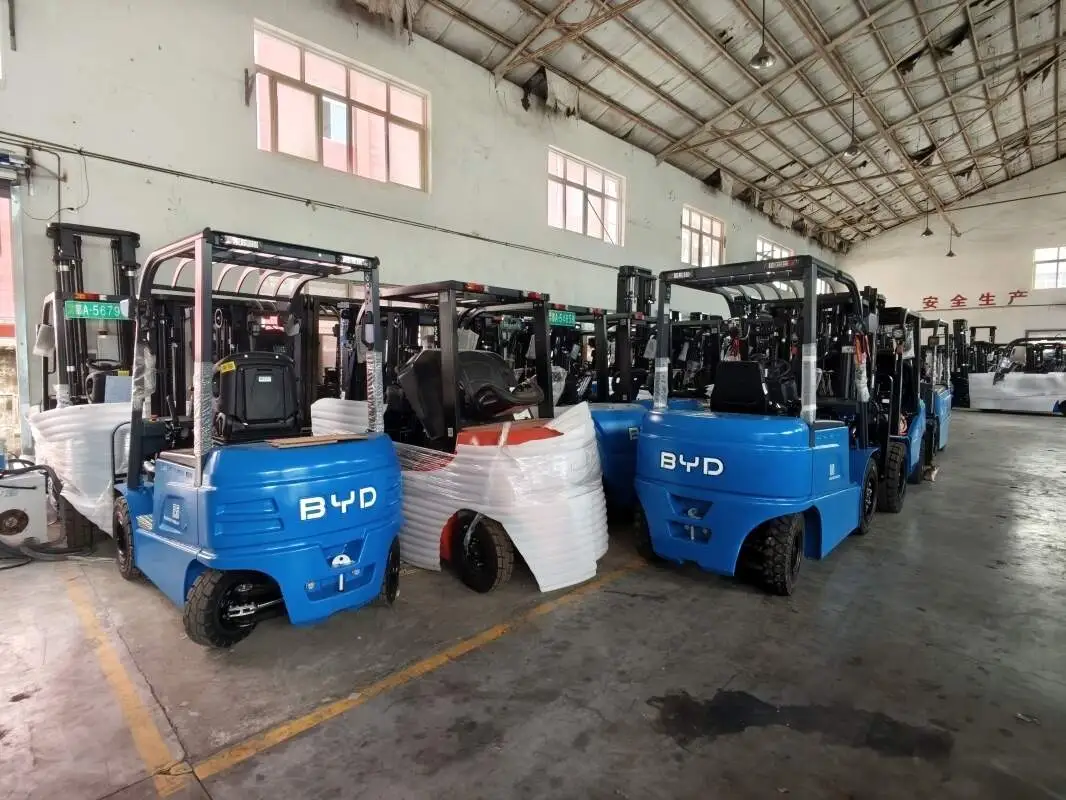
Heavy-load lifting is one of the most common yet high-risk tasks for electric forklifts in industrial and warehouse settings. Even minor oversights during these operations can lead to equipment damage, workplace injuries, or costly downtime. Adhering to strict safety protocols is not only a regulatory requirement but also a critical step to protect personnel and assets. Below are essential safety notes to follow when performing heavy-load lifting tasks with electric forklifts.
Before initiating any heavy-load lifting task, a comprehensive pre-operation inspection is non-negotiable. Start by examining the electric forklift’s battery to ensure it has sufficient charge to handle the load throughout the task; low battery power can cause unexpected shutdowns mid-operation. Inspect the lifting mechanism, including forks, chains, and hydraulic systems, for signs of wear, damage, or leaks—any compromised component can fail under heavy weight. Verify that the forklift’s counterweight is properly installed and matched to the load capacity specified in the operator manual. Additionally, assess the work environment: clear any obstacles from the lifting and travel path, check for uneven ground or slippery surfaces, and ensure adequate lighting in dimly lit areas.
When approaching the load, position the forklift squarely in front of it, keeping a safe distance to avoid collision. Adjust the forks to match the width of the load’s base, ensuring they are fully inserted under the load to provide stable support. Avoid lifting the load higher than necessary; minimal height reduces the risk of tipping, especially when moving. Maintain a slow, steady speed when lifting, lowering, or transporting the load, and avoid sudden acceleration or deceleration. Always keep the load centered on the forks to maintain balance, and never exceed the forklift’s rated load capacity—overloading is a leading cause of forklift accidents.
During the lifting and transportation process, maintain a clear line of sight at all times. If the load obstructs forward visibility, travel in reverse, using the rearview mirror to navigate. Avoid making sharp turns or sudden stops when carrying a heavy load, as this can shift the center of gravity and cause the forklift to tip. Keep a safe distance from other personnel, equipment, and structural elements; designated walkways and operation zones should be strictly respected. Never allow anyone to stand on the forks or ride on the forklift during heavy-load operations, and ensure all personnel in the area are aware of the ongoing task.
Once the heavy-load lifting task is complete, lower the forks to the ground and engage the parking brake. Turn off the forklift and perform a quick post-operation check to identify any damage or issues that may have occurred during the task, such as bent forks or hydraulic leaks. Report any abnormalities to the maintenance team promptly for inspection and repair. Store the forklift in a designated, secure area away from high-traffic zones to prevent unauthorized use.
For businesses relying on electric forklifts for heavy-load operations, partnering with a trusted provider ensures access to reliable equipment and expert guidance. Jianshu New Energy specializes in BYD electric forklifts, offering not only high-quality vehicles but also comprehensive safety training programs to help operators master proper lifting techniques. If you have questions about electric forklift safety or need support with your equipment, feel free to contact us at 17399989919@163.com.