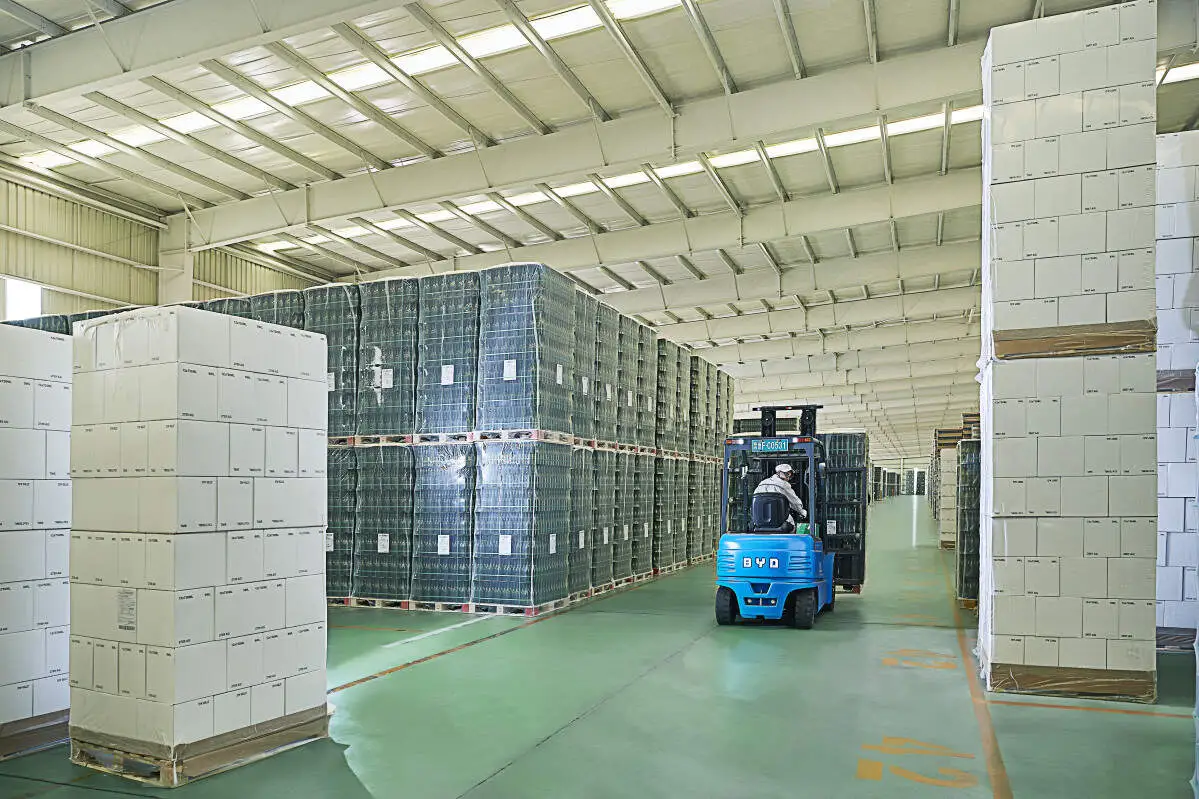
Operating an industrial electric forklift safely relies heavily on understanding its load capacity limits, and the capacity plate serves as the primary guide for this critical information. Overlooking or misinterpreting the data on this plate can lead to dangerous accidents, equipment damage, and operational disruptions. For operators and facility managers, mastering the art of reading capacity plate data is a fundamental step in maintaining a safe workplace.
First, you need to know where to find the capacity plate on your industrial electric forklift. Typically, it is mounted in a visible, easily accessible location—often on the dashboard, the side of the mast, or near the operator’s compartment. Ensuring the plate is clean and unobstructed is essential, as faded or damaged text can lead to misreading. If you cannot locate the plate or it is illegible, reach out to a professional service provider for assistance.
The capacity plate contains several crucial data points that directly impact safe loading. The rated load capacity is the maximum weight the forklift can safely lift under standard conditions, assuming no additional attachments and a specific load center. The load center refers to the distance from the front face of the forks to the center of gravity of the load; most forklifts use a standard 24-inch load center, but if your load’s center is further out, the rated capacity decreases proportionally, which can cause tipping if ignored.
Some plates also list reduced capacities when the forks are raised to higher levels. As the mast extends, the forklift’s stability decreases, so the maximum safe load becomes lower. Additionally, if your forklift is equipped with attachments like side shifters or clamps, the capacity plate will indicate how these tools affect the load limit, as attachments add weight and alter the load center, reducing overall capacity.
Common misinterpretations can lead to unsafe operations. One frequent mistake is assuming the rated capacity applies to all scenarios—operating on uneven ground, using non-standard attachments, or lifting loads with an off-center gravity point all require adjusting the load weight below the rated capacity. Another error is ignoring the impact of cold weather or battery condition on electric forklift performance, which can compromise stability.
Beyond reading the capacity plate, best practices include inspecting the load to confirm its weight and center of gravity before lifting, distributing the load evenly on the forks, and avoiding overhang whenever possible. Regular maintenance is also key to ensuring the forklift operates at peak performance, as worn components can affect stability.
For businesses relying on industrial electric forklifts, partnering with a trusted provider is essential for safety and efficiency. Jianshu New Energy specializes in BYD electric forklifts, offering expert guidance on equipment operation, maintenance, and safety compliance. If you have questions about capacity plate interpretation or need support for your electric forklift fleet, feel free to contact us at 17399989919@163.com.