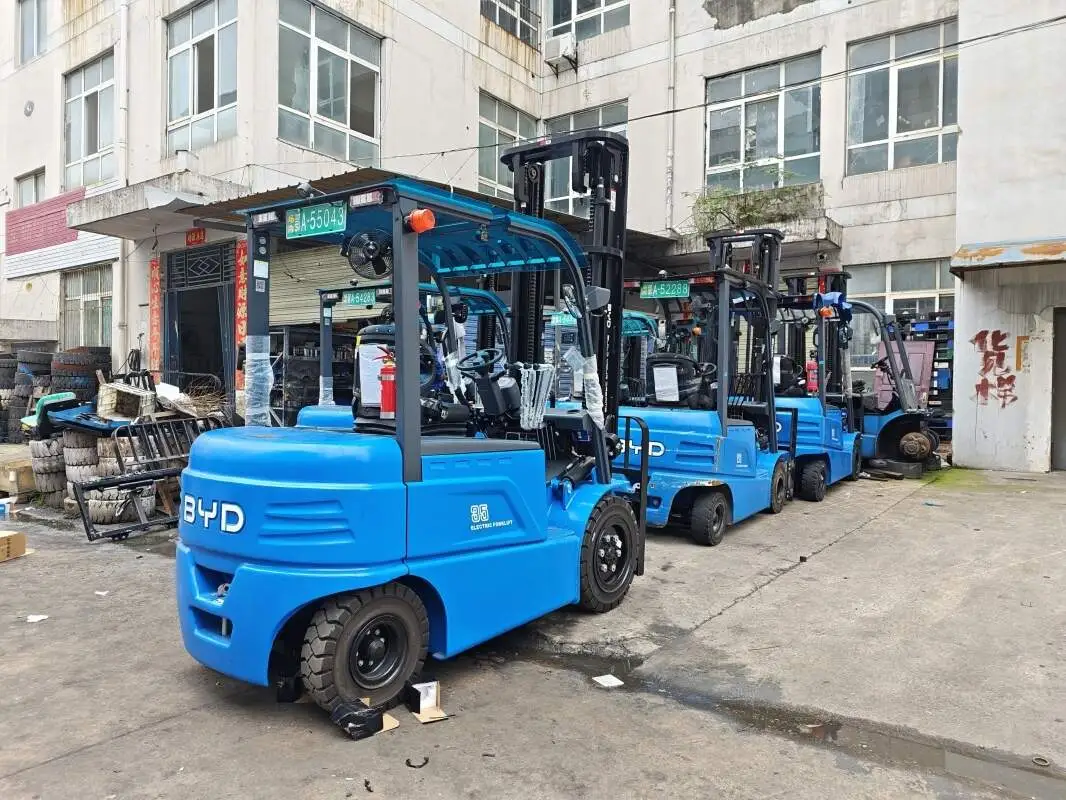
Small-capacity electric forklifts are ideal for indoor warehouses, retail spaces and light-duty material handling tasks, offering cost-effectiveness and eco-friendliness. Opting for a quality second-hand model can deliver significant savings without compromising core performance, but it requires a systematic inspection to avoid hidden issues that could lead to unexpected costs. Below is a practical buying checklist to guide you through the selection process.
Start with a thorough battery health assessment, as the battery is the core of any electric forklift. Inspect the battery casing for cracks, leaks or corrosion on terminals, which can signal poor maintenance. Ask the seller for the battery’s age and charging history—most batteries have a lifespan of 5 to 8 years depending on usage intensity. Test the battery’s charge retention by checking its voltage under light load; a healthy battery should maintain stable voltage during short lifting operations. Avoid units with swollen cells or a history of frequent overcharging, as these indicate reduced capacity and potential early replacement needs.
Next, examine key mechanical components that directly impact safety and functionality. Check the tires for uneven wear, cuts or embedded debris, which can affect traction and maneuverability in tight spaces. Inspect the brake system: test both foot brakes and parking brakes to ensure they engage smoothly and stop the forklift reliably without excessive squealing or delay. Evaluate the steering mechanism for stiffness or excessive play, which could point to worn components requiring repair. Don’t overlook mast components—look for signs of bending, hydraulic leaks or slow lifting/lowering speeds, as these issues can hinder daily material handling efficiency.
A test run is essential to assess real-world performance. Operate the forklift in a safe, open area to test acceleration, turning radius and lifting capacity within its rated limits. Pay attention to any unusual noises from the motor or hydraulic system, which might indicate underlying mechanical problems. Test the forklift’s ability to lift and lower loads at different heights to ensure the mast operates smoothly without jolts. Also, check visibility from the operator’s seat—clear sightlines are crucial for safe operation in busy workspaces with foot traffic.
Request detailed maintenance and service records from the seller. A well-maintained forklift will have regular service entries, including battery inspections, hydraulic fluid checks and component replacements. These records show the previous owner prioritized upkeep, reducing the risk of sudden breakdowns. If records are incomplete or unavailable, consider hiring a qualified technician to conduct a pre-purchase inspection to identify hidden issues that may not be visible during a basic check.
Finally, verify compliance and documentation. Ensure the forklift has all necessary paperwork, including registration documents and valid safety inspection certificates where required. Confirm the unit meets local safety standards, such as working lighting, functional horns and intact safety guards. Non-compliant forklifts can lead to regulatory issues and increased operational liability, so this step should not be skipped.
When searching for a quality second-hand small-capacity electric forklift, following this checklist will help you make an informed, cost-effective decision. For reliable, well-inspected options, turn to Jianshu New Energy, a specialist in BYD electric forklifts. Our team can guide you through the selection process, providing transparent information and support to meet your material handling needs. Reach out to us at 17399989919@163.com for more details.