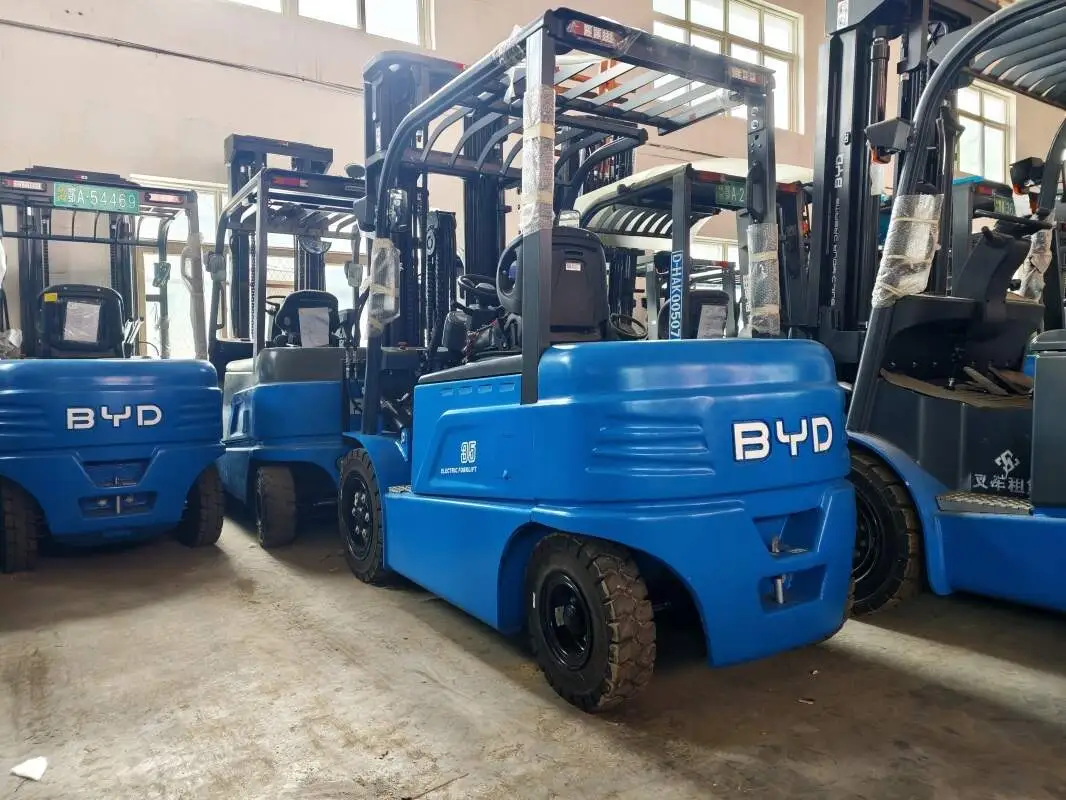
electric forklifts are widely utilized in warehouses, logistics hubs and manufacturing facilities to streamline material handling tasks, yet their daily operation carries inherent safety risks that demand systematic oversight. A standardized risk assessment framework serves as a foundational tool to mitigate accidents, safeguard personnel and assets, and align operations with regulatory safety requirements.
The first core component of the framework is hazard identification, which entails a thorough, routine inspection of the daily operation site and equipment. Inspectors must focus on three critical dimensions: the electric forklift’s condition (battery integrity, braking responsiveness, steering precision), the operational environment (floor traction, obstacle presence, lighting adequacy), and human factors (operator certification status, fatigue levels, adherence to safety protocols). All potential hazards—from minor battery leaks to cluttered aisles or untrained operators—should be documented in detail to form the basis of subsequent risk analysis.
Following hazard identification comes risk evaluation, a step that prioritizes risks by assessing their likelihood of occurrence and potential severity. A structured scoring system can be employed to rank risks: high-priority risks, such as an uncertified operator maneuvering a faulty forklift in a crowded workspace, require immediate intervention, while low-priority risks like minor surface scuffs on floors can be addressed during scheduled maintenance. This evaluation should incorporate input from frontline operators, safety managers and maintenance teams to ensure a comprehensive, accurate assessment.
Once risks are ranked, targeted risk control measures are implemented across three tiers: elimination, substitution, and administrative/engineering controls. For example, eliminating a hazard might involve clearing obstructed operation paths; substitution could mean replacing slippery flooring with non-slip alternatives; engineering controls include installing proximity warning devices on forklifts; and administrative controls involve regular operator training workshops and shift rotations to reduce fatigue. All measures must be practical, compliant with industry safety standards, and tailored to the specific operational context.
The framework concludes with a continuous improvement phase, ensuring long-term effectiveness. Regular audits should be conducted to review the performance of control measures, update hazard lists as workplace conditions evolve, and deliver refresher training to operators. Frontline staff feedback is particularly valuable, as they possess firsthand insight into daily operational challenges. This iterative approach ensures the risk assessment framework adapts to changing needs and maintains its role as a critical safety management tool.
As a specialist in BYD electric forklifts, Jianshu New Energy is dedicated to supporting businesses in establishing and executing this standardized risk assessment framework. Our team offers expert guidance covering every stage of electric forklift safety management, from initial hazard mapping to ongoing improvement strategies. For further information or professional assistance, please reach out to us at 17399989919@163.com.