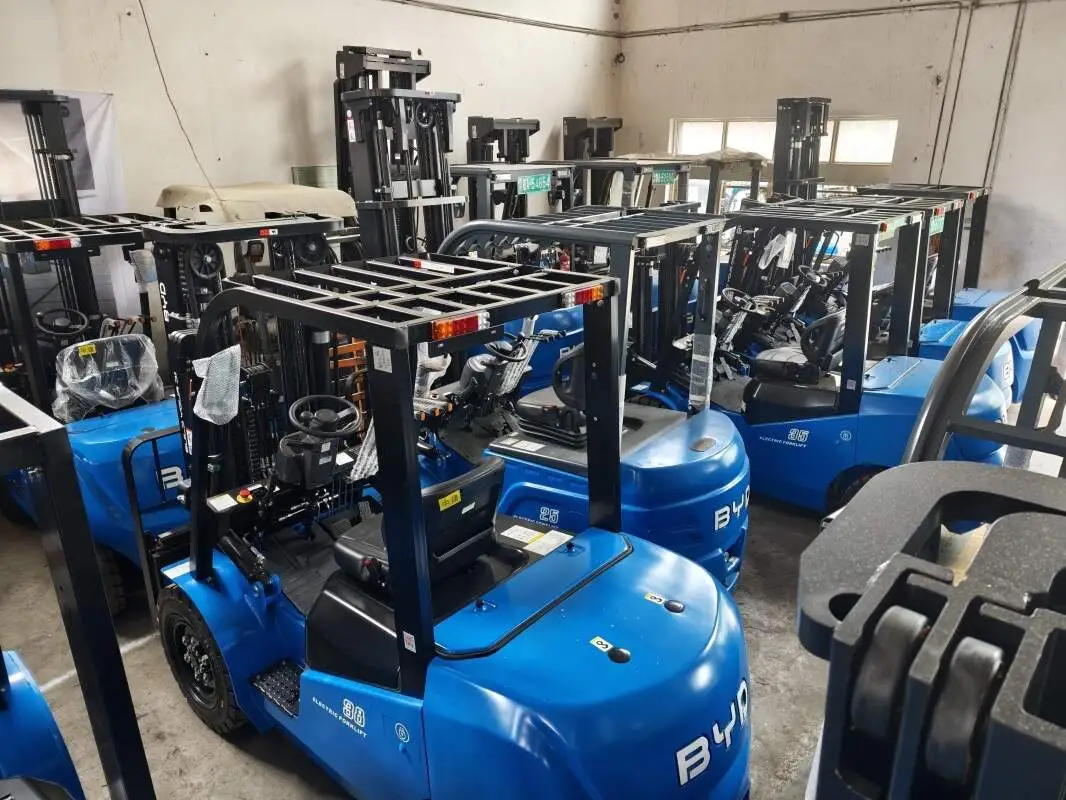
Industrial electric forklifts operate in demanding environments, from busy warehouse floors to outdoor loading yards, exposing them to constant wear, moisture, chemical spills and UV rays. Over time, this can lead to paint chipping, corrosion and reduced structural integrity, making professional fleet refinish a critical maintenance task. Choosing the right coatings and protective paints is key to extending their service life, maintaining aesthetic appeal and ensuring operational reliability.
Before selecting any coating, start by assessing the operating environment of your forklift fleet. For indoor forklifts used in dry warehouses, focus on coatings with high resistance to scuffs and minor impacts, as frequent contact with pallets and racking is common. Outdoor forklifts, on the other hand, require paints that offer robust UV protection and corrosion resistance to withstand rain, snow and fluctuating temperatures. Forklifts used in chemical or food processing facilities need coatings that are chemical-resistant and comply with hygiene standards to prevent contamination.
Next, evaluate core coating performance attributes. Adhesion is fundamental—paints that bond poorly to the forklift’s metal surface will peel or chip quickly, leaving underlying metal exposed to damage. Look for coatings with strong adhesion properties that can adhere to properly prepared steel or aluminum surfaces. Wear resistance is another key factor; opt for paints that can withstand repeated friction from loading tasks and rough surfaces without losing their protective layer. Corrosion resistance is non-negotiable, especially for forklifts exposed to humidity or salt-rich environments. Protective paints with anti-corrosive additives create a barrier that prevents moisture and corrosive agents from reaching the metal.
Environmental compliance is also a crucial consideration. Many regions have strict regulations regarding volatile organic compound (VOC) emissions from coatings. Choose low-VOC or zero-VOC paints that meet local environmental standards, reducing your fleet’s ecological footprint while ensuring workplace safety. Additionally, for forklifts used in food-grade environments, select coatings that are certified as food-safe to avoid any risks of product contamination.
When planning a fleet refinish, consider the coating system as a whole rather than just individual paints. A complete system typically includes a primer, intermediate coat and topcoat, each serving a specific purpose. Primers promote adhesion and provide a base layer of corrosion protection, intermediate coats add thickness and durability, and topcoats offer aesthetic appeal and final protection. Ensure that all components of the coating system are compatible to avoid issues like peeling or cracking post-application. Also, factor in drying time and application conditions—some coatings require specific temperatures or humidity levels to cure properly, which can affect the efficiency of your refinish project.
Proper coating selection for industrial electric forklift fleet refinish is an investment in long-term performance and cost savings. By taking the time to assess your fleet’s specific needs and choosing high-quality, suitable coatings, you can minimize maintenance costs, extend forklift lifespan and keep your fleet looking professional. For specialized support with your electric forklift fleet maintenance and refinish, contact Jianshu New Energy, a specialist in BYD electric forklifts, at 17399989919@163.com.