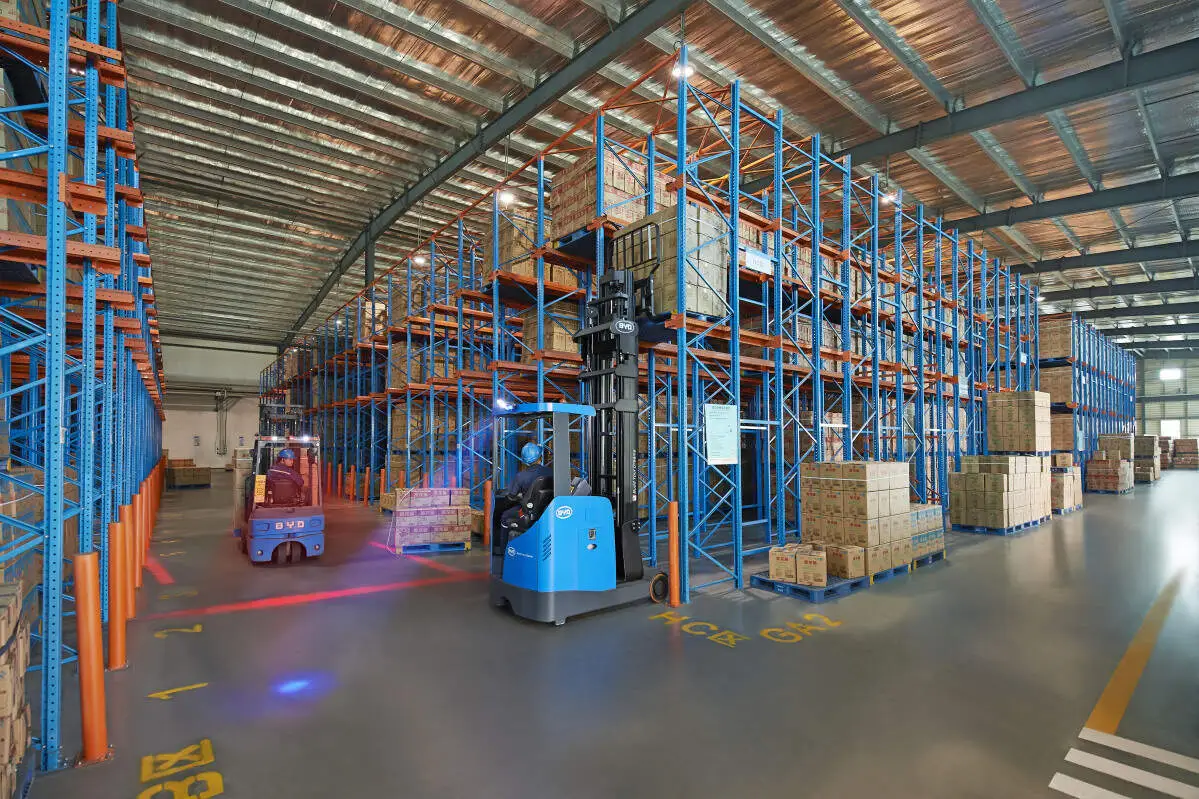
Drum transport tools are critical attachments for industrial forklifts, enabling safe and efficient movement of heavy drum containers across warehouses, manufacturing facilities, and distribution hubs. Correct deployment of these tools not only enhances operational productivity but also mitigates workplace risks like drum spills, structural damage, or operator injuries. This guide outlines a structured approach to deploying drum transport tools, covering key steps from preparation to post-use maintenance.
1. Pre-Deployment Preparation
Before attaching any drum transport tool, conduct thorough inspections of both the industrial forklift and the tool itself. Check the forklift’s hydraulic system for leaks or pressure inconsistencies, ensuring all controls function smoothly. Inspect the drum transport tool for signs of wear, cracks, or loose components—focus on clamps, hinges, and load-bearing parts. Additionally, examine the drum container: verify it is leak-free, structurally intact, and properly sealed. Remove debris or slippery substances from the drum’s surface to prevent slipping during transport.
2. Select the Appropriate Drum Transport Tool
Choose a tool that matches the drum’s size, weight, and material. Clamp-style tools are ideal for heavy steel drums, offering a secure grip around the drum’s body. Fork-mountable sleeve tools work well for lighter plastic or fiber drums, sliding over forklift tines to cradle the drum base. Ensure the tool’s weight capacity exceeds the drum’s total weight, including contents, to avoid overloading. For outdoor use, select tools with corrosion-resistant coatings to withstand moisture and harsh weather conditions.
3. Secure Installation on Forklifts
Position the forklift on a flat, stable surface and engage the parking brake to prevent movement. Align the drum transport tool with the forklift tines, ensuring mounting brackets fit securely over the tines. Slide the tool into place until it locks—refer to the tool’s manual for specific locking mechanisms like pins or latches. Once installed, lift the tool a few inches off the ground and shake it gently to confirm firm attachment. Double-check for wobble or shifting before loading a drum.
4. Safe Operation and Deployment
Approach the drum slowly, keeping the forklift aligned with the drum’s centerline. Lower the tool to the correct height: for clamp-style tools, position clamps around the drum’s midsection; for sleeve tools, align the sleeve with the drum’s base. Activate the clamping mechanism (if applicable) to secure the drum tightly. Lift the drum to a height that clears obstacles but remains low enough to maintain stability—avoid unnecessary high lifts. When moving, travel at a steady, moderate speed, avoiding sharp turns or sudden stops. When positioning the drum, lower it slowly onto a flat, level surface before releasing the clamp or sleeve.
5. Post-Use Inspection and Maintenance
After each use, inspect the drum transport tool for damage incurred during operation. Clean off debris, spills, or dirt to prevent corrosion. Lubricate moving parts like hinges and clamps regularly to ensure smooth functionality. Store the tool in a dry, covered area to protect it from environmental damage. Schedule periodic professional inspections to identify hidden wear or structural issues that could compromise safety. Ensure all operators receive proper training on tool deployment, operation, and safety protocols to maintain consistent, safe practices.
By following these systematic steps, businesses can ensure the safe and effective deployment of drum transport tools on industrial forklifts, reducing operational risks and enhancing overall material handling productivity.