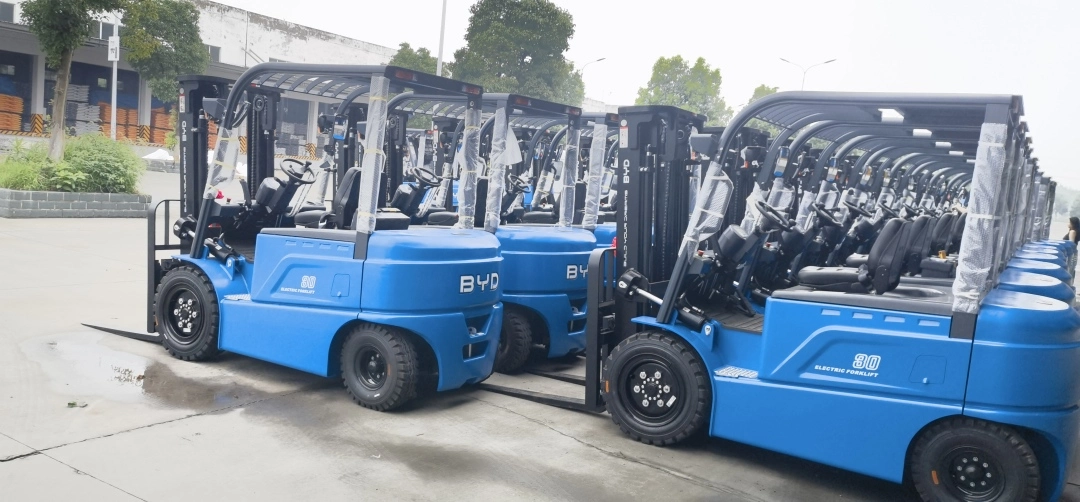
Maintaining a well-functioning electric forklift fleet is critical for minimizing downtime, ensuring workplace safety, and extending the lifespan of your equipment. Without a structured regular maintenance schedule, even the most reliable electric forklifts can experience unexpected breakdowns that disrupt operations and increase long-term costs. Below is a comprehensive, step-by-step guide to help you establish an effective maintenance plan tailored to your fleet’s needs.
1. Assess Your Fleet’s Specific Usage and Operating Conditions
Before drafting a maintenance schedule, it’s essential to gather data on how your electric forklifts are used. Consider factors such as daily operating hours, the type of terrain or environment they operate in (e.g., indoor warehouses with smooth floors vs. outdoor yards with uneven surfaces), and the frequency of heavy-load tasks. For instance, forklifts used 8+ hours daily in harsh outdoor conditions will require more frequent inspections than those used part-time in controlled indoor settings. This assessment lays the foundation for a schedule that addresses your fleet’s unique wear and tear patterns.
2. Identify Core Maintenance Tasks
Every electric forklift has key components that need regular checks and servicing. These include:
- Battery system: Inspect battery connections for corrosion, check electrolyte levels (if applicable), and ensure proper charging cycles to prevent premature battery failure.
- Brake system: Test brake responsiveness, check brake pad thickness, and ensure hydraulic brake fluid is at the correct level.
- Tire and wheel components: Inspect tire pressure, tread wear, and wheel alignment to maintain stability and maneuverability.
- Hydraulic system: Check for leaks in hoses and seals, verify hydraulic fluid levels, and test lift and tilt functions for smooth operation.
- Electrical systems: Inspect wiring for damage, test lights and horn functionality, and ensure control panels are working correctly.
3. Create a Tiered Maintenance Schedule
Based on your usage assessment and core tasks, structure your schedule into tiered intervals:
- Daily pre-operation checks: Have operators perform quick inspections before each shift, including checking battery status, brake functionality, and tire condition. These checks take 5-10 minutes and help catch minor issues early.
- Weekly maintenance: Conduct more thorough inspections, such as cleaning battery terminals, checking hydraulic fluid levels, and testing all safety features.
- Monthly servicing: Perform deeper checks, including inspecting brake pads, tightening loose bolts, and calibrating control systems.
- Quarterly and annual maintenance: Enlist professional technicians to conduct comprehensive overhauls, including battery capacity testing, hydraulic system flushes, and replacing worn parts like filters.
4. Assign Responsibilities and Maintain Detailed Records
Clarify who is responsible for each maintenance task: operators handle daily checks, while in-house technicians or external service providers manage weekly to annual servicing. Keep detailed records of all maintenance activities, including dates, tasks performed, parts replaced, and any issues identified. These records not only help track fleet health but also assist in warranty claims and compliance with safety regulations.
5. Review and Adjust the Schedule Regularly
A maintenance schedule isn’t a static document. Every 6-12 months, review fleet performance data, including breakdown rates and maintenance costs, to identify areas for adjustment. For example, if you notice frequent battery issues, you may need to adjust charging protocols or increase battery inspection frequency.
For businesses relying on BYD electric forklifts, partnering with a trusted provider can enhance your maintenance efforts. Jianshu New Energy, a specialist in BYD electric forklifts, offers expert guidance on creating customized maintenance schedules tailored to your fleet. Whether you need advice on battery care or professional servicing support, you can reach out to us at 17399989919@163.com to ensure your electric forklift fleet remains in optimal condition.