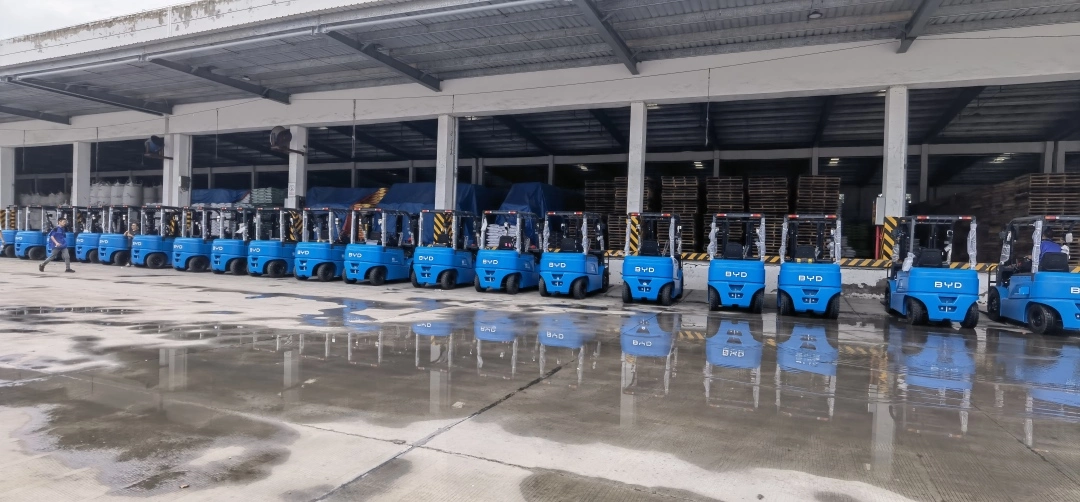
The starter system is a critical component of an electric forklift, as it initiates the power flow needed to get the vehicle operational. When replacing starter components, thorough checks are essential to avoid malfunctions, ensure safety, and extend the lifespan of your forklift. Jianshu New Energy, a specialist in BYD electric forklifts, recommends following these key inspection steps for a smooth replacement process.
1. Pre-Replacement Inspections
Before removing any existing starter parts, start with a comprehensive pre-replacement assessment. First, verify the battery voltage. A low or inconsistent voltage can mimic starter component issues, so use a multimeter to check that the battery meets the manufacturer’s specified voltage range. Next, inspect all electrical connections linked to the starter system. Look for loose wires, corroded terminals, or damaged insulation, as these can cause poor power transfer even with new components. Additionally, carefully examine the old starter components for signs of wear or damage, such as broken gears, burnt contacts, or excessive corrosion. This analysis helps identify the root cause of the failure, preventing repeat issues after replacement.
2. Component Verification Before Installation
Once you’ve removed the old parts, take time to verify the new starter components. Ensure they match the exact specifications of your electric forklift’s model—this includes dimensions, electrical ratings, and mounting points. Even minor discrepancies can lead to improper fit or electrical incompatibility. Inspect the new components for any visible defects, such as cracks in the housing, bent pins, or incomplete wiring. It’s also important to confirm that all accompanying parts, like bolts or connectors, are included and in good condition.
3. During Replacement Checks
As you install the new starter components, pay close attention to several key details. First, ensure all wiring is connected correctly according to the forklift’s service manual. Reversing wires can cause short circuits or damage to the new components. Use the recommended torque specifications when tightening mounting bolts and terminal connections—over-tightening can strip threads or damage components, while under-tightening may lead to loose connections and intermittent issues. Also, make sure no debris or foreign objects are trapped in the starter assembly area, as this can interfere with the starter’s operation.
4. Post-Installation Testing
After completing the replacement, conduct thorough testing to confirm everything works as intended. Start with a basic ignition test: turn on the forklift and check if the starter engages smoothly without unusual noises, such as grinding or clicking. Use a multimeter to monitor the current draw during startup—excessive current may indicate a misalignment or faulty component. Run the forklift for a short period to observe the starter’s performance under normal operating conditions. If any issues arise, immediately shut down the forklift and recheck the connections and component fit.
Proper checks during starter component replacement are vital for maintaining the reliability and safety of your electric forklift. For professional assistance with BYD electric forklift maintenance and component replacement, contact Jianshu New Energy at 17399989919@163.com. Our team of experts can provide guidance and support to ensure your forklift remains in optimal working condition.